Who was Samuel Beckett, and what is this comic about?

Samuel Beckett (1906–1989) was an Irish writer, playwright, novelist, poet, and 1969 Nobel laureate. The Samuel Beckett Society records that in Paris in 1938 he was nearly killed when stabbed by a pimp; Joyce helped during recovery and Suzanne Deschevaux-Dusmesnil, later his life companion, visited him. The Independent details the attack as occurring early on 7 January 1938, with the knife entering his chest and narrowly missing his left lung and heart. NobelPrize.org verifies his birth, death, Nobel citation, Resistance exile, and Waiting for Godot as his most famous work. His worth was radical subtraction: after wound, war, hunger, and exile, he proved that almost nothing onstage could still hold comedy, terror, endurance, and human dignity.

Sources
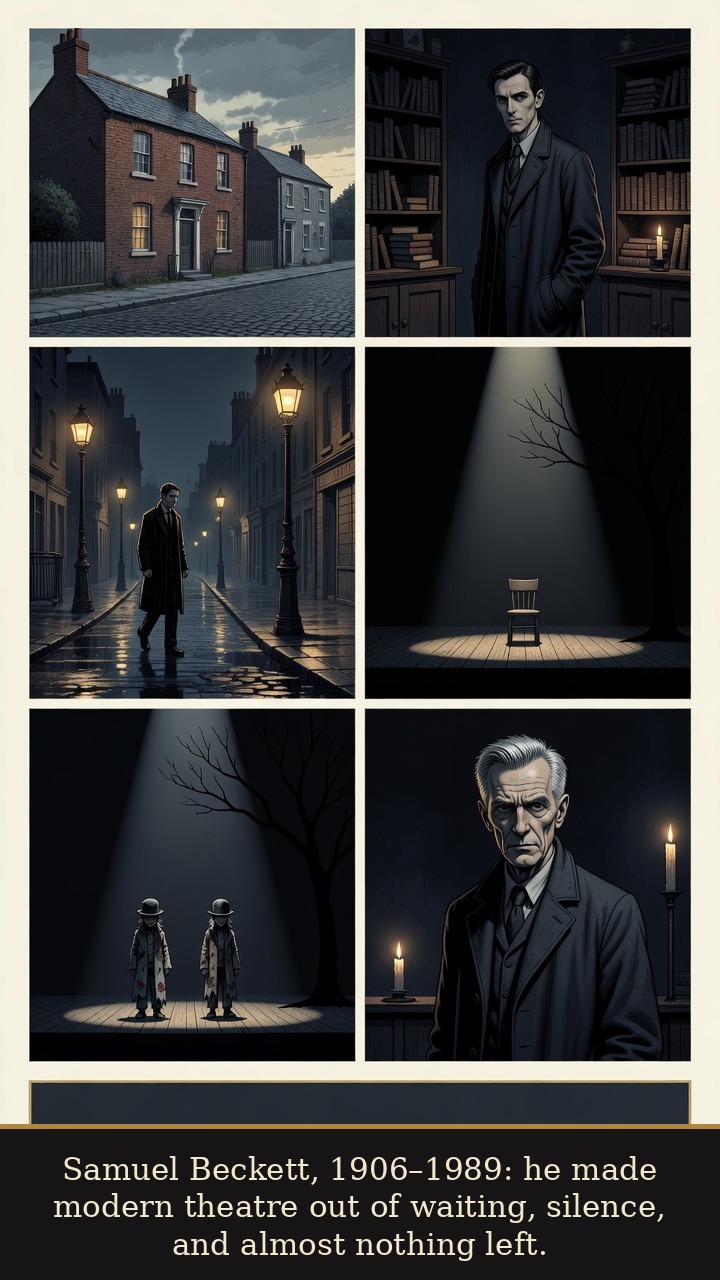
Page 1 of Samuel Beckett: Samuel Beckett: Wound Waiting - Beckett is introduced as the 1906–1989 Irish writer who made waiting, silence, and minimal stage matter into modern theatre.
Beckett is introduced as the 1906–1989 Irish writer who made waiting, silence, and minimal stage matter into modern theatre.
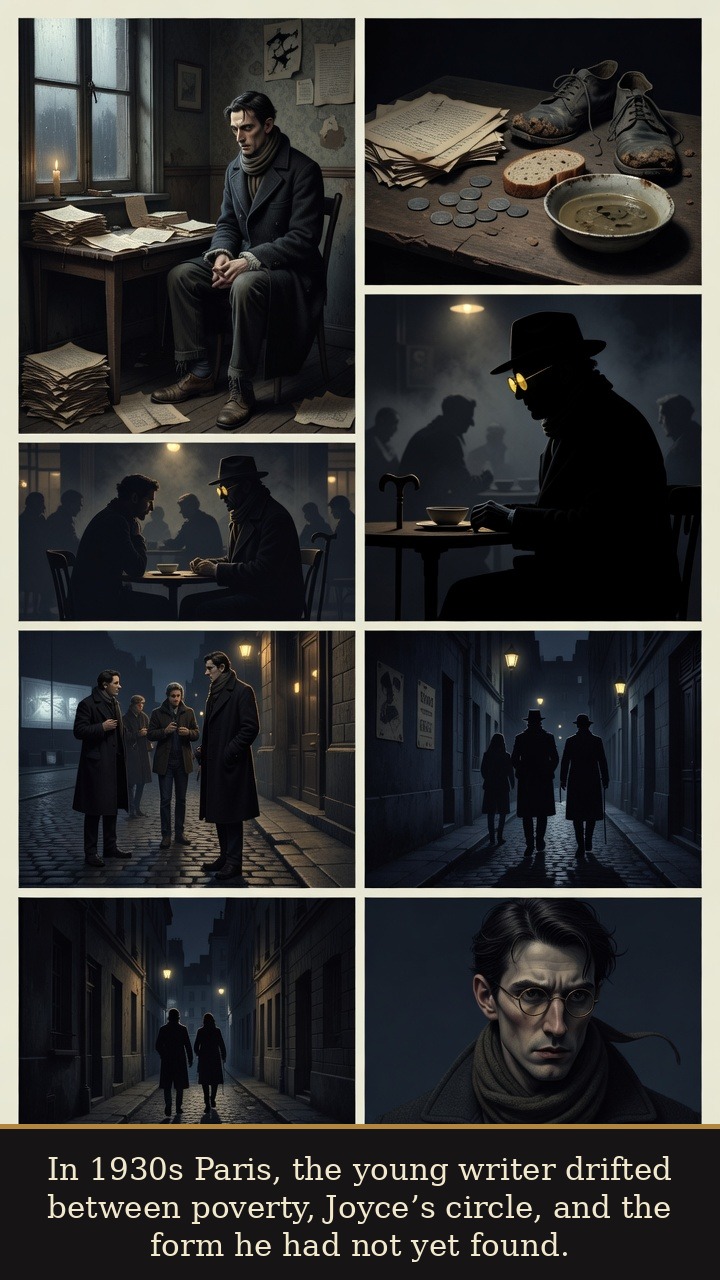
Page 2 of Samuel Beckett: Samuel Beckett: Wound Waiting - In 1930s Paris he lives poor, restless, and near Joyce’s circle, still searching for his form.
In 1930s Paris he lives poor, restless, and near Joyce’s circle, still searching for his form.
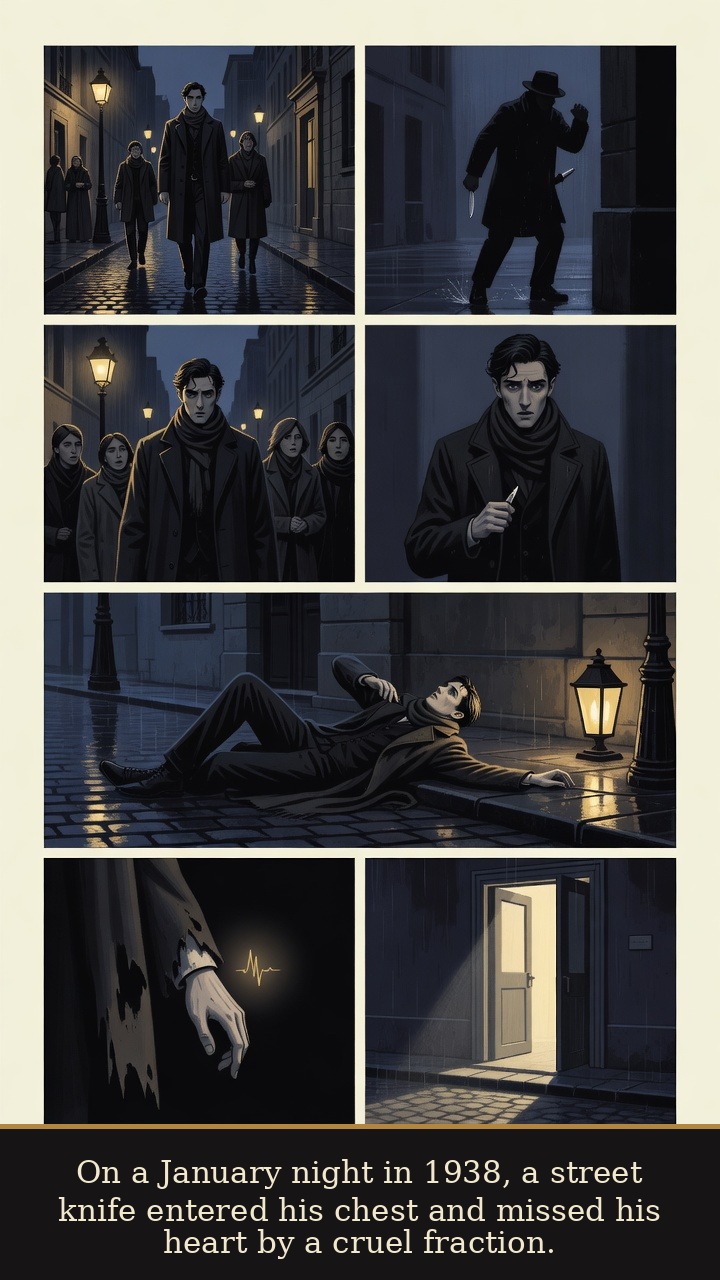
Page 3 of Samuel Beckett: Samuel Beckett: Wound Waiting - A January 1938 street stabbing nearly kills him when a knife enters his chest and misses heart and lung by a sliver.
A January 1938 street stabbing nearly kills him when a knife enters his chest and misses heart and lung by a sliver.
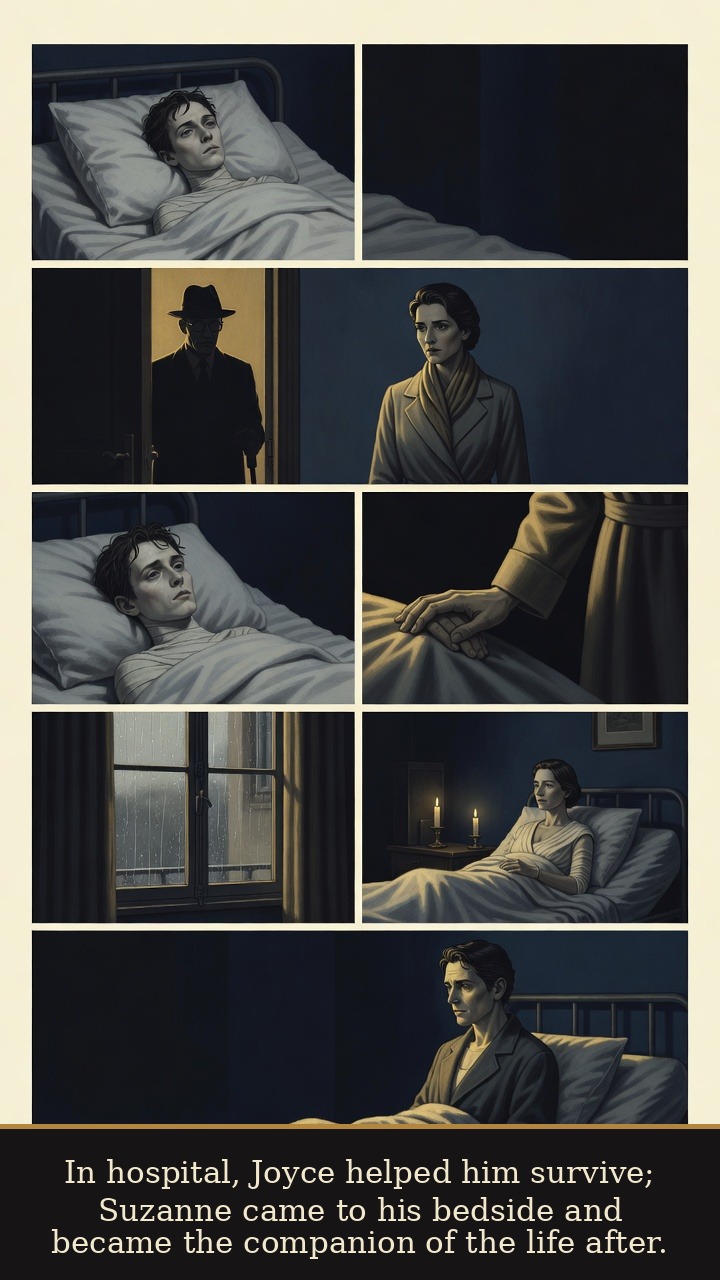
Page 4 of Samuel Beckett: Samuel Beckett: Wound Waiting - Hospital recovery brings Joyce’s help and Suzanne’s care, beginning the life after the wound.
Hospital recovery brings Joyce’s help and Suzanne’s care, beginning the life after the wound.
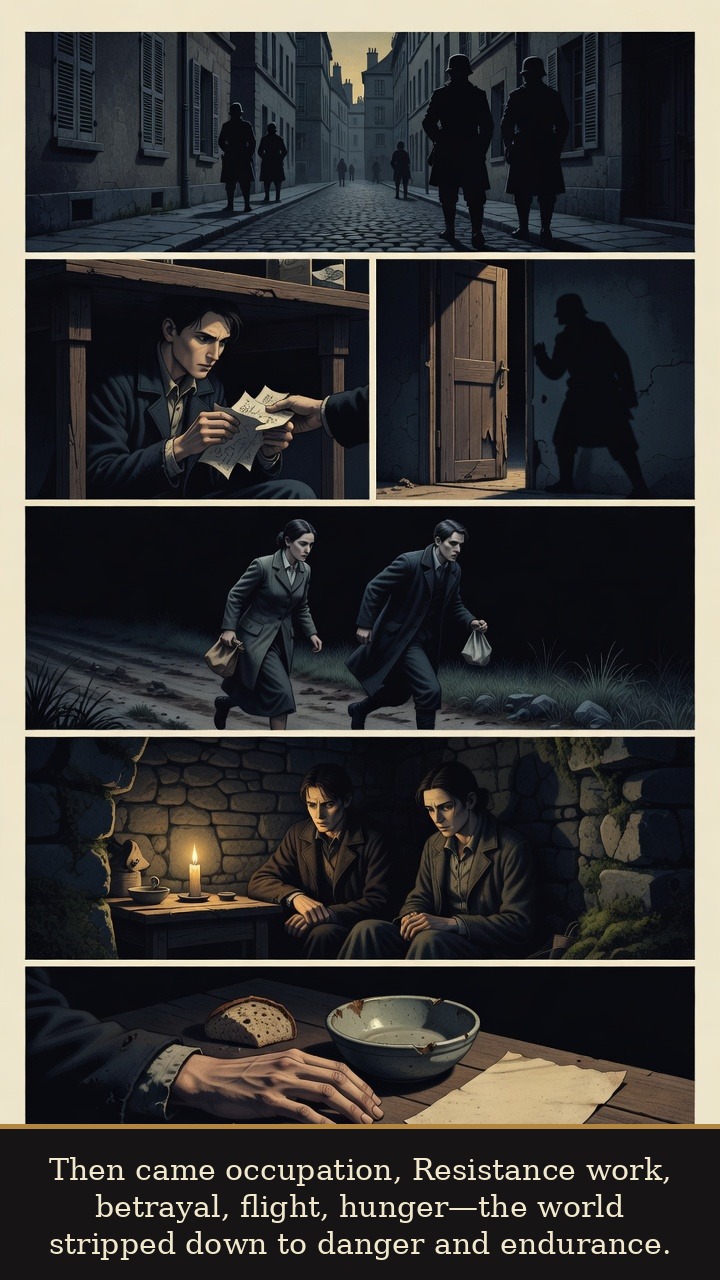
Page 5 of Samuel Beckett: Samuel Beckett: Wound Waiting - Occupation, Resistance work, betrayal, flight, hunger, and exile strip his world down to danger and endurance.
Occupation, Resistance work, betrayal, flight, hunger, and exile strip his world down to danger and endurance.
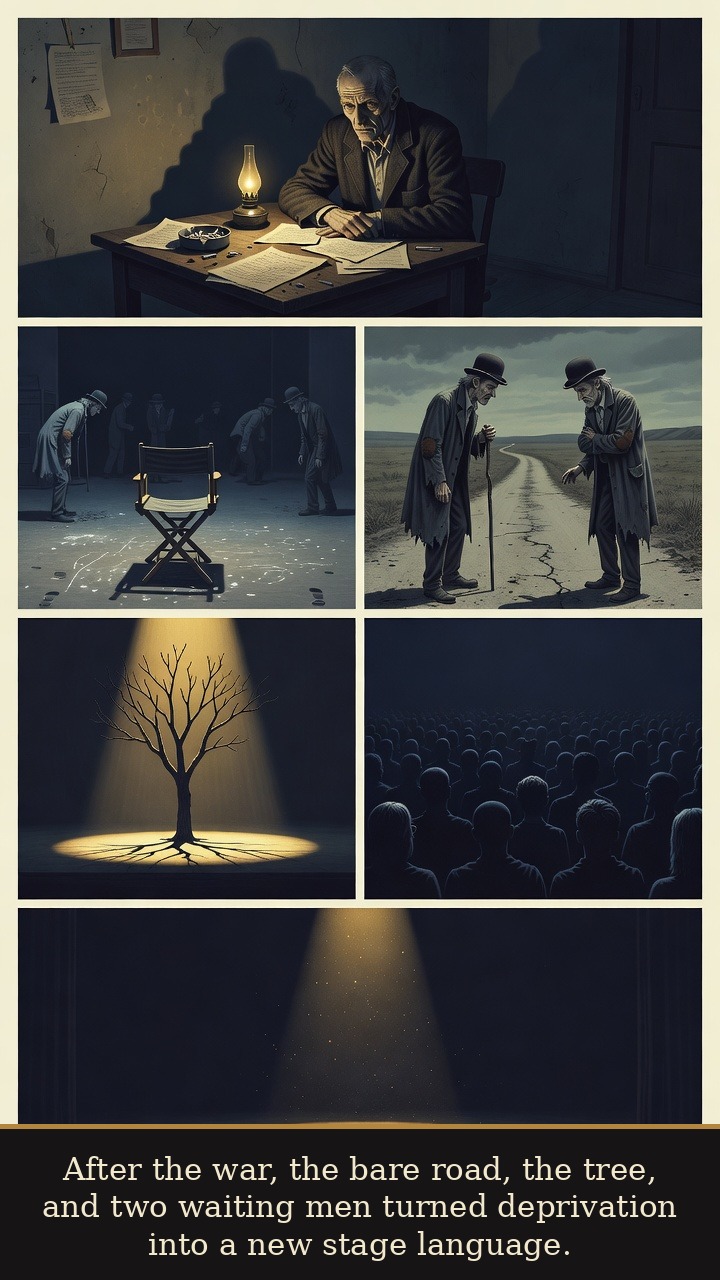
Page 6 of Samuel Beckett: Samuel Beckett: Wound Waiting - After the war, Waiting for Godot turns a bare road, a tree, and two waiting men into a new stage language.
After the war, Waiting for Godot turns a bare road, a tree, and two waiting men into a new stage language.
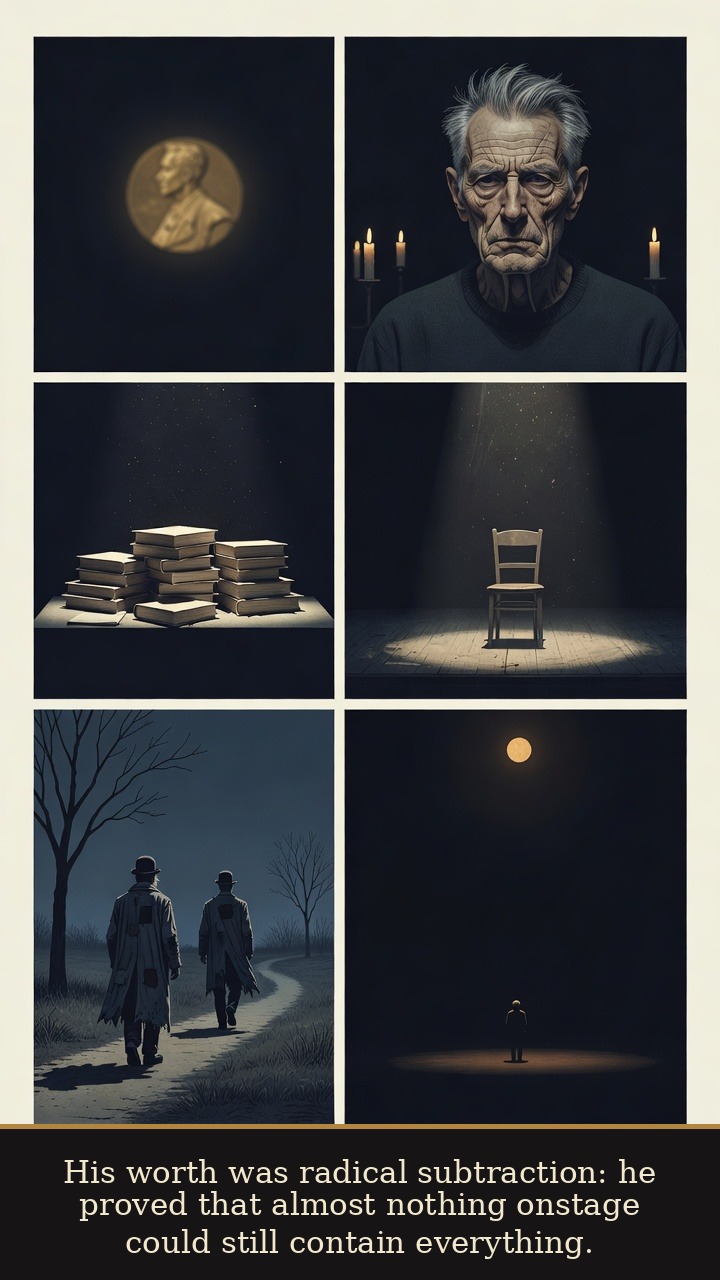
Page 7 of Samuel Beckett: Samuel Beckett: Wound Waiting - The worth page frames Beckett’s Nobel-scale legacy as radical subtraction: almost nothing onstage containing everything.
The worth page frames Beckett’s Nobel-scale legacy as radical subtraction: almost nothing onstage containing everything.