Gene Roddenberry
Before Star Trek imagined crews surviving the unknown together, Gene Roddenberry walked away from war and a burning 1947 desert air crash.
Obituary comics are source-backed visual biographies about people who met death, illness, exile, violence, or loss and made work that outlived them.
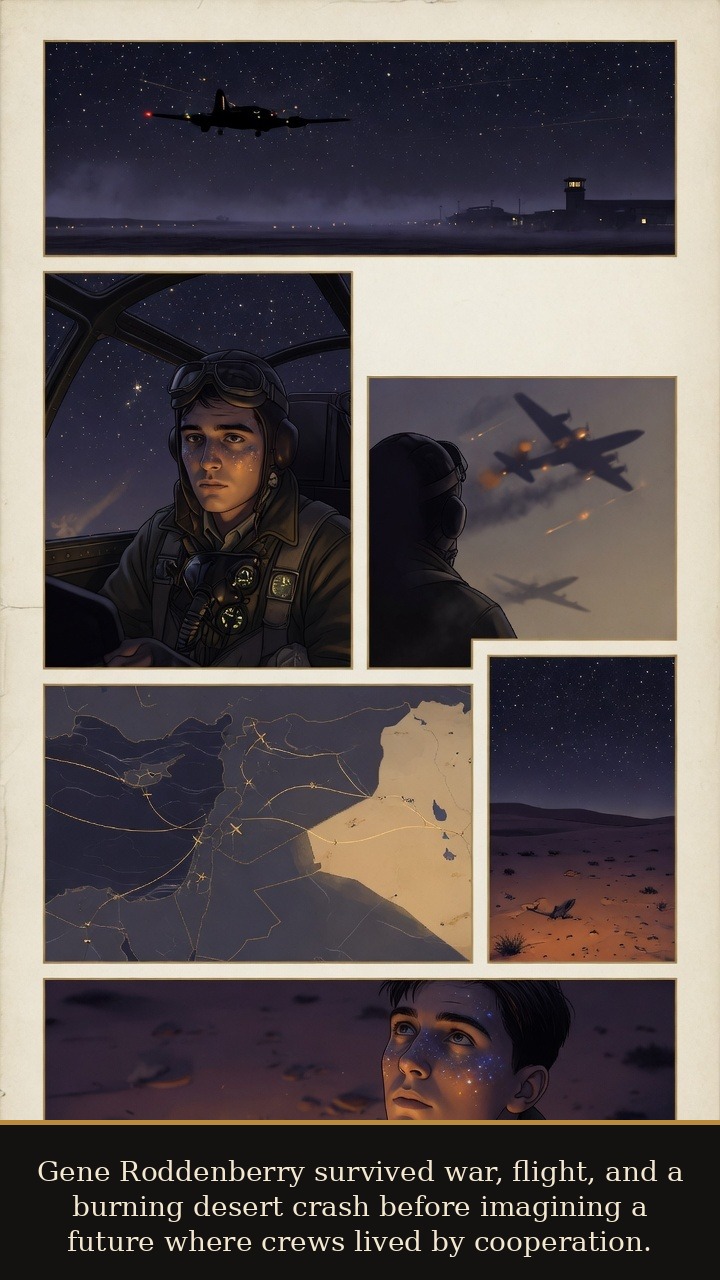
Before Star Trek imagined crews surviving the unknown together, Gene Roddenberry walked away from war and a burning 1947 desert air crash.
Compact comic/PDF cards. Open a reader only when you choose it.
Before Star Trek imagined crews surviving the unknown together, Gene Roddenberry walked away from war and a burning 1947 desert air crash.
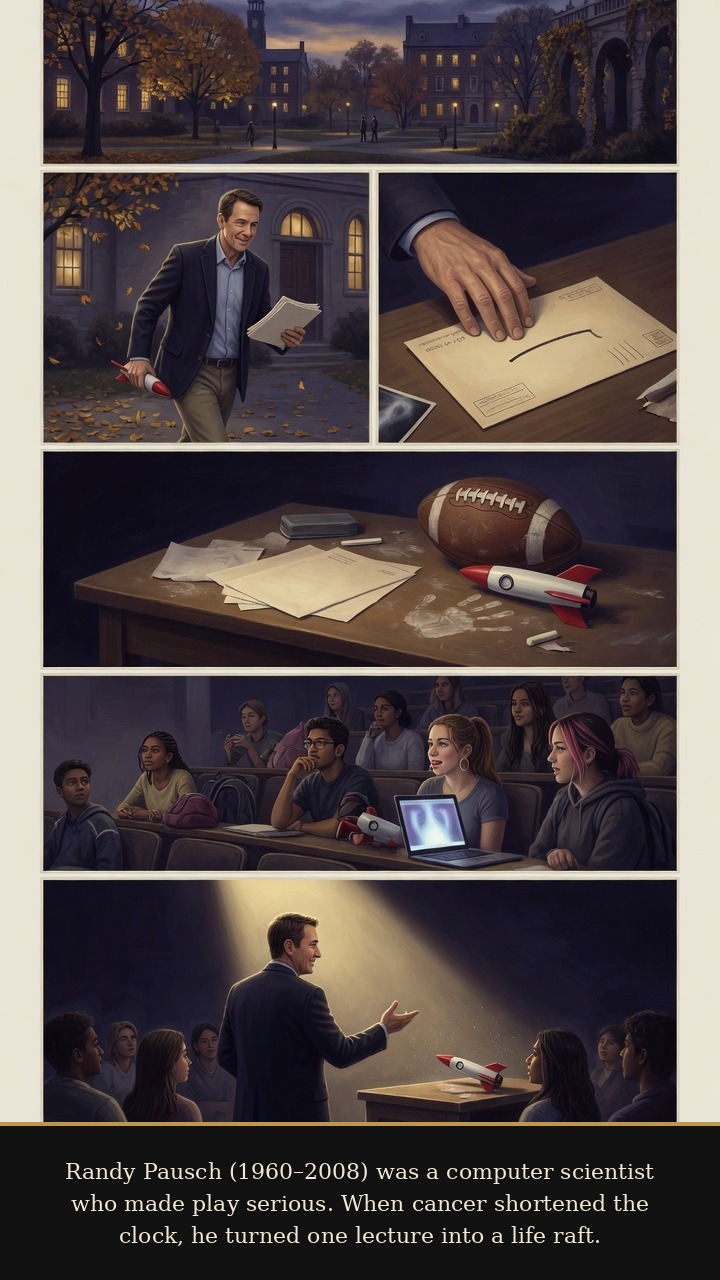
A Carnegie Mellon professor faced pancreatic cancer and turned a terminal deadline into a lecture about childhood dreams, teaching, family, and borrowed time.
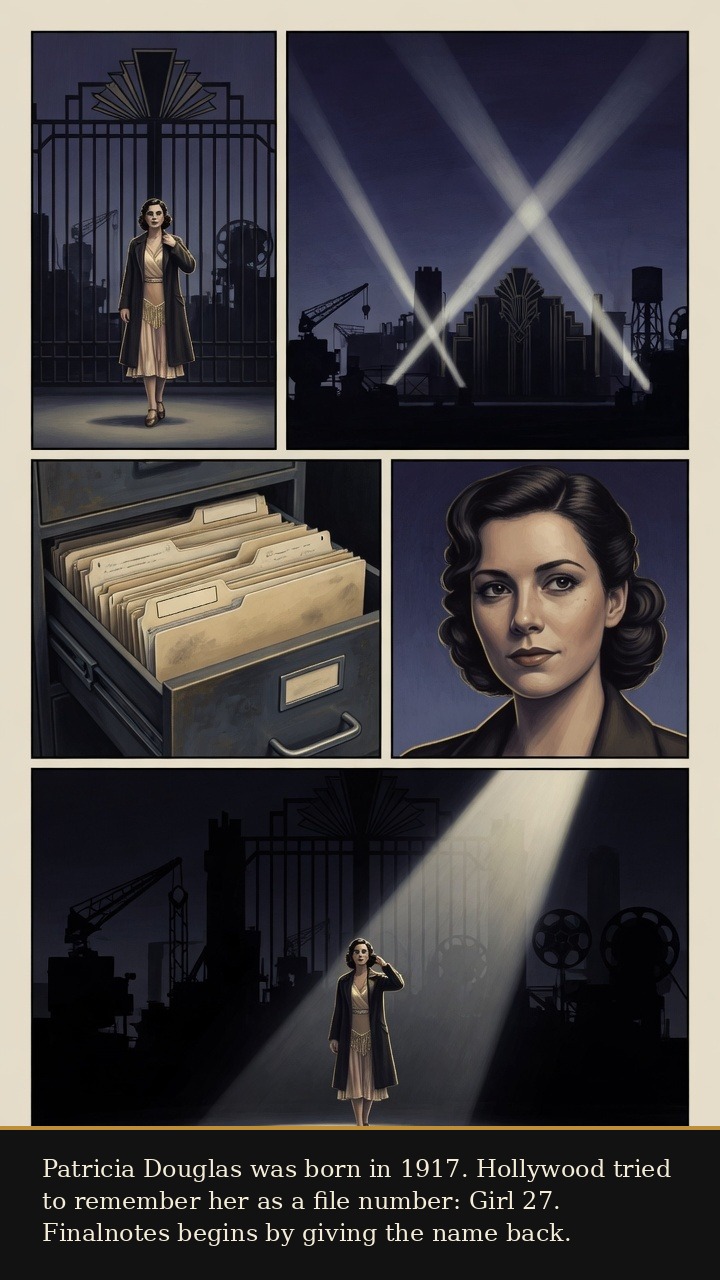
A young dancer challenged MGM after a 1937 assault. Hollywood tried to reduce her to a file number; history had to learn her name again.
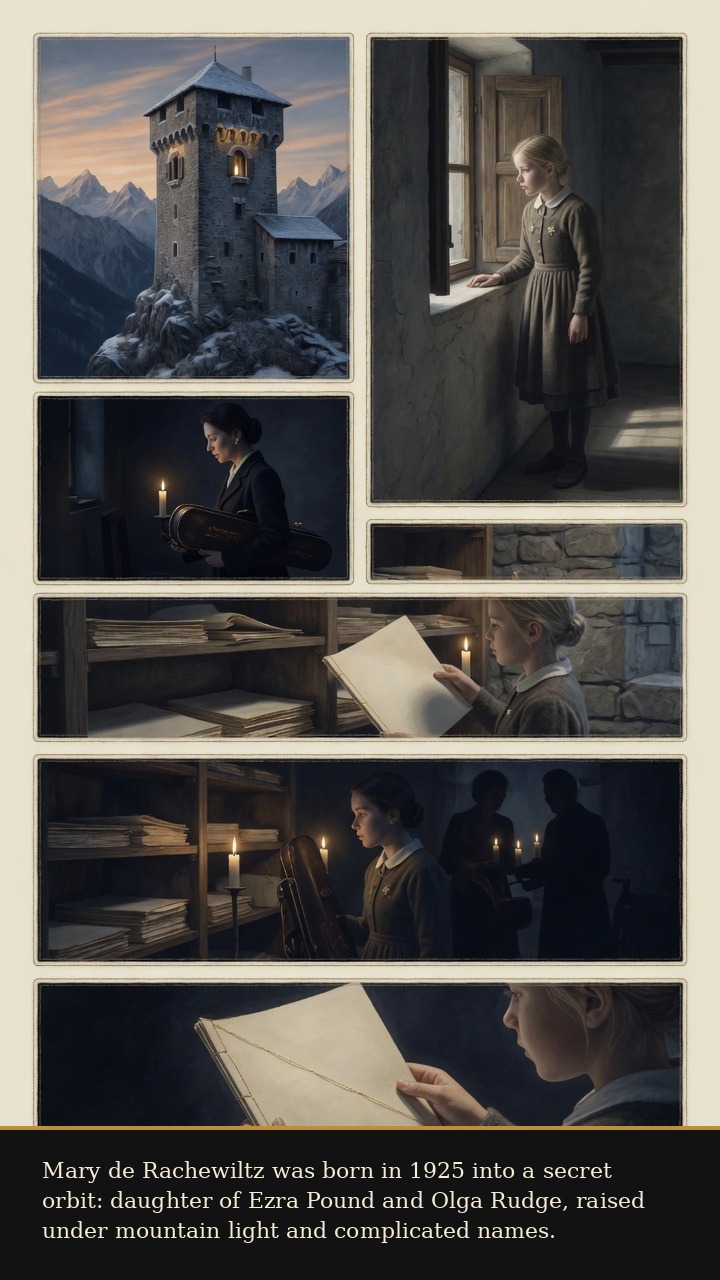
Ezra Pound’s daughter spent a century inside a difficult inheritance: preserving poetry, translating The Cantos, and refusing to make the shadow disappear.
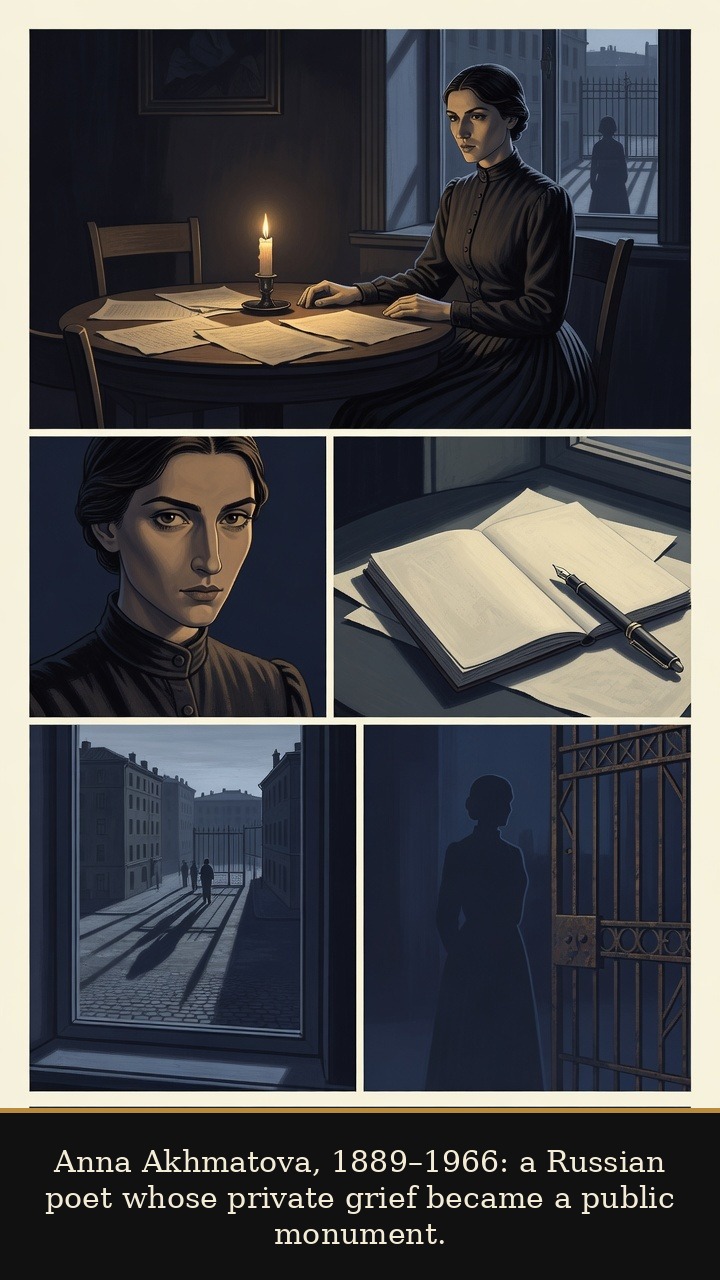
In Stalin’s prison lines, Akhmatova turned a mother’s terror into Requiem — a secret poem carried by memory until history could hear it.
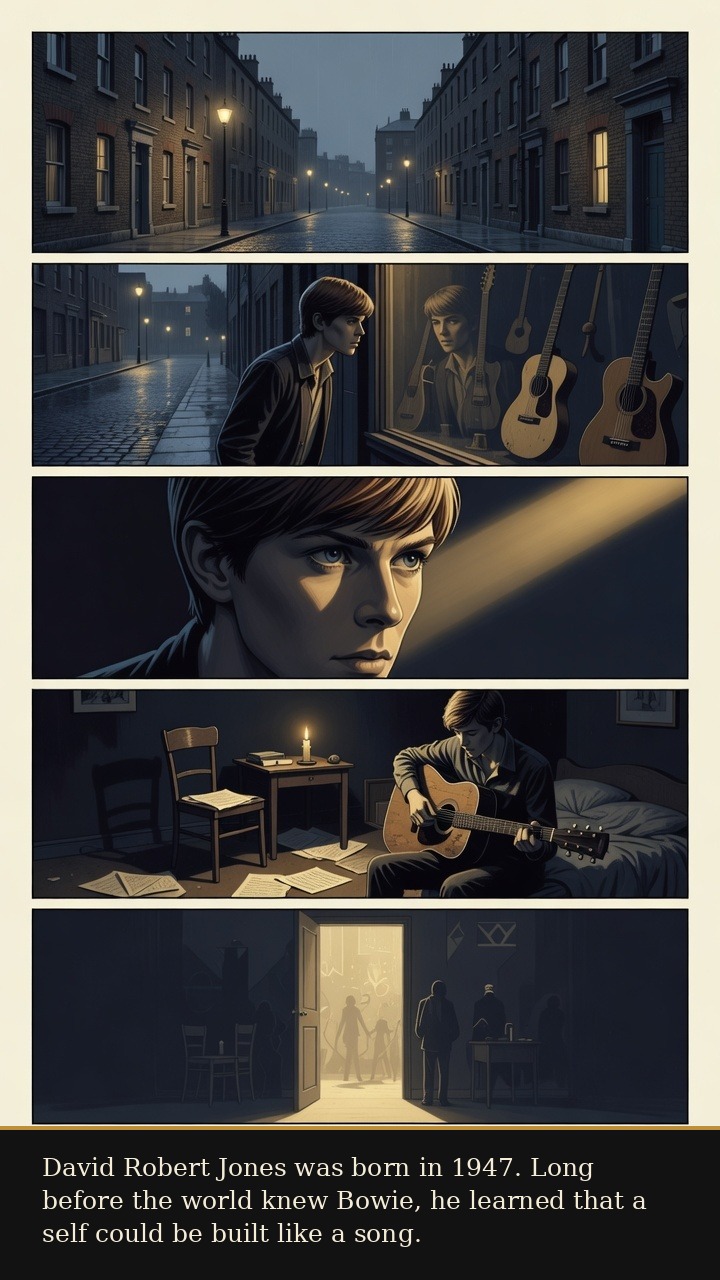
Facing cancer privately, Bowie turned his final album into a controlled farewell — art released on his birthday, two days before death.
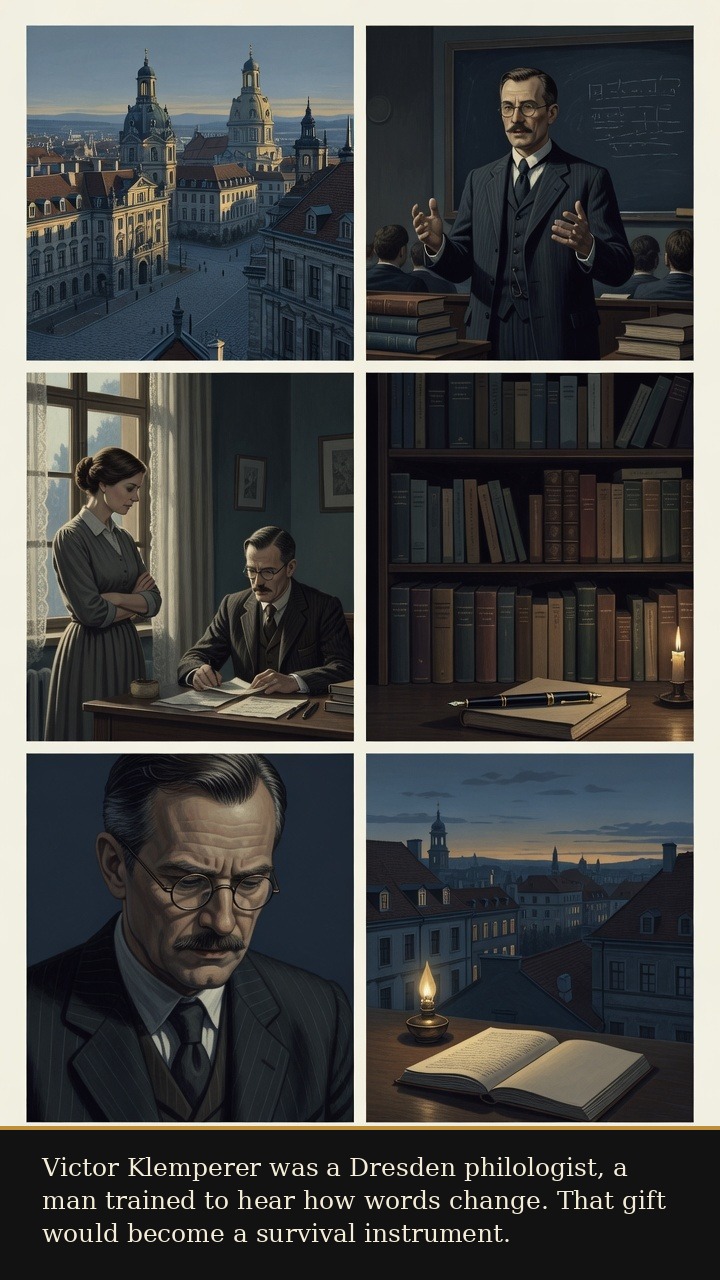
The Dresden philologist who survived Nazi persecution and firestorm, leaving diaries that caught tyranny entering daily life one poisoned word at a time.
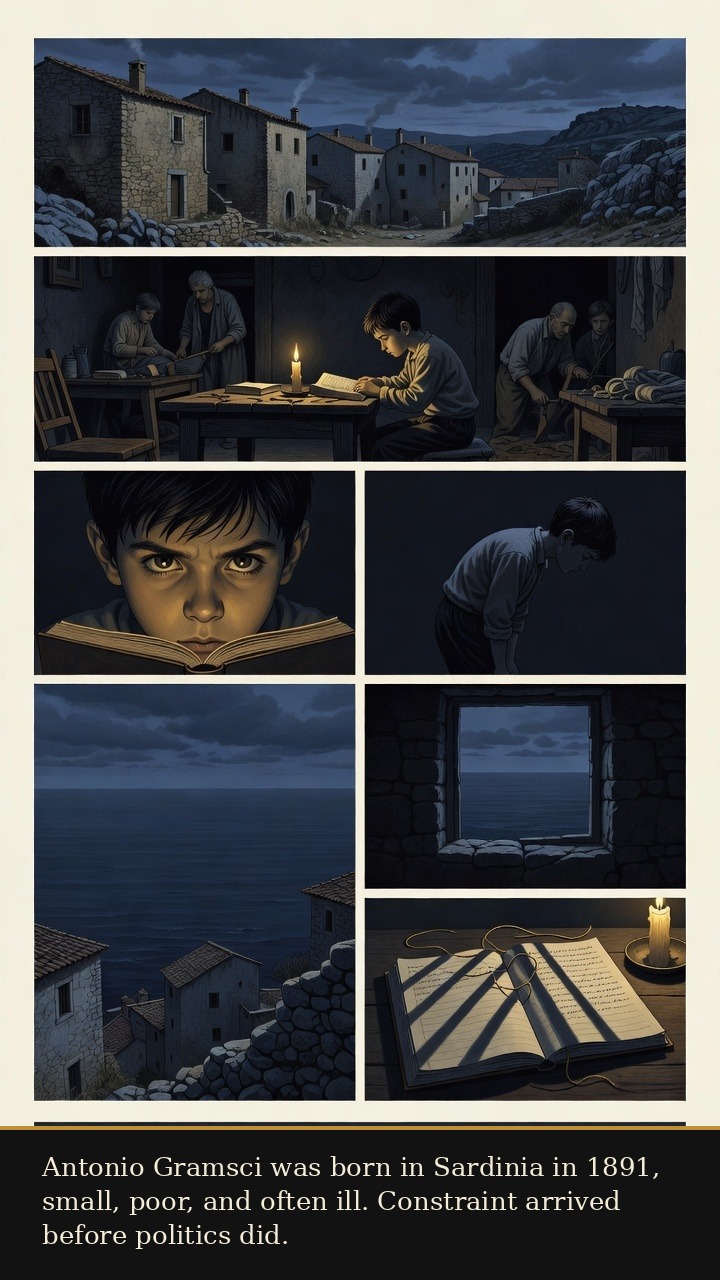
The imprisoned Sardinian thinker whose frail body broke under Fascism while his notebooks escaped into the future of political thought.
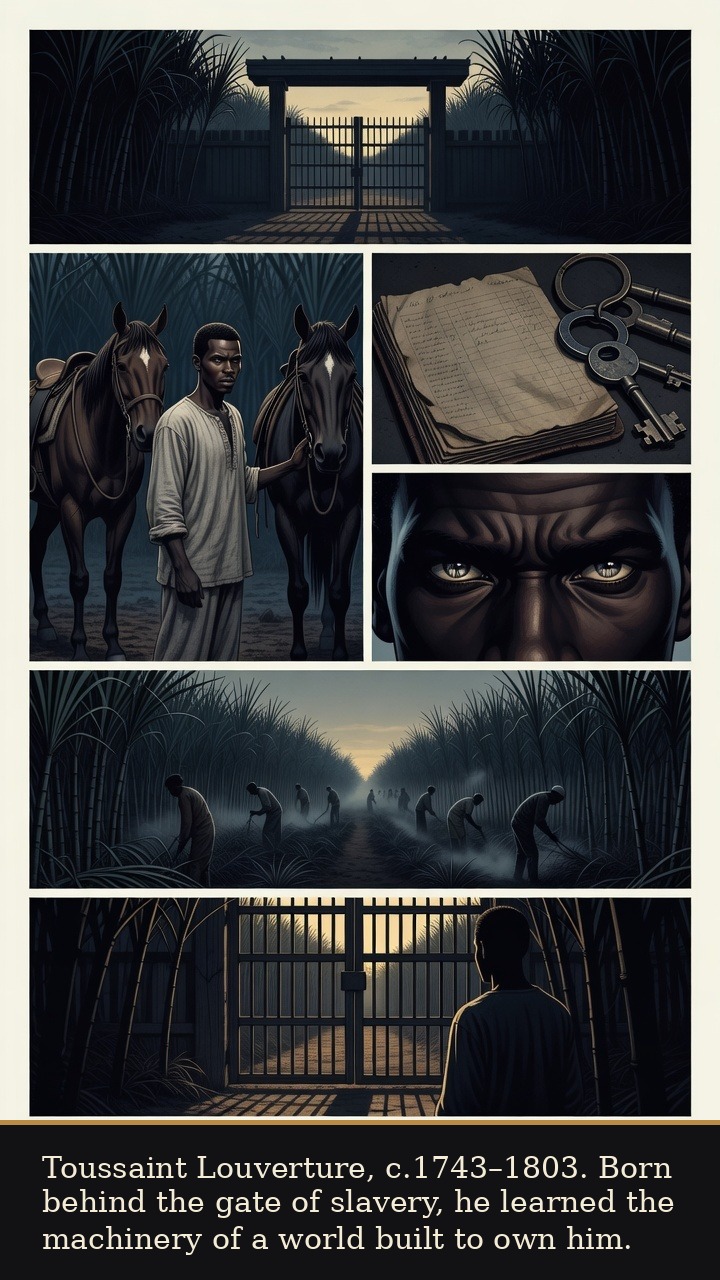
The formerly enslaved strategist who helped turn revolt in Saint-Domingue into the road toward the first Black republic.
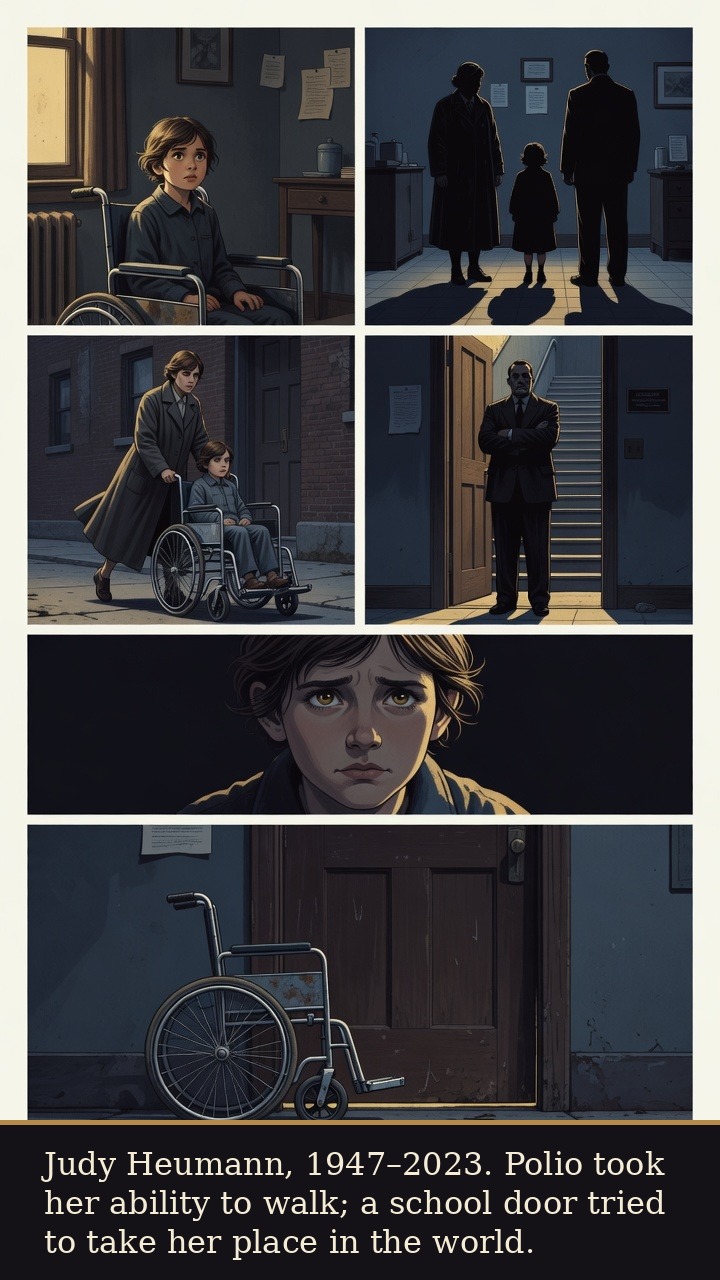
The wheelchair-using organizer who turned a childhood school-door exclusion into a national demand for disability civil rights.
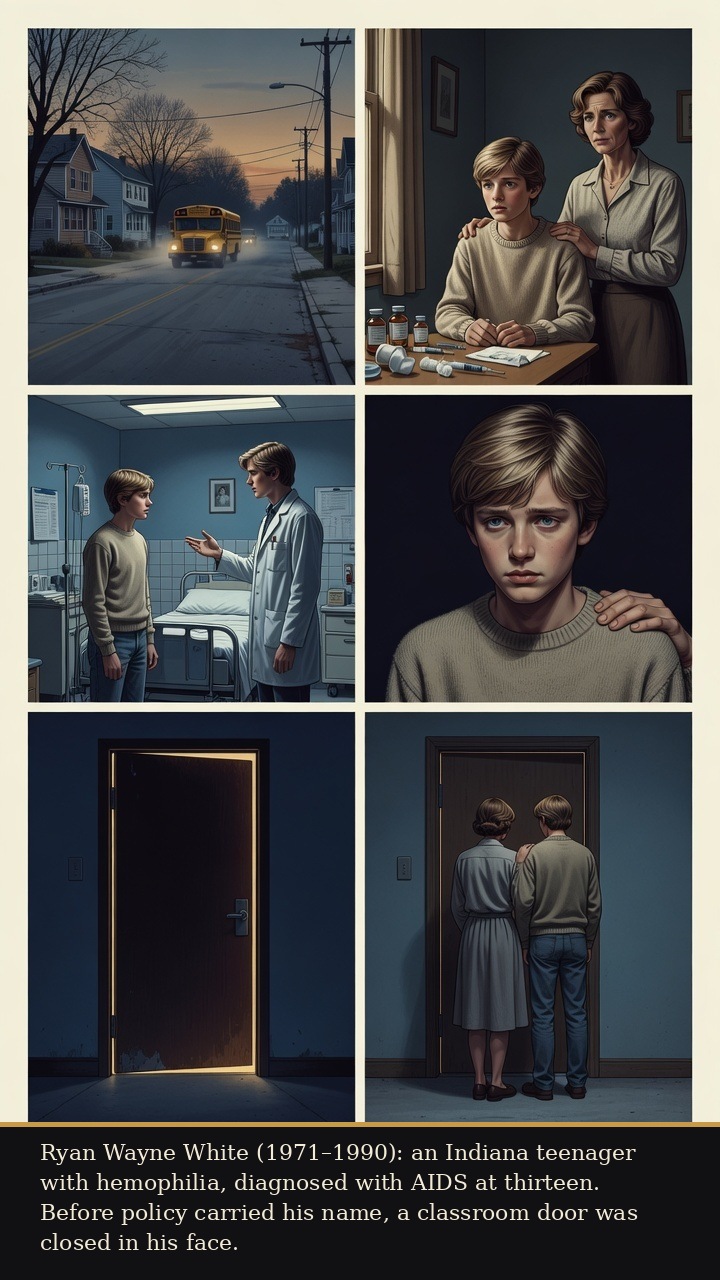
The Indiana teenager who survived long enough to make AIDS panic face a classroom door — and left his name on care instead of fear.
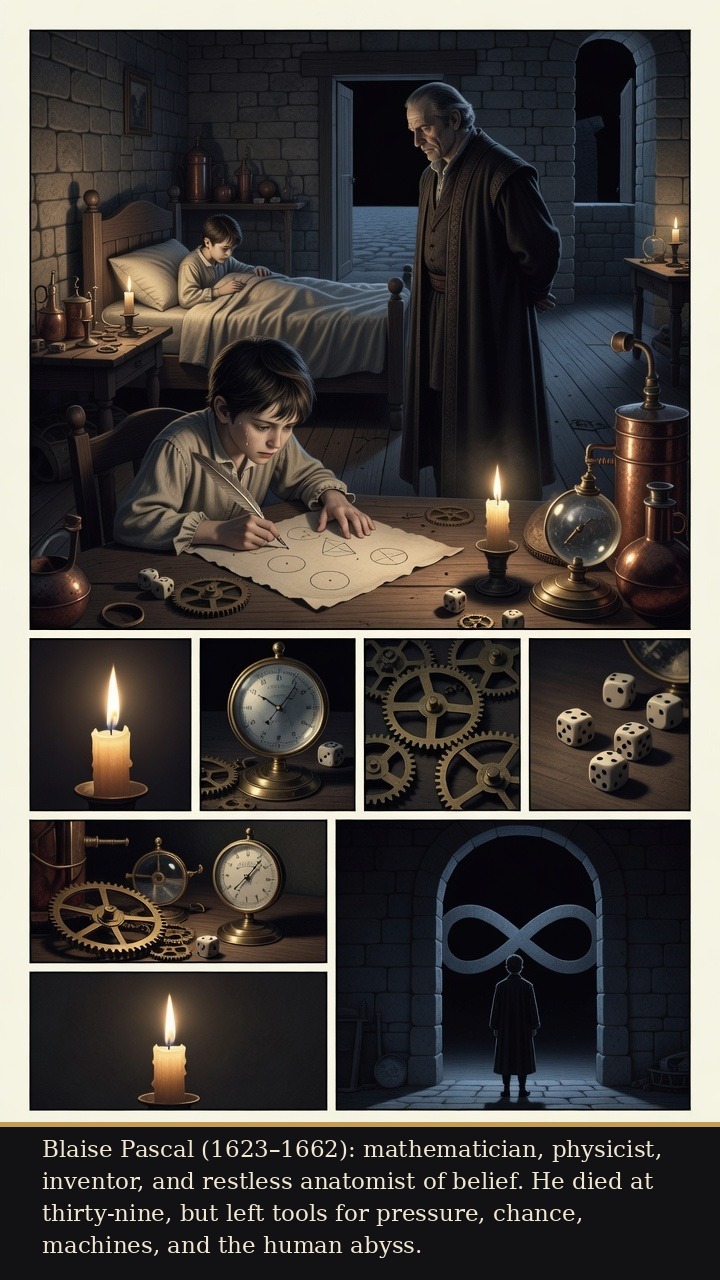
The frail mathematician who made pressure, machines, chance, and faith visible — then carried a private fire into the fragments of the Pensées.
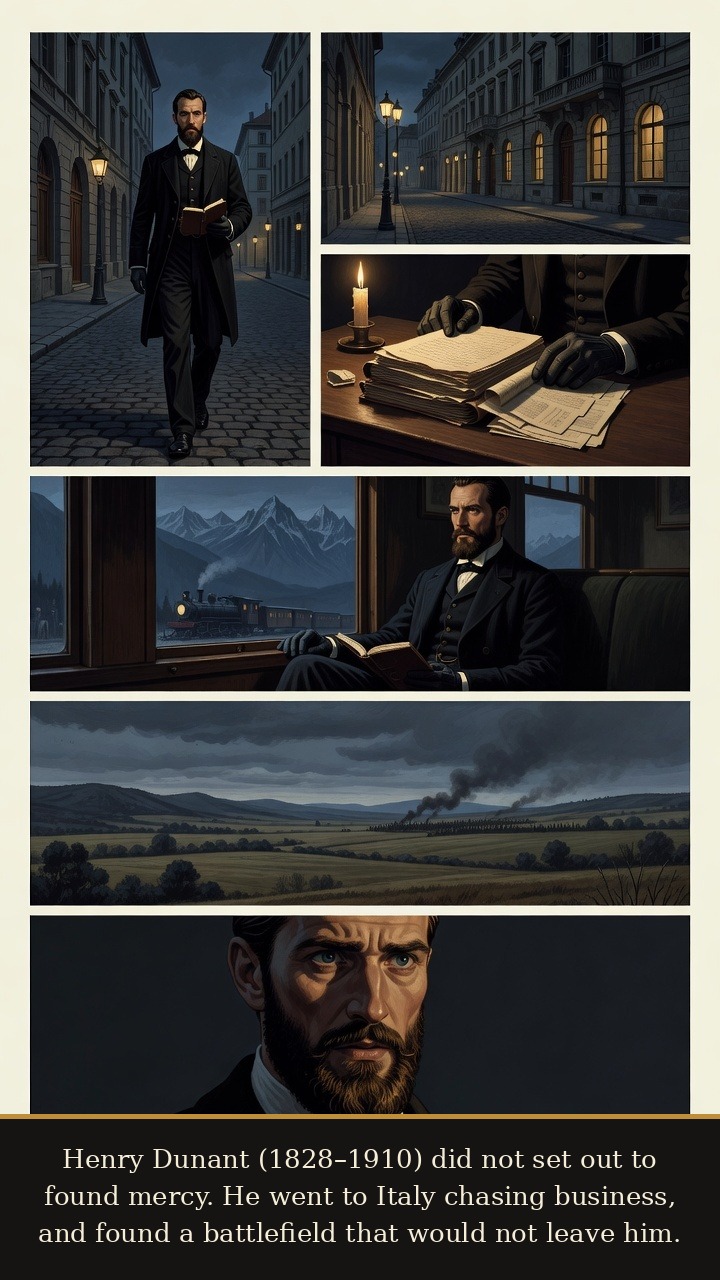
The businessman who walked into Solferino’s wounded aftermath and turned battlefield pity into the Red Cross, neutral aid, and treaty-backed care.
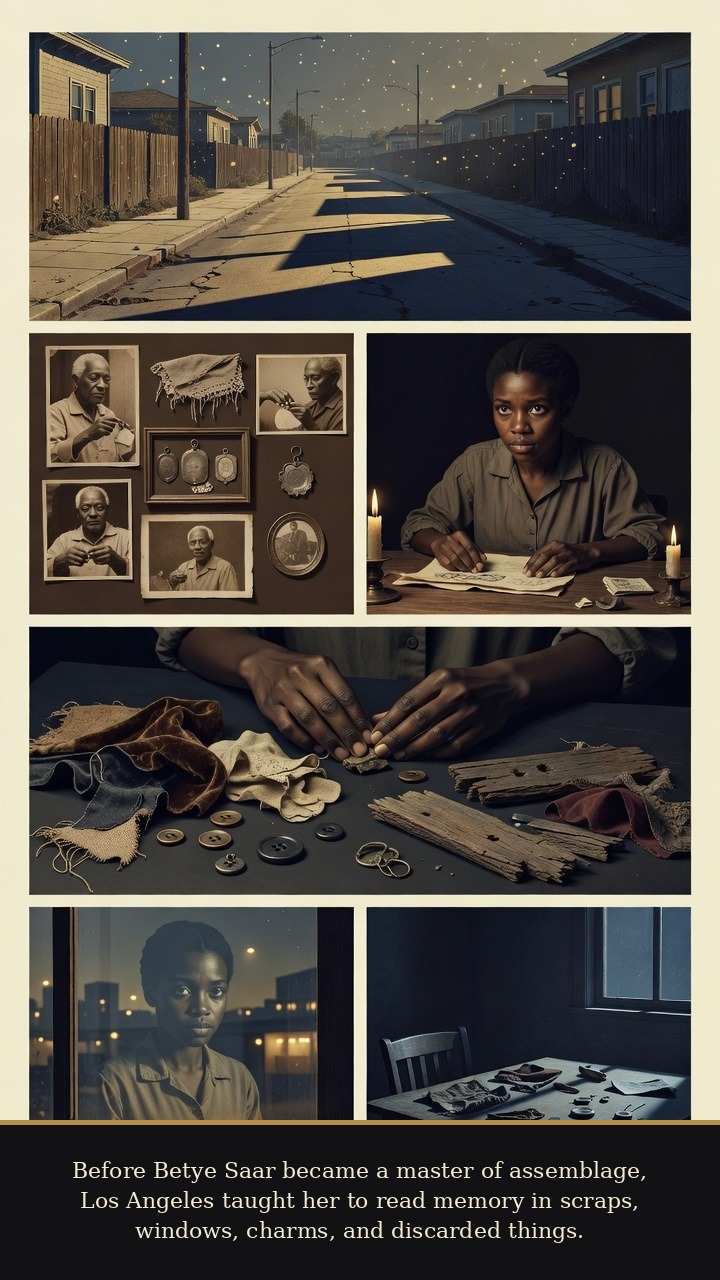
The assemblage artist who made discarded objects testify, turning racist souvenirs into resistance and memory into charged rooms.
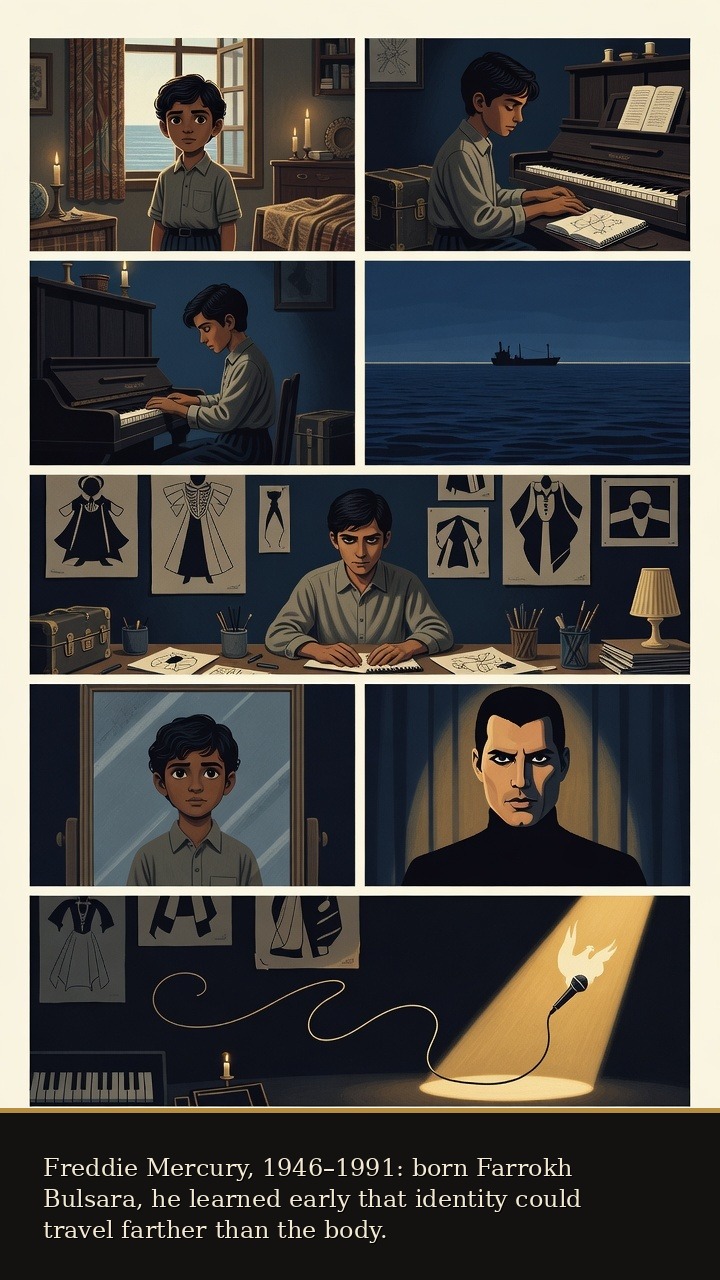
The Queen frontman whose private final clock became a public echo for music, AIDS awareness, and grief turned useful.
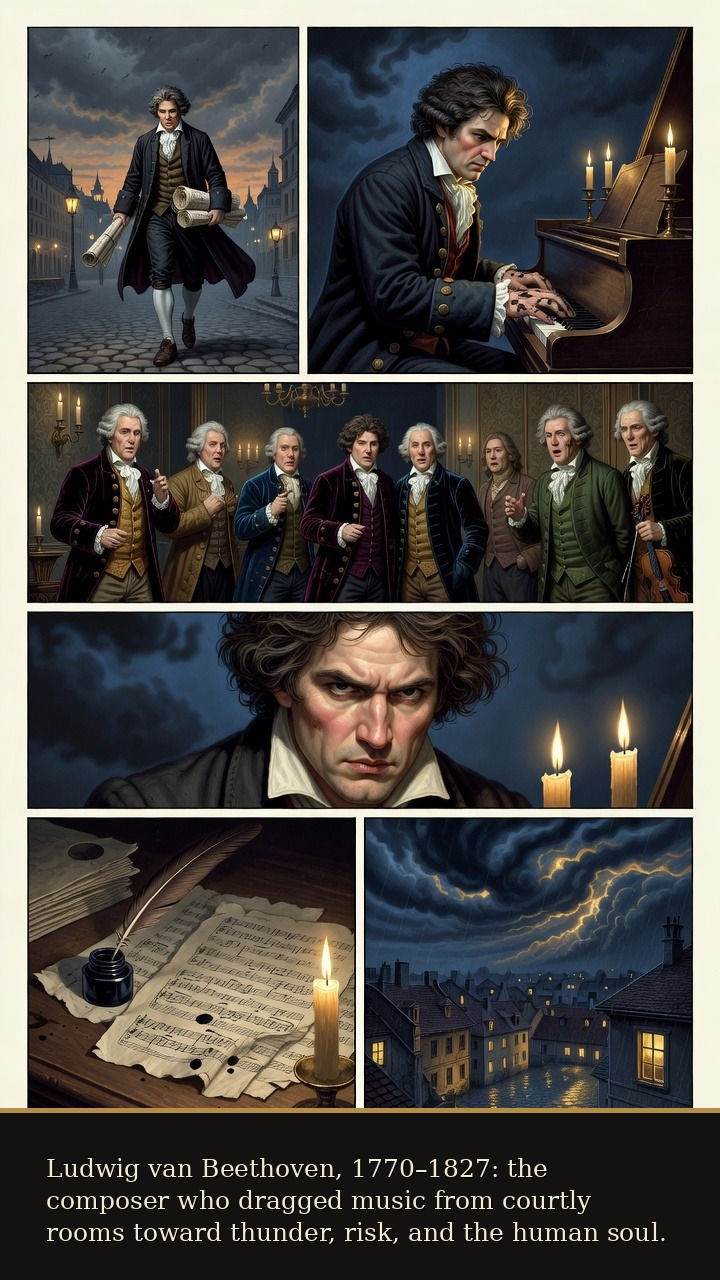
The composer who lost the outer world of sound and answered with an inner orchestra that still shakes concert halls.
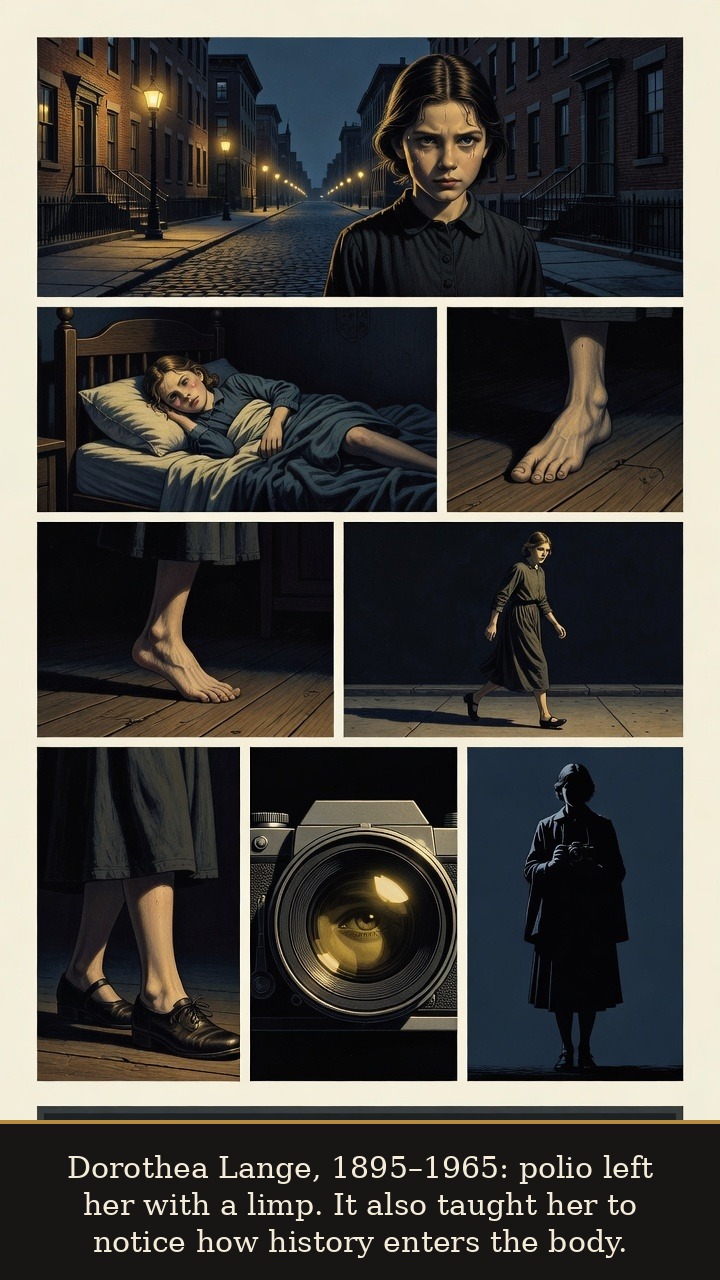
The documentary photographer whose childhood limp and Depression-era camera made poverty, displacement, and public policy look human.
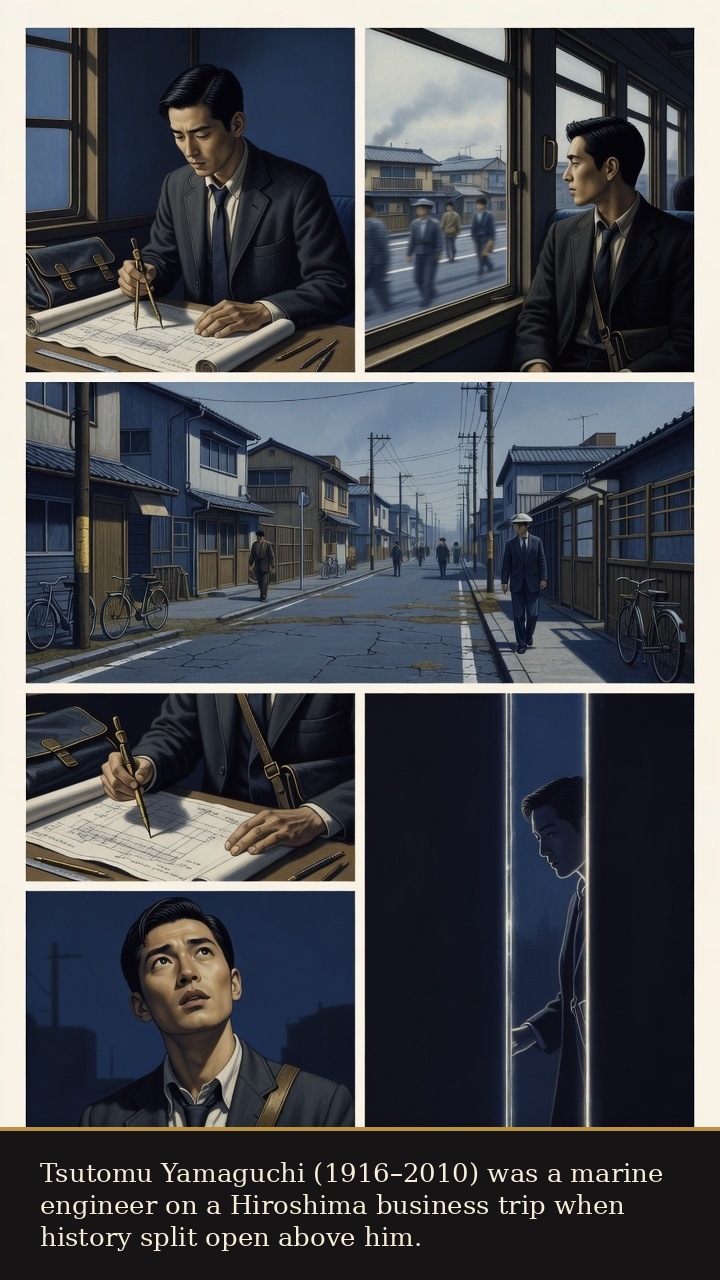
The Japanese marine engineer who survived both atomic bombings, then turned the memory of two white suns into a warning against nuclear weapons.
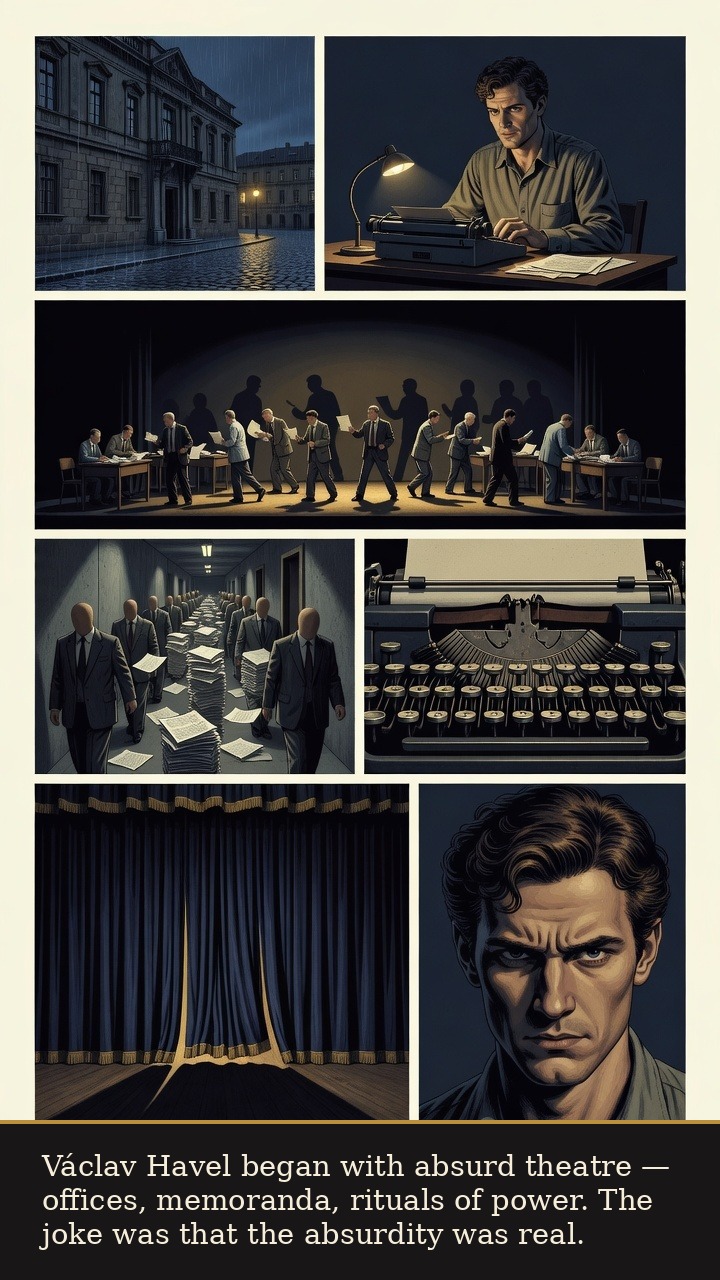
The imprisoned Czech playwright who helped turn moral dissent into a peaceful revolution, then carried it into the presidency.
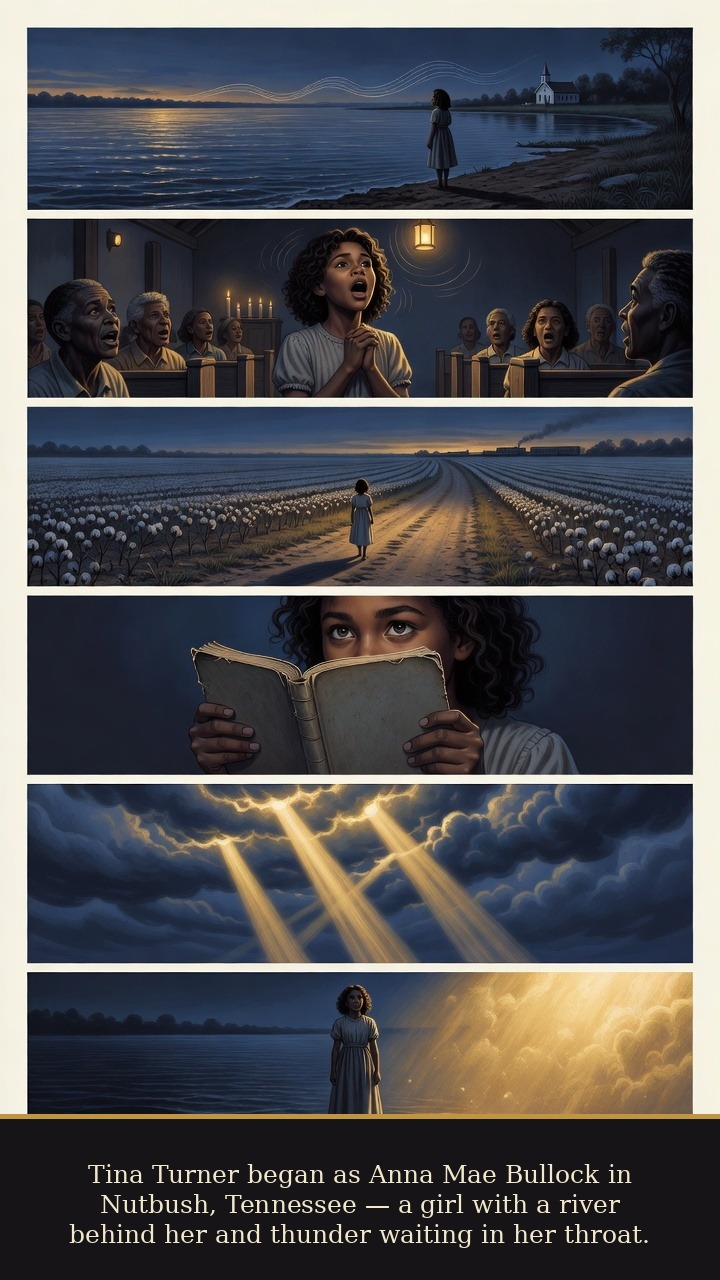
The Queen of Rock ’n’ Roll who escaped violence, rebuilt from almost nothing, and made middle age sound like ignition.
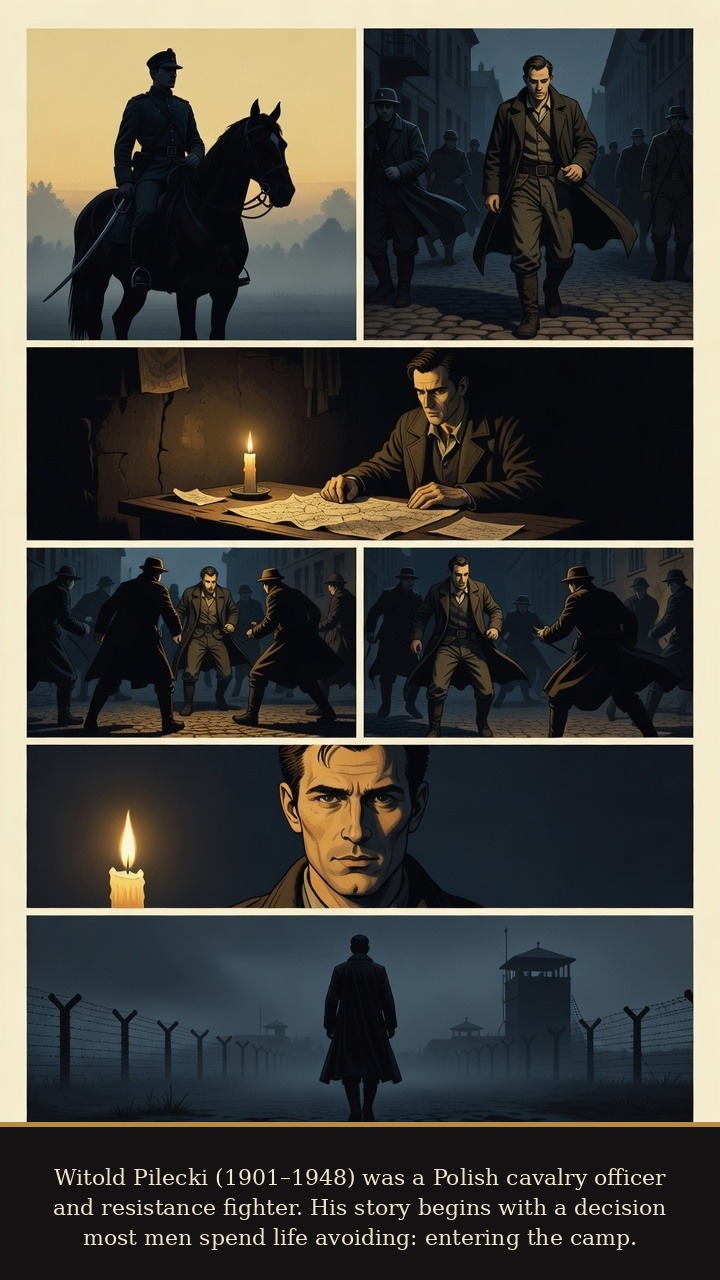
The Polish resistance officer who voluntarily entered Auschwitz so truth could get out.
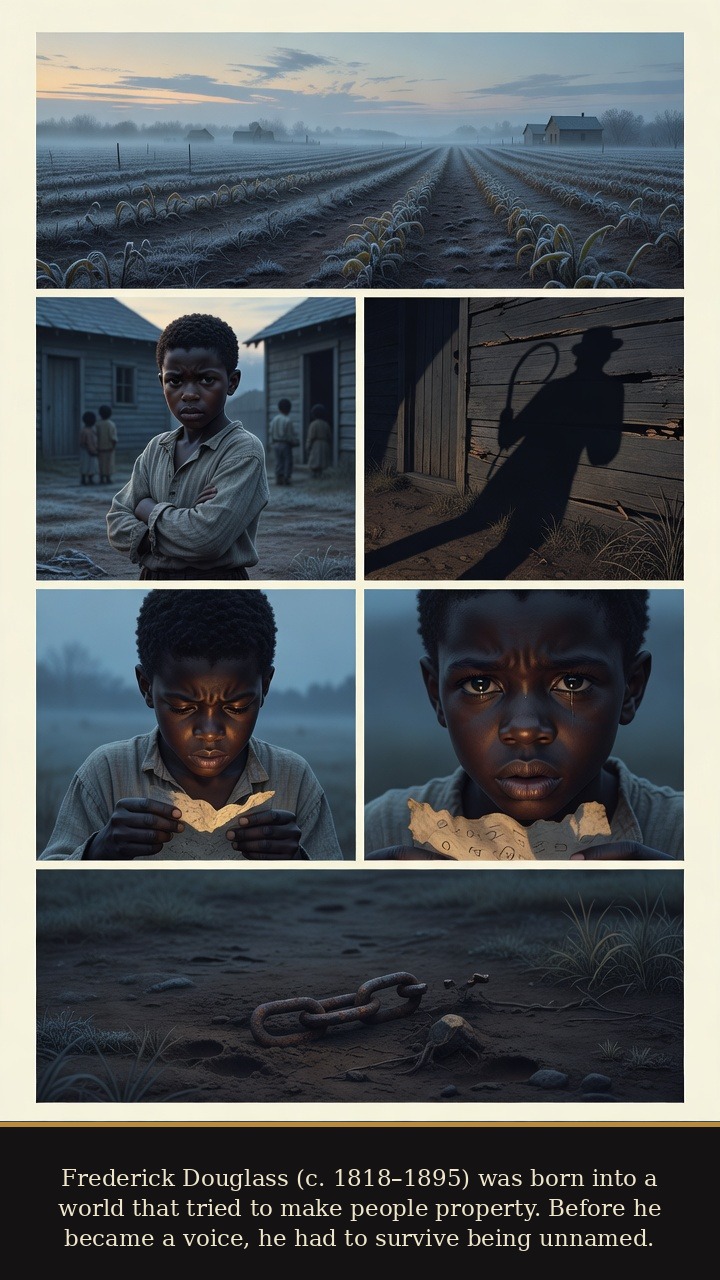
The escaped slave who turned forbidden literacy into a voice America could not bury.
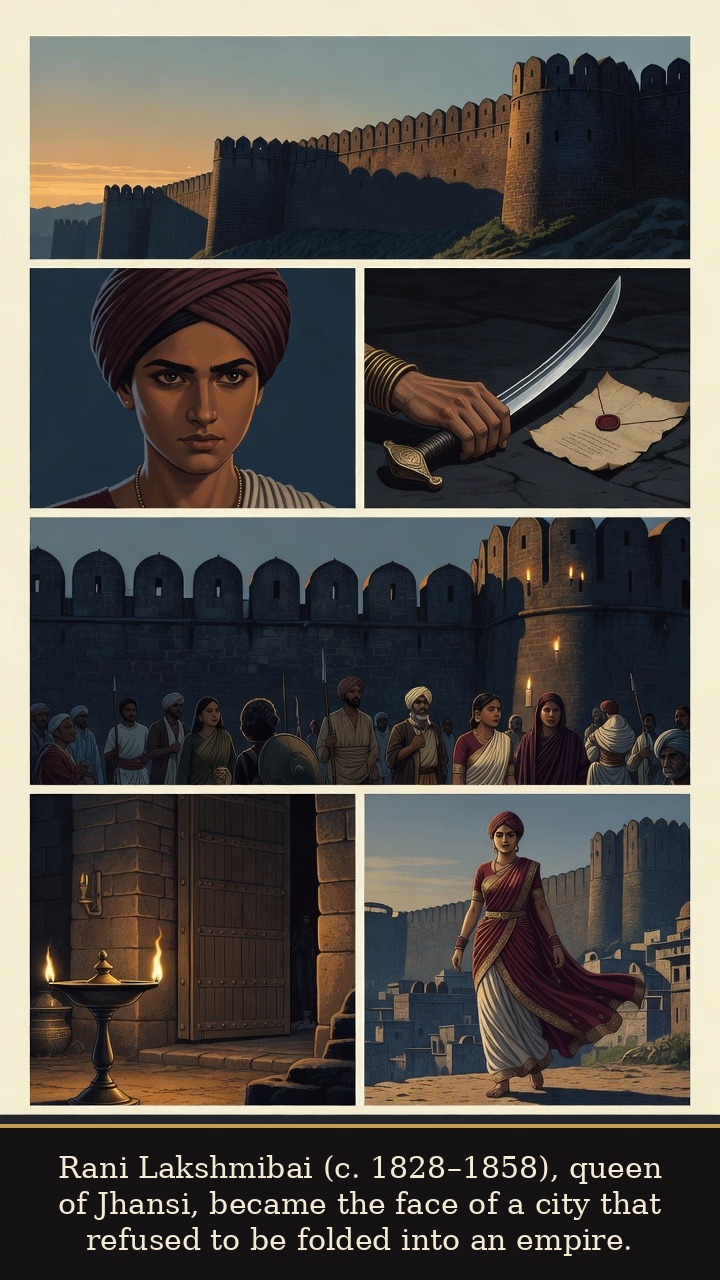
The queen of Jhansi who turned annexation, siege, and death near Gwalior into one of India’s fiercest images of courage.
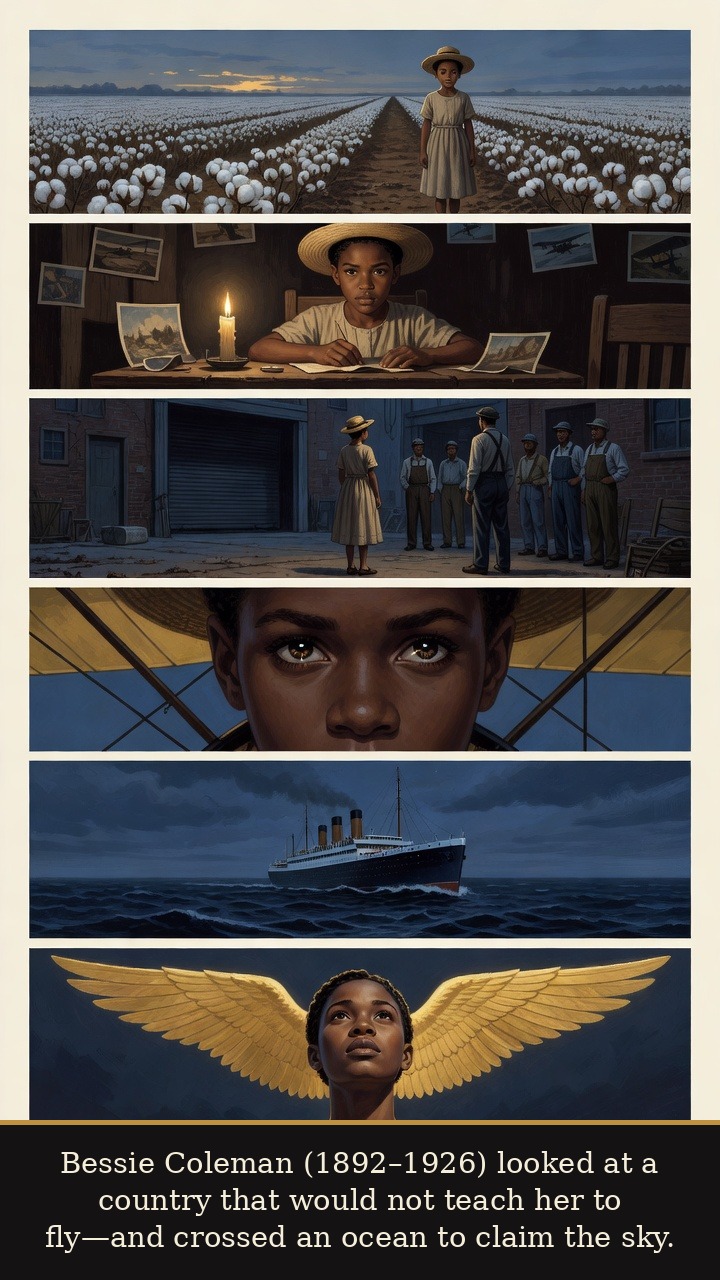
The aviator who crossed an ocean for the license America denied her, survived a crash, and kept opening the sky.
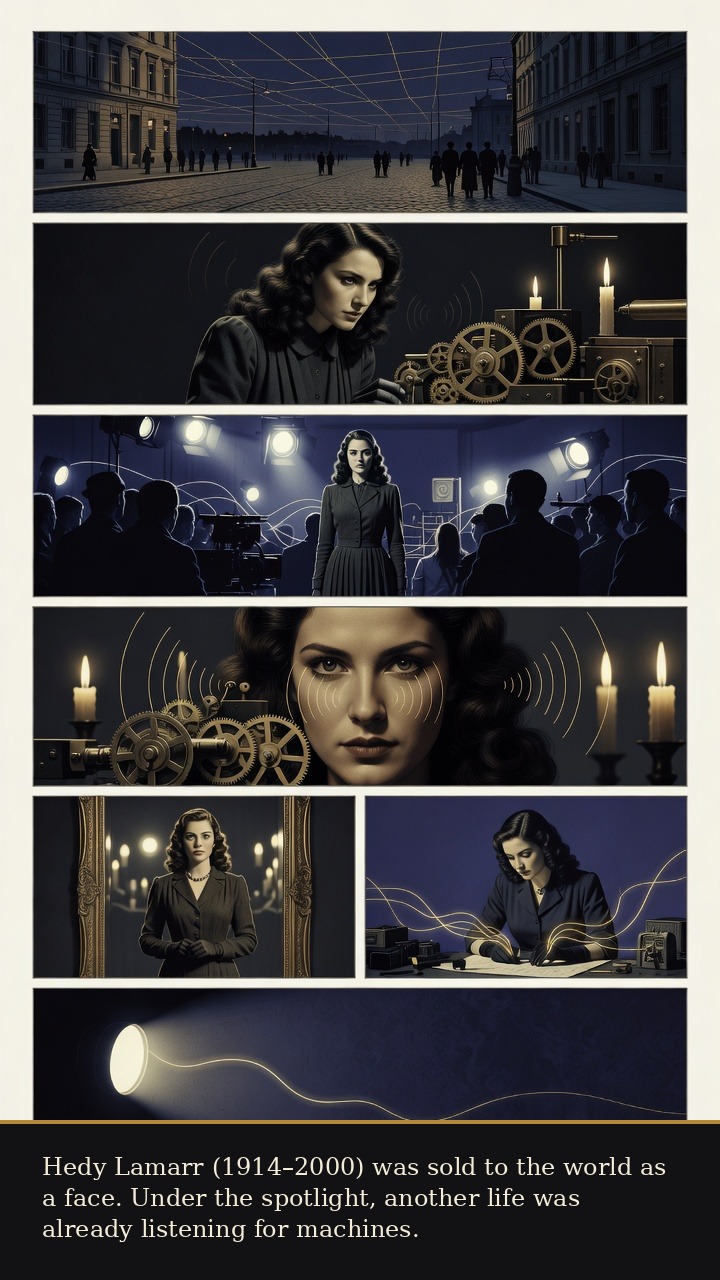
The film star who escaped being watched and helped invent a signal built to evade capture.
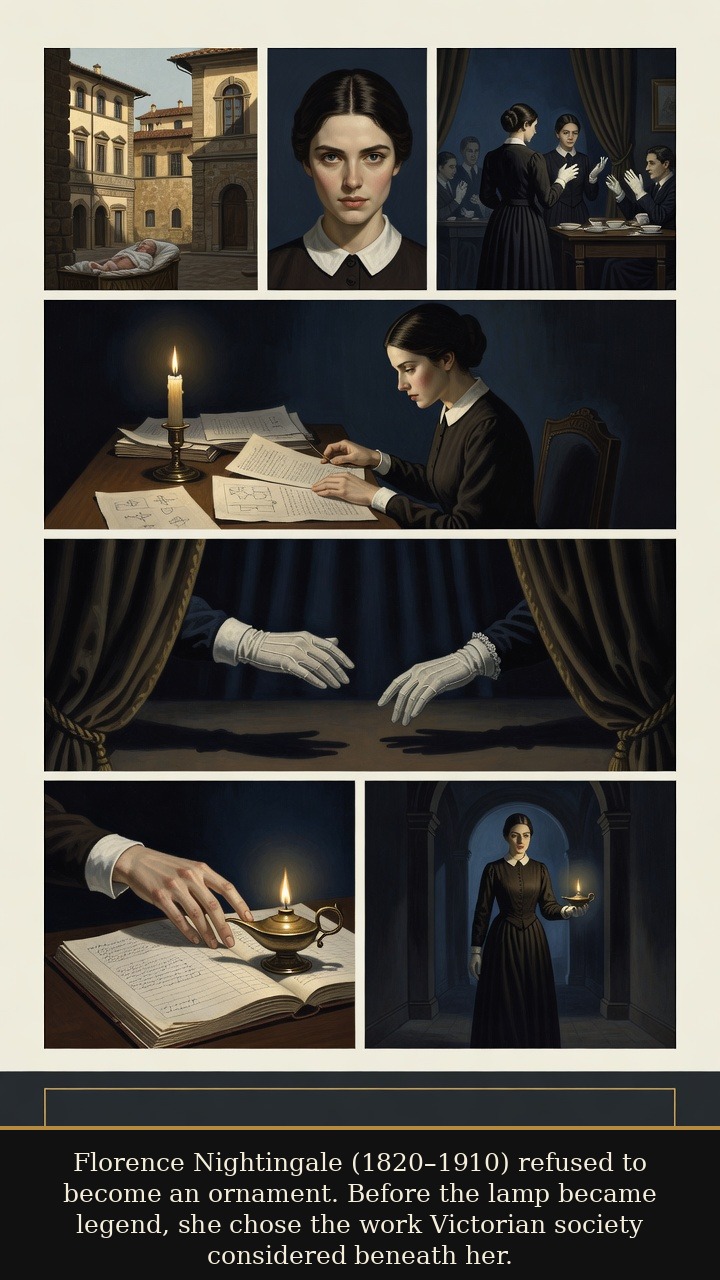
The nurse remembered for a lamp also used ledgers, statistics, and training to fight preventable death.
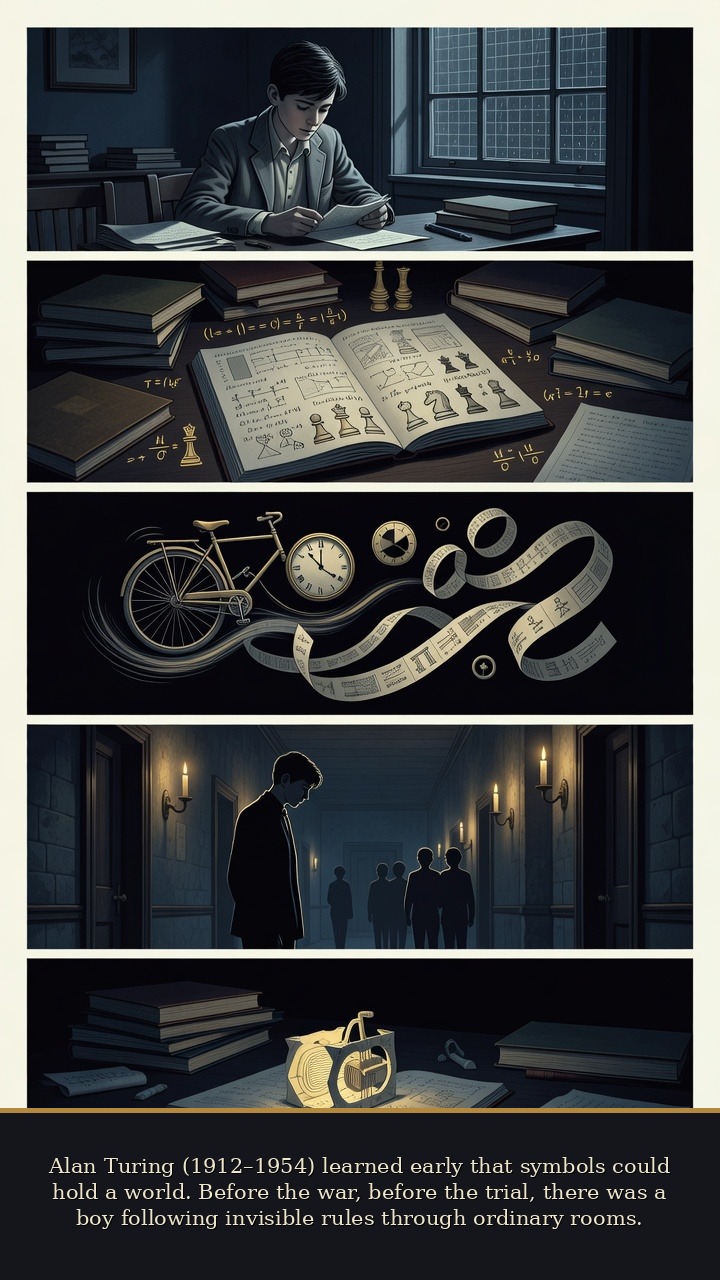
The codebreaker who helped invent modern computation was destroyed by the state that needed his mind.
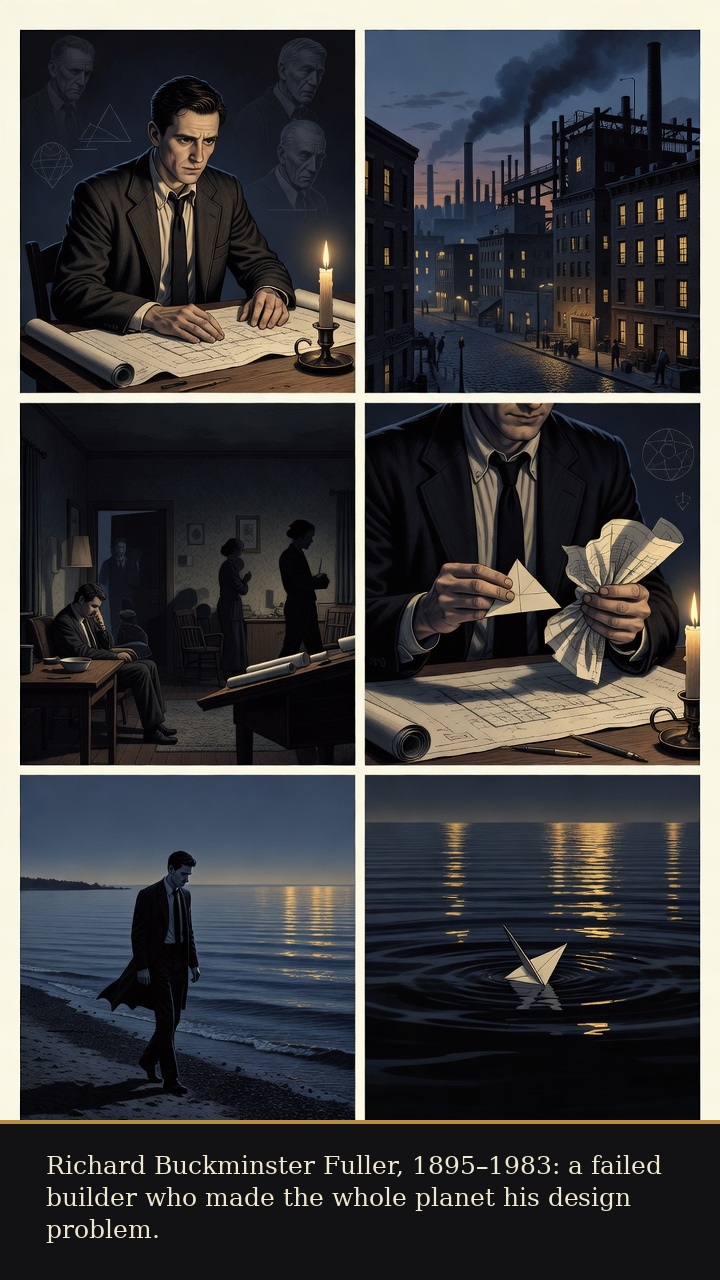
After a 1927 crisis at Lake Michigan, the failed builder turned his life into a design experiment for humanity.
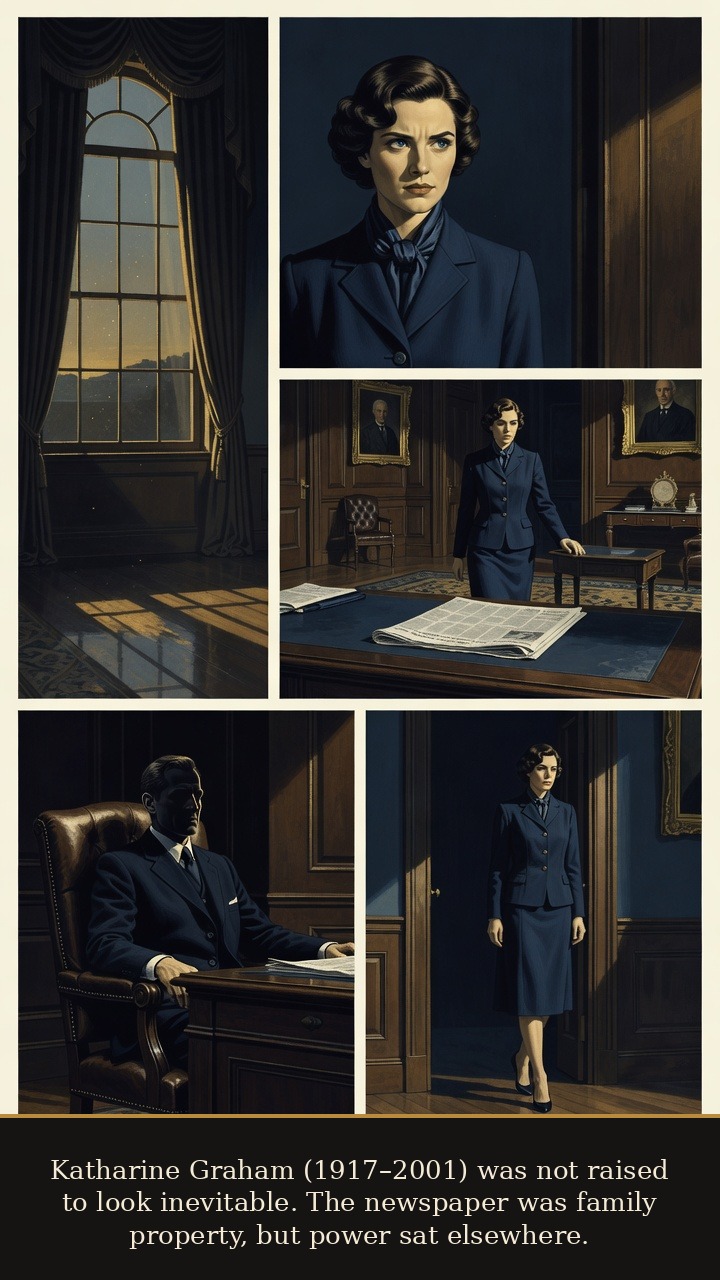
After her husband’s suicide, the accidental publisher learned power in public and kept The Washington Post standing when presidents pushed back.
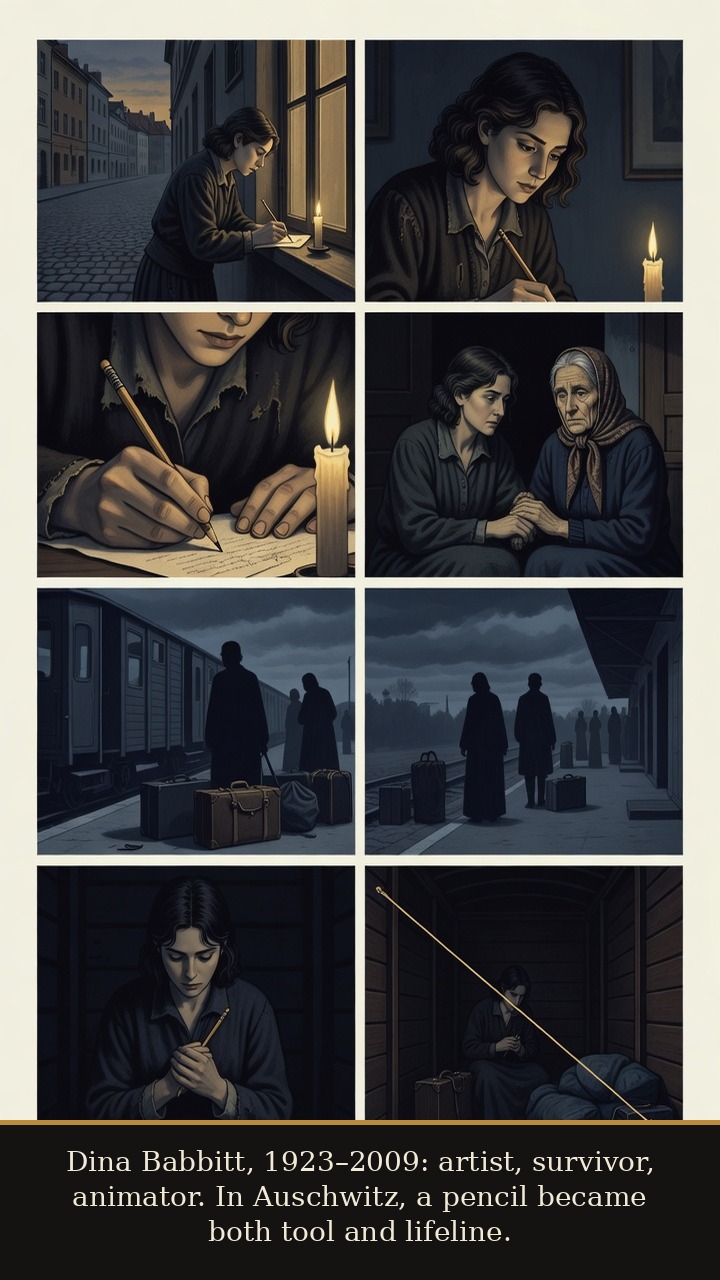
The Auschwitz survivor whose pencil became a lifeline, then a lifelong argument over stolen art and dignity.
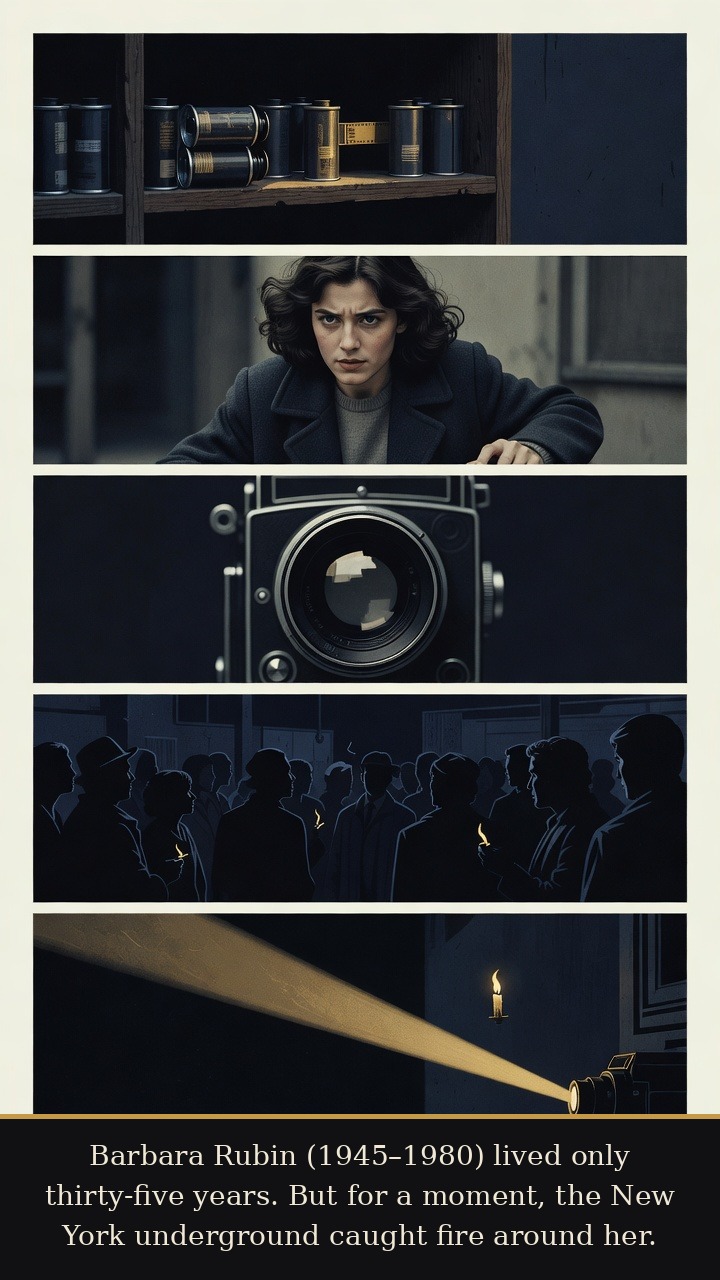
The teenage filmmaker who turned borrowed 16mm equipment into an underground shockwave, connected poets, pop art, and rock, then vanished into a quieter spiritual life before dying young after childbirth.
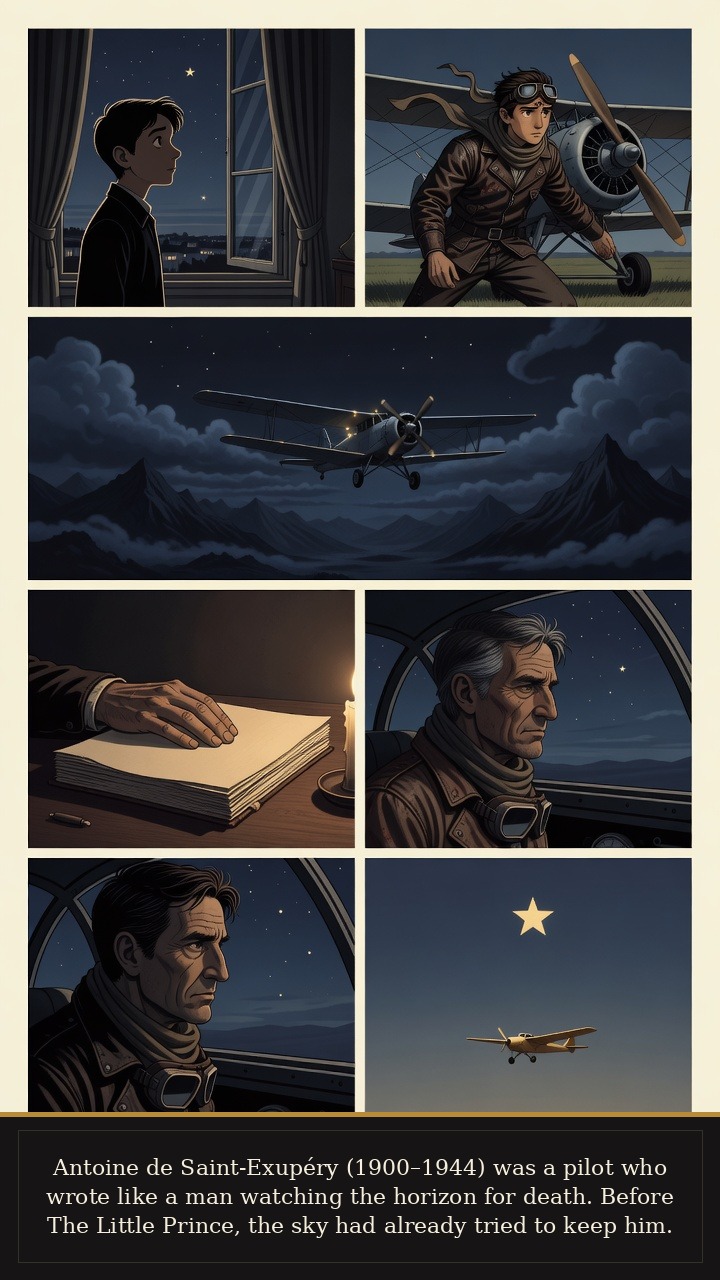
The aviator-writer who survived the Sahara, turned crash and thirst into moral imagination, wrote The Little Prince, and vanished into the wartime sky.
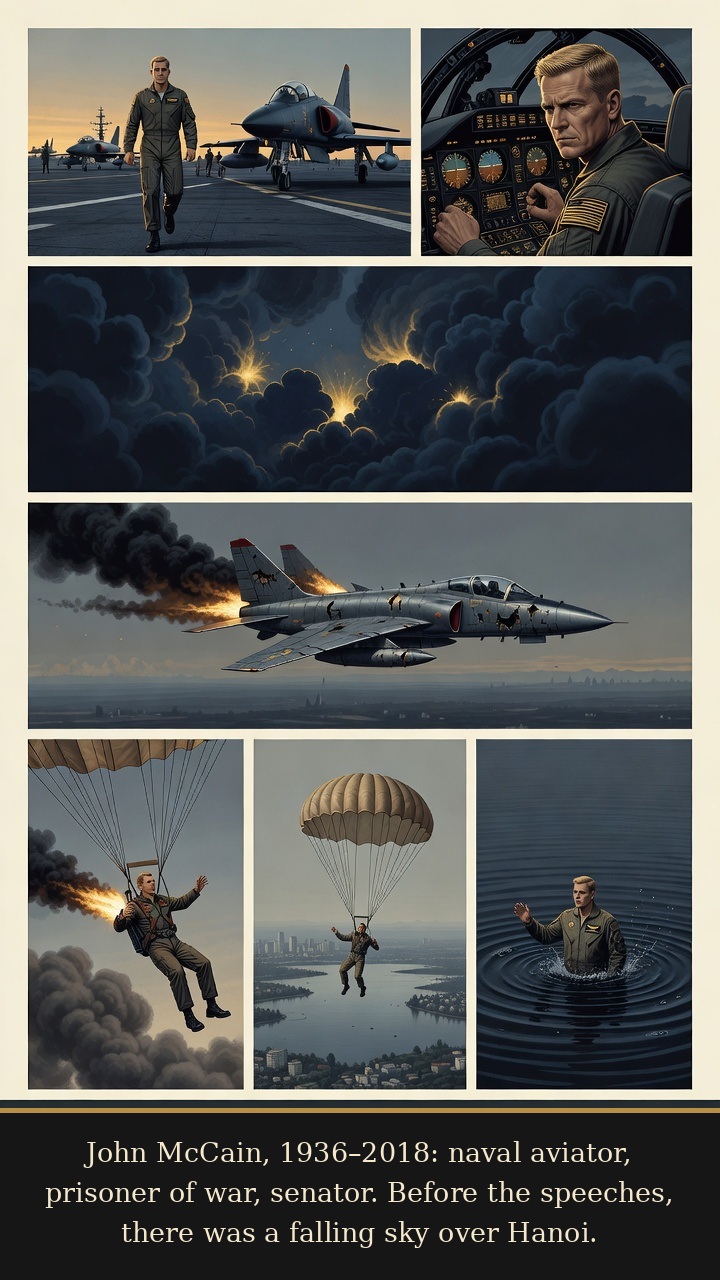
The naval aviator who fell into Hanoi, survived five and a half years as a prisoner of war, and carried the argument about duty into public life.
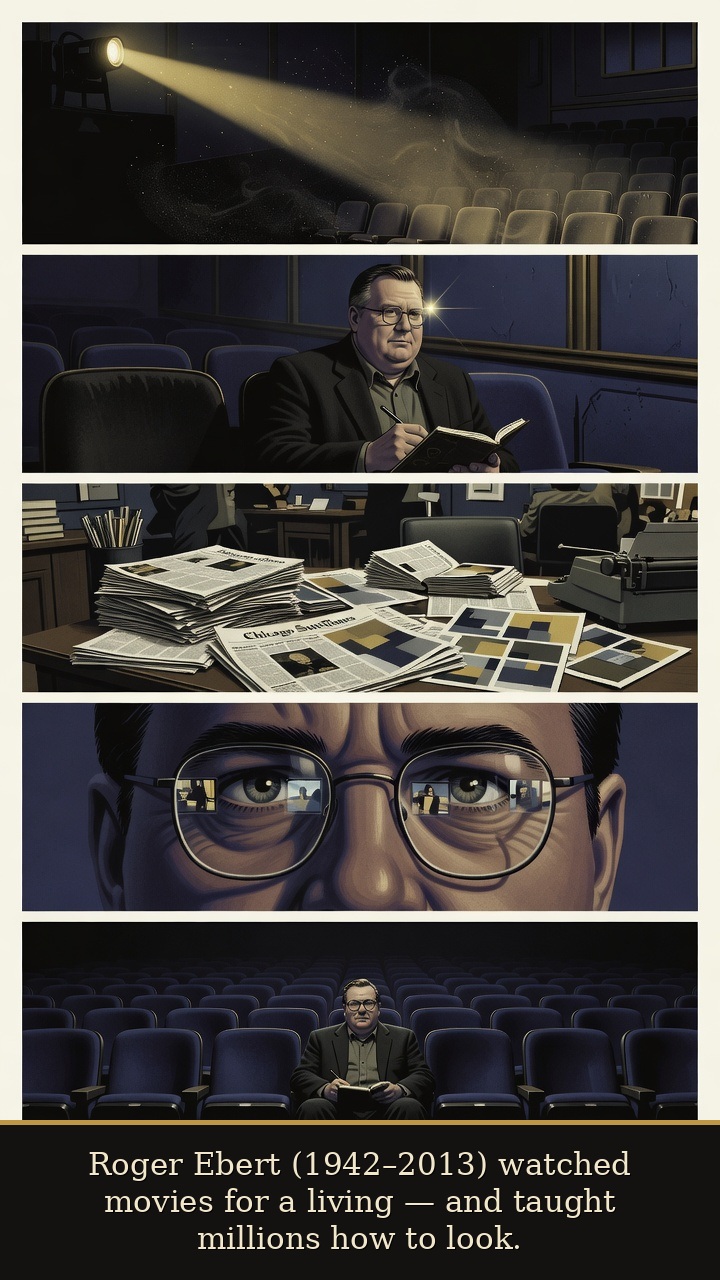
The film critic who lost his speaking voice to cancer and made the keyboard his second mouth.
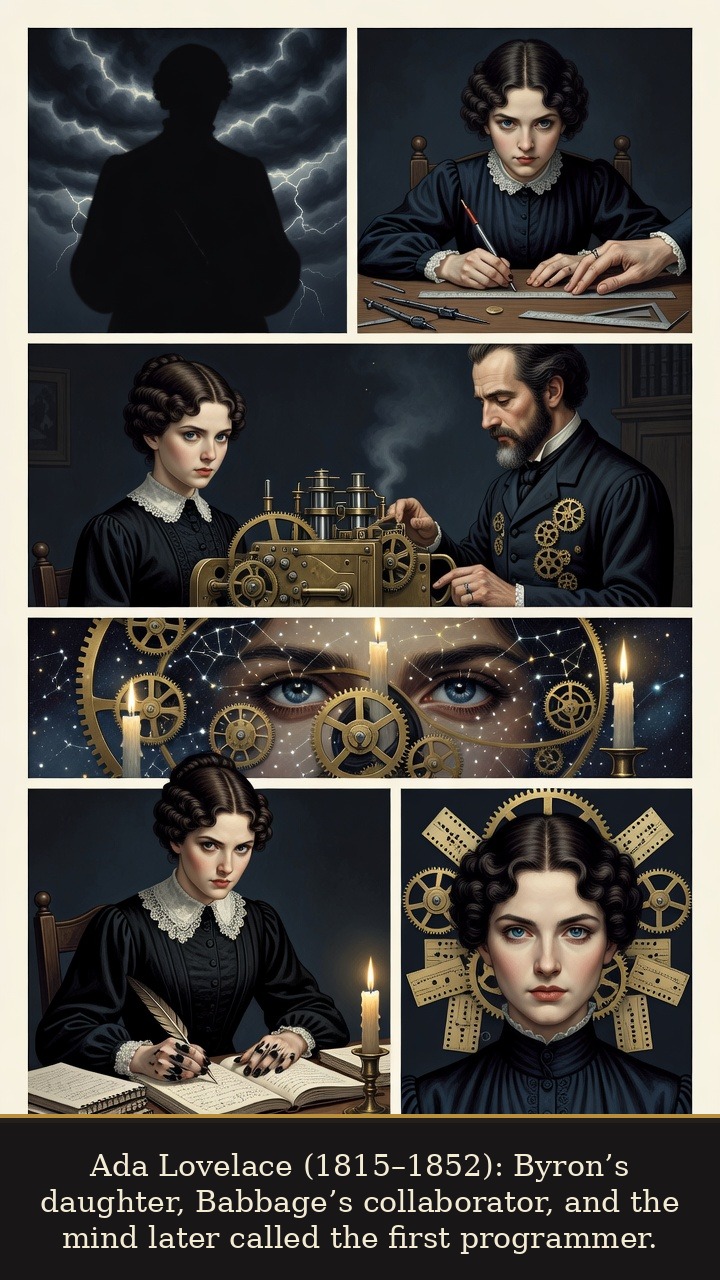
The young mathematician who saw a symbolic computer in brass gears before the computer existed.
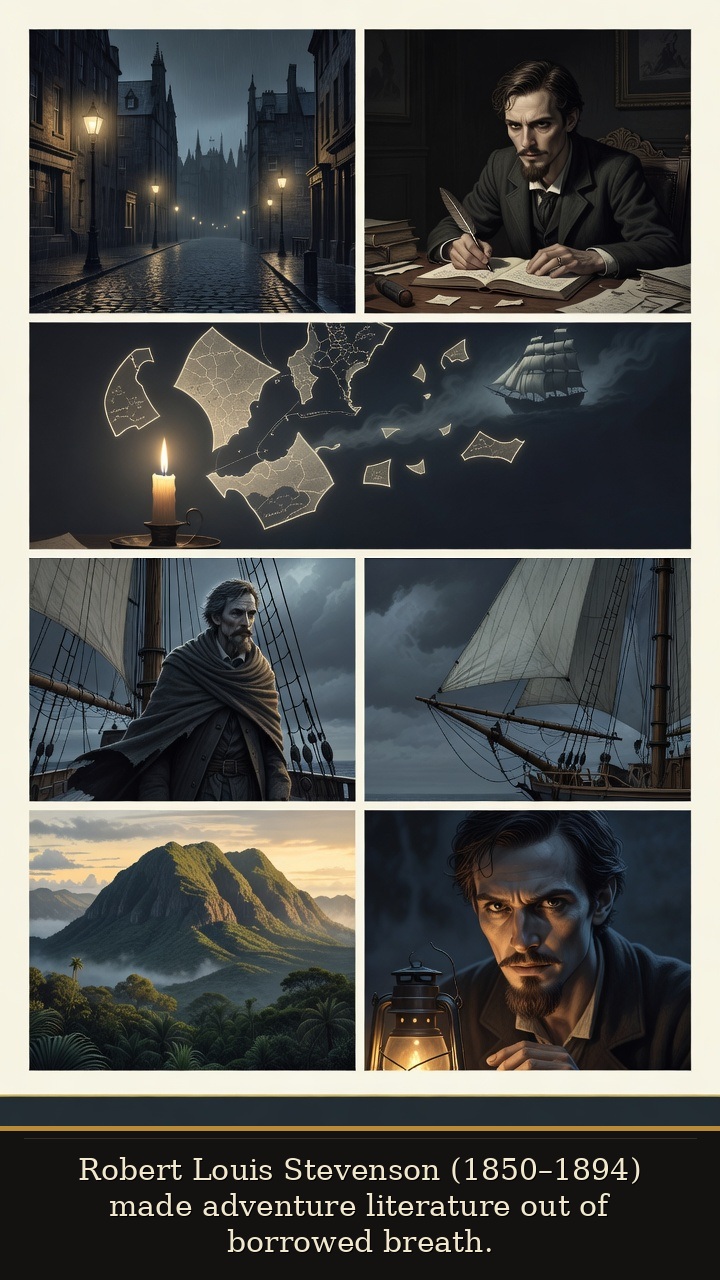
The frail Scottish writer who carried maps, doubles, ships, and lanterns through a life lived on borrowed air.
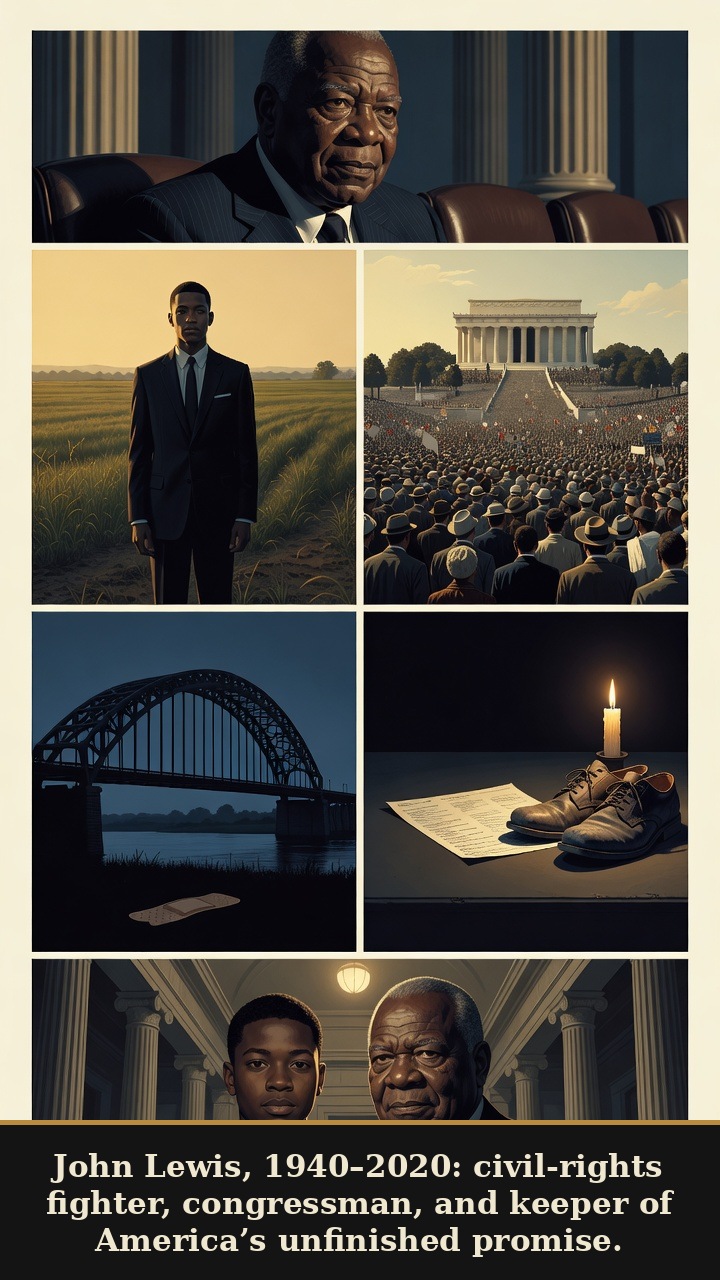
The civil-rights leader who left Selma with a fractured skull and spent the rest of his life crossing the bridge again.
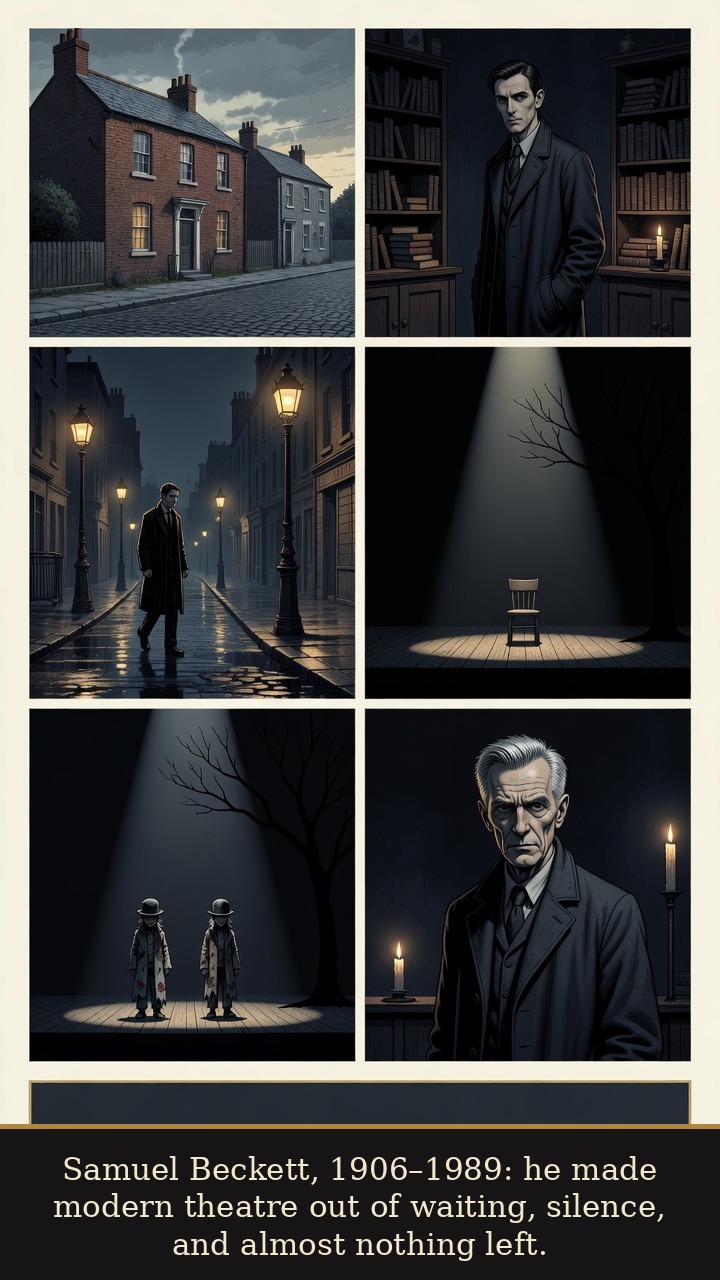
The writer who survived a knife near the heart and later made waiting into modern theatre.
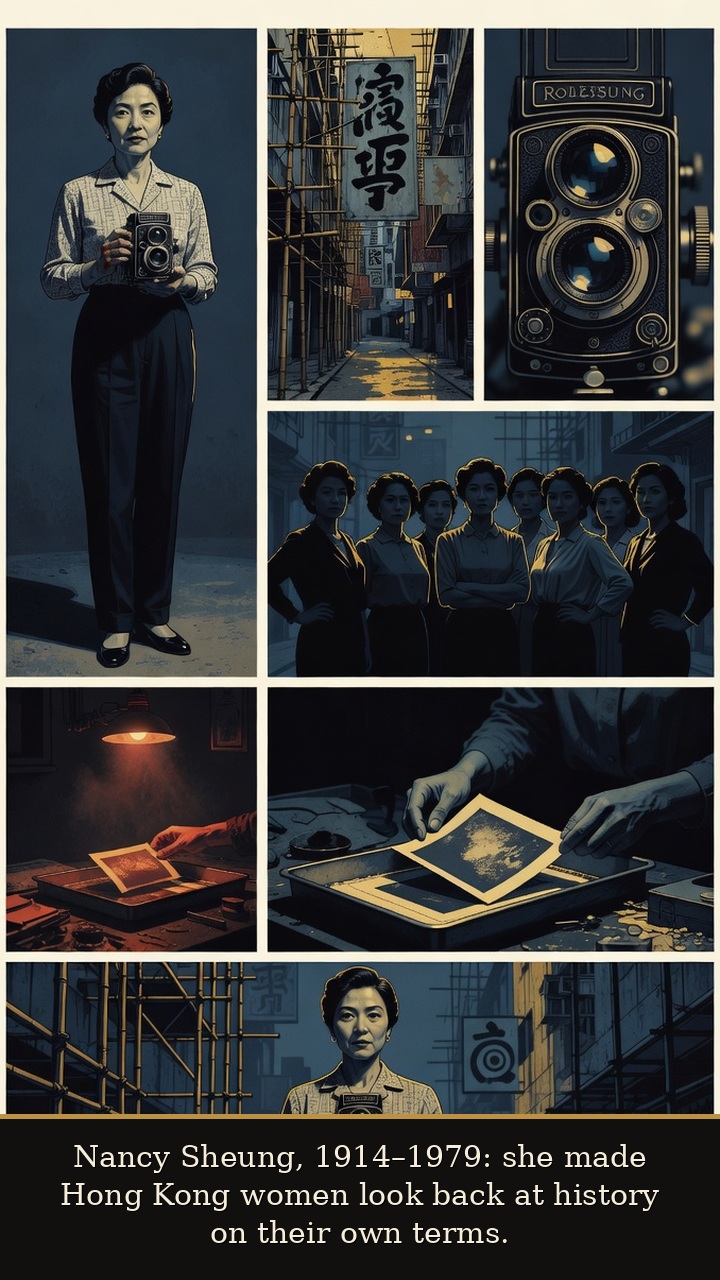
The Hong Kong photographer who made women own the frame.
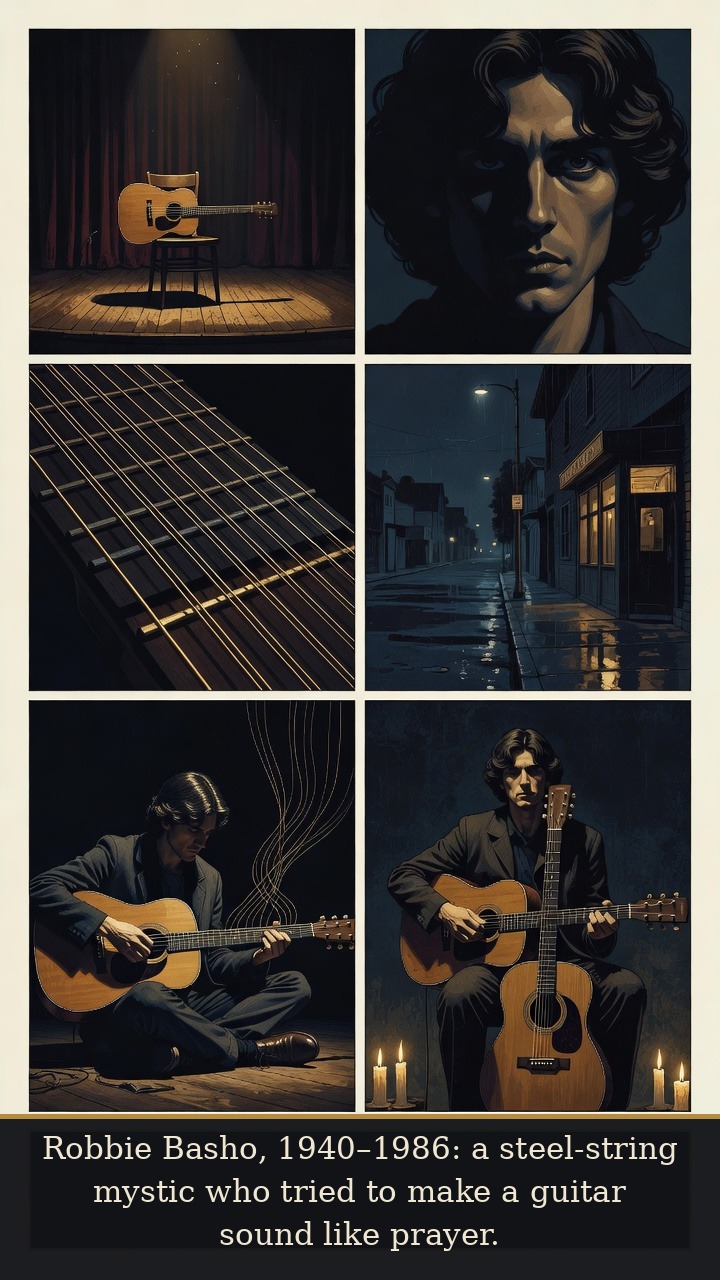
The steel-string mystic who made the guitar feel like prayer.
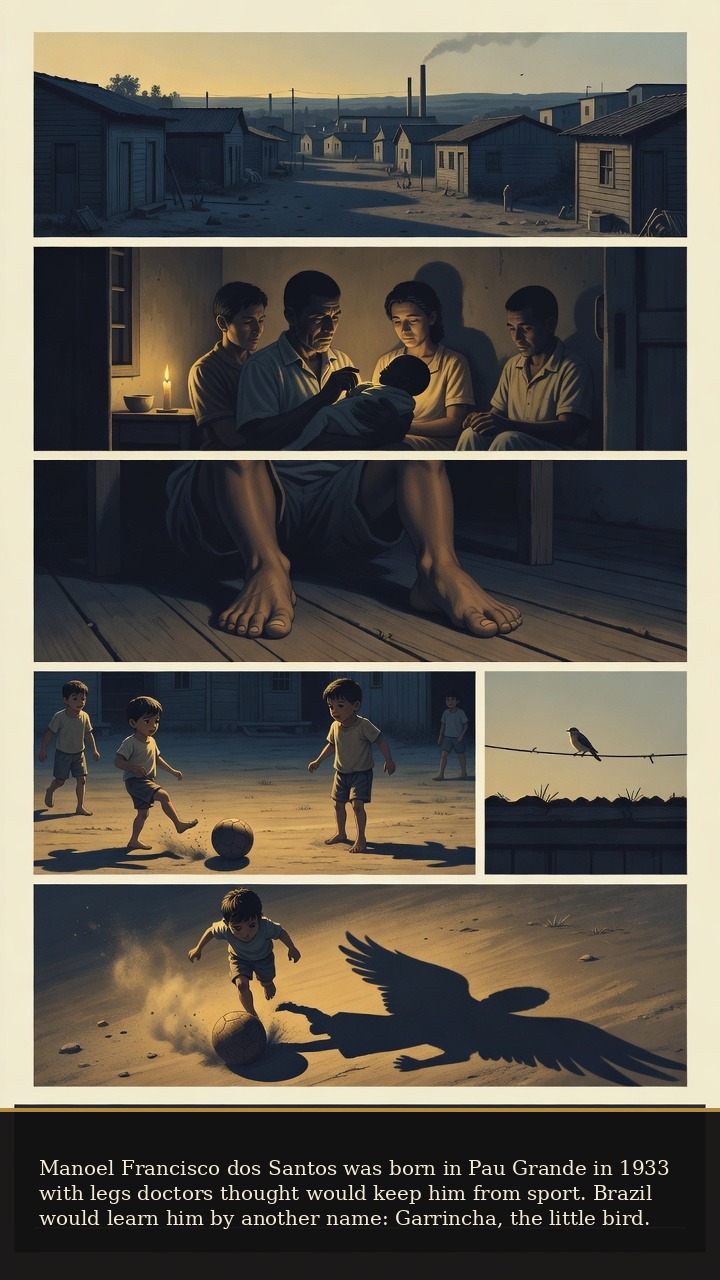
The Brazilian winger whose bent legs became football joy.
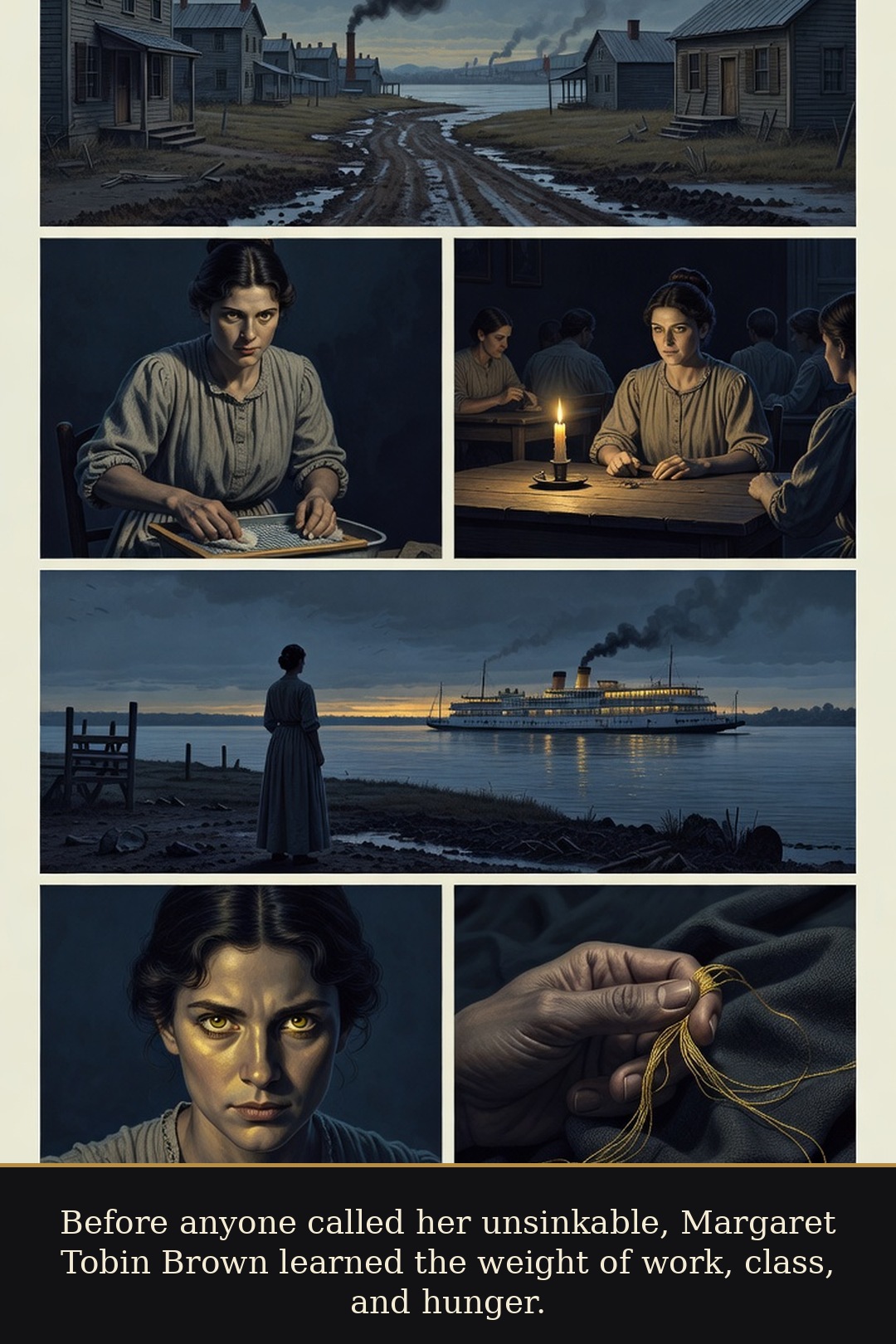
Titanic survivor who turned sudden fame into relief, suffrage, labor, and humanitarian work.
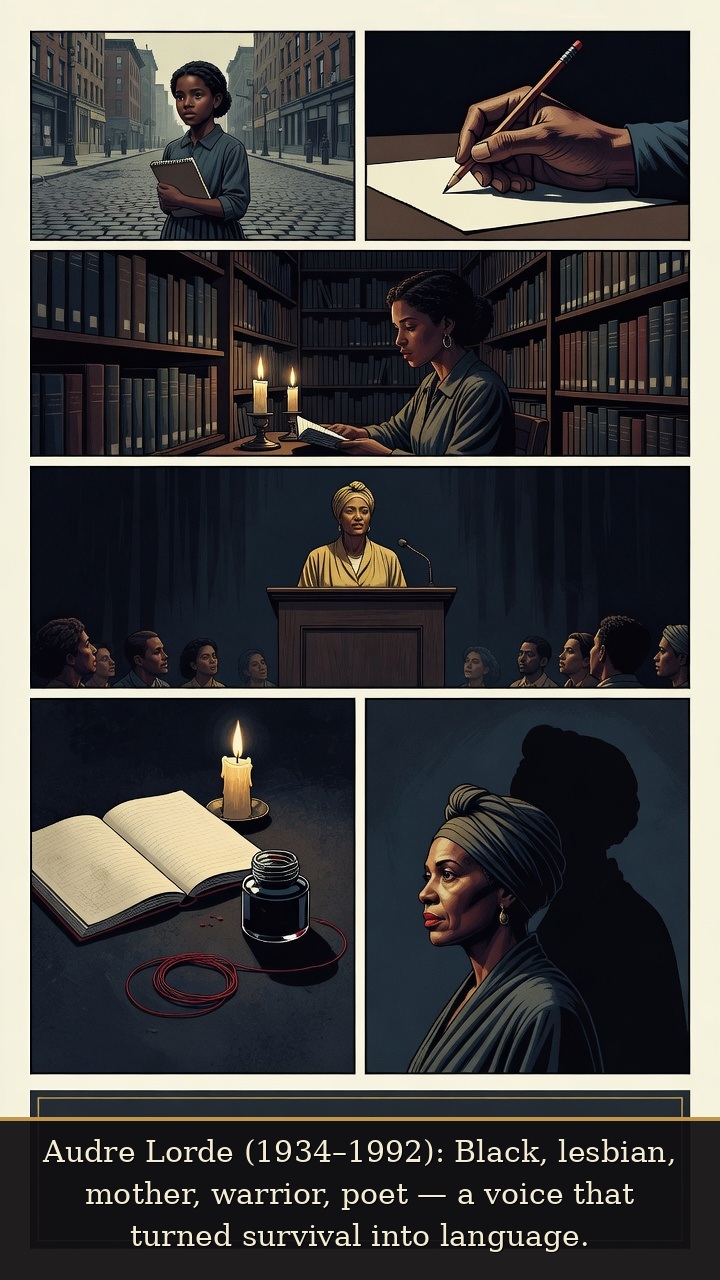
The poet who made illness, identity, and survival impossible to keep private.
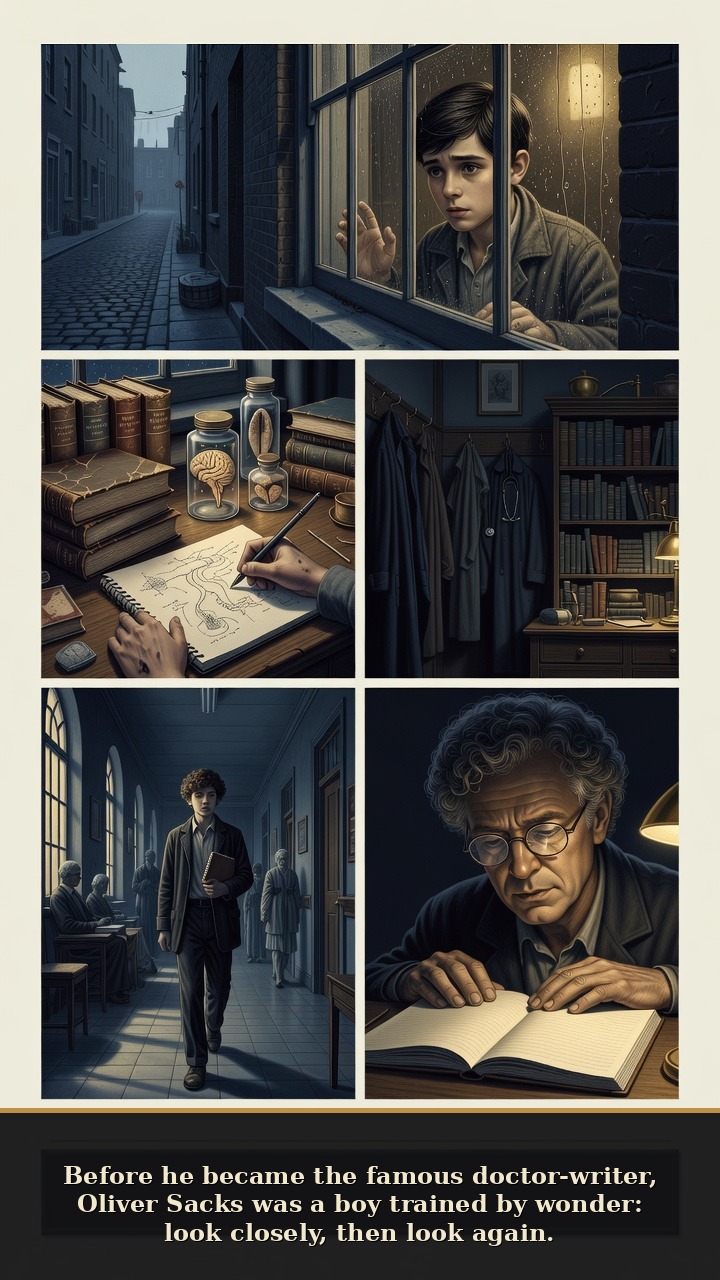
The neurologist who made case histories human, then met terminal cancer with attention and gratitude.
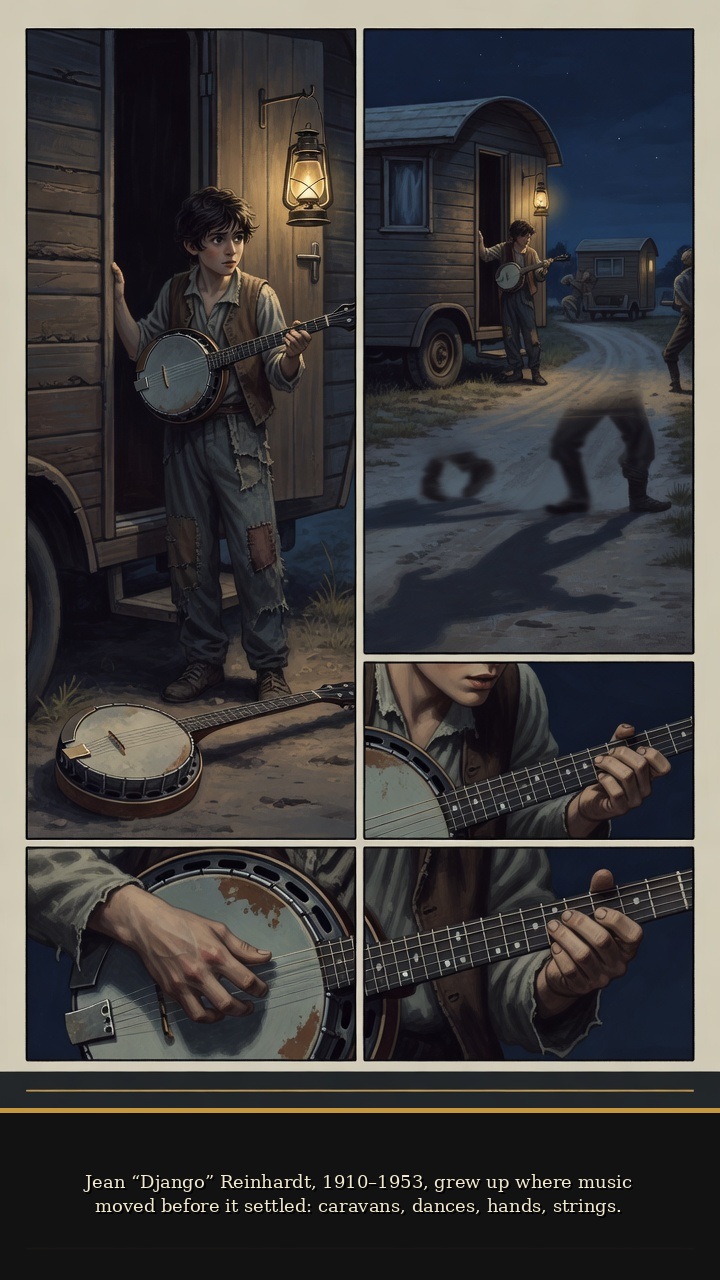
The guitarist whose burned hand helped invent jazz manouche.
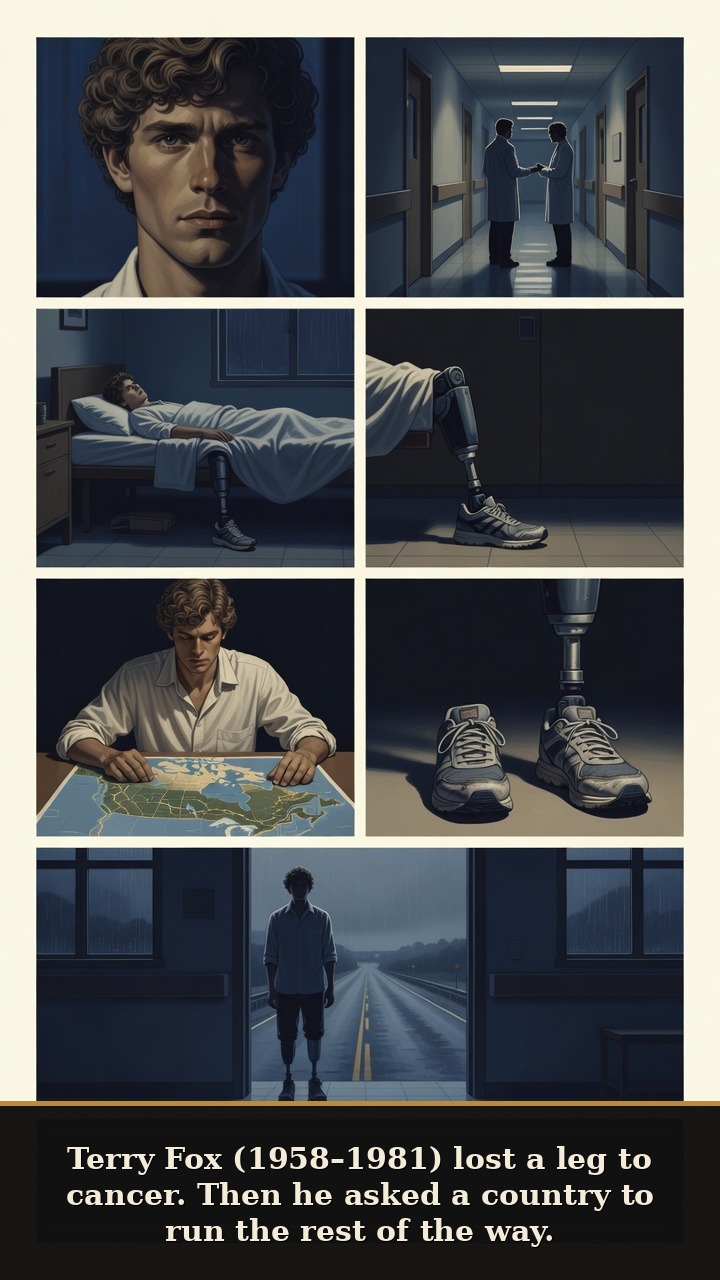
The young runner who turned an amputated leg and an unfinished road into a living cancer-research movement.
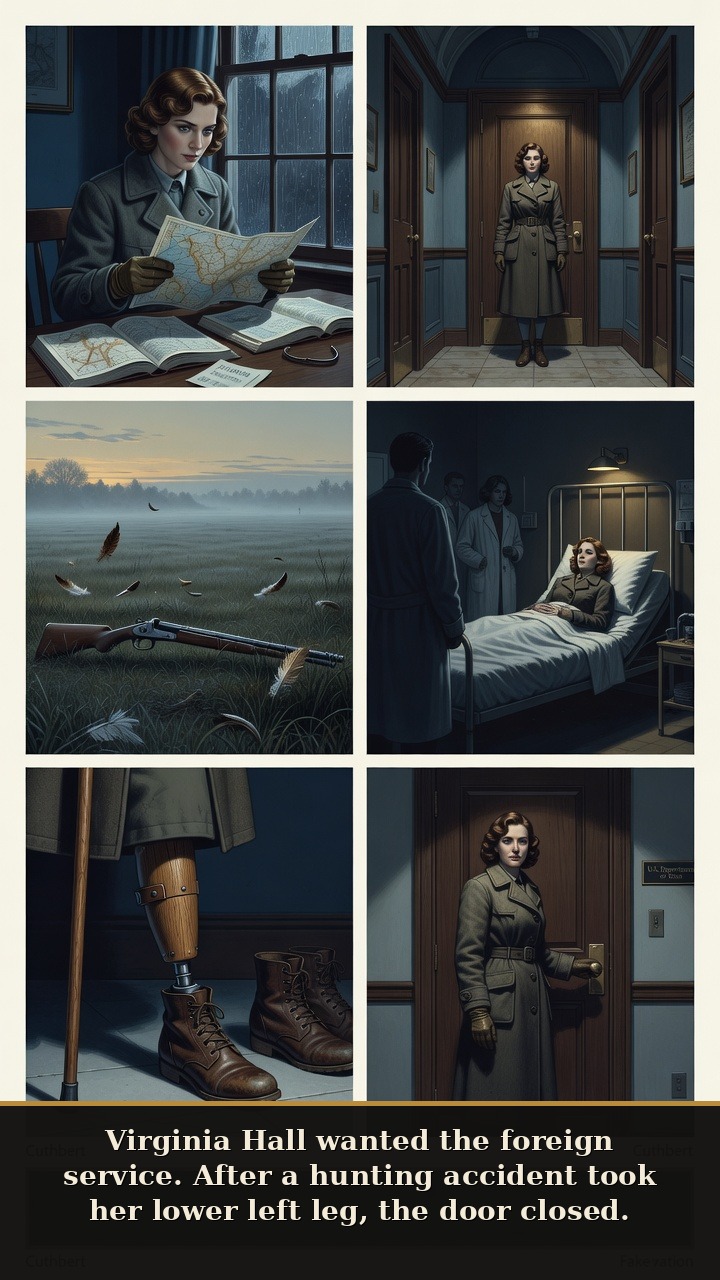
The spy who turned a wooden leg, a radio, and a network into Allied resistance.
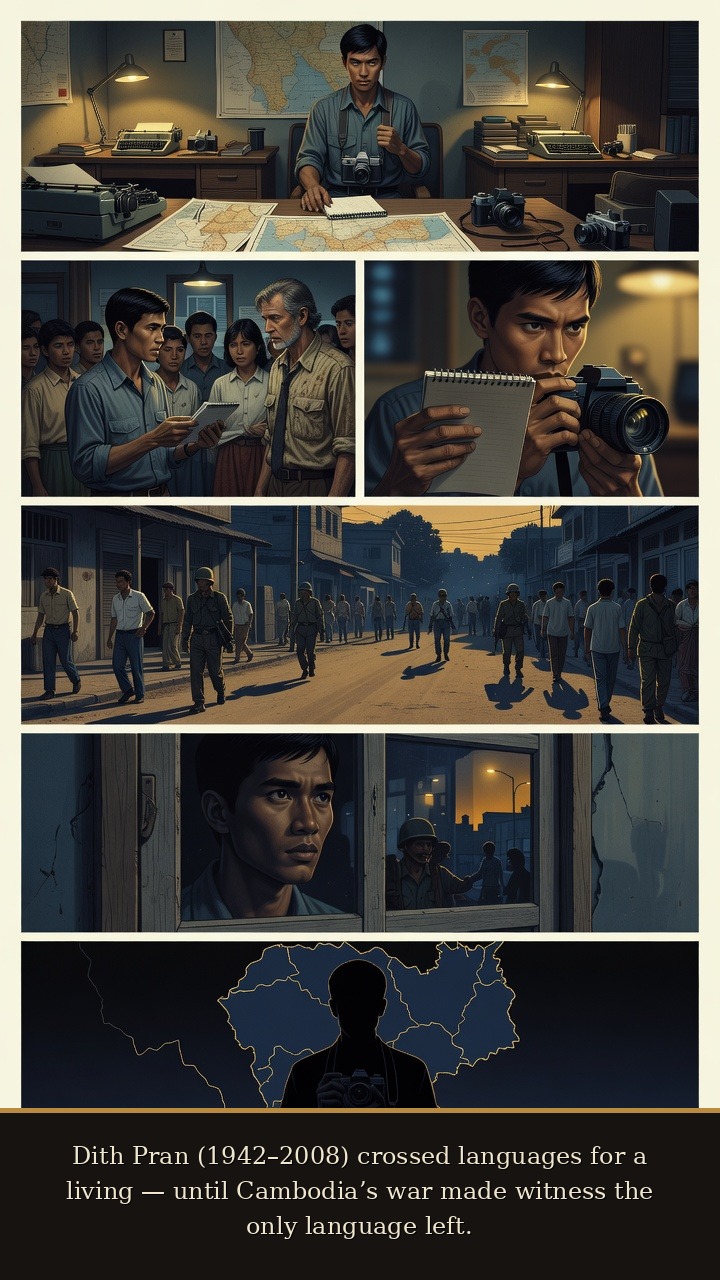
The Cambodian photojournalist who survived genocide and turned memory into witness.
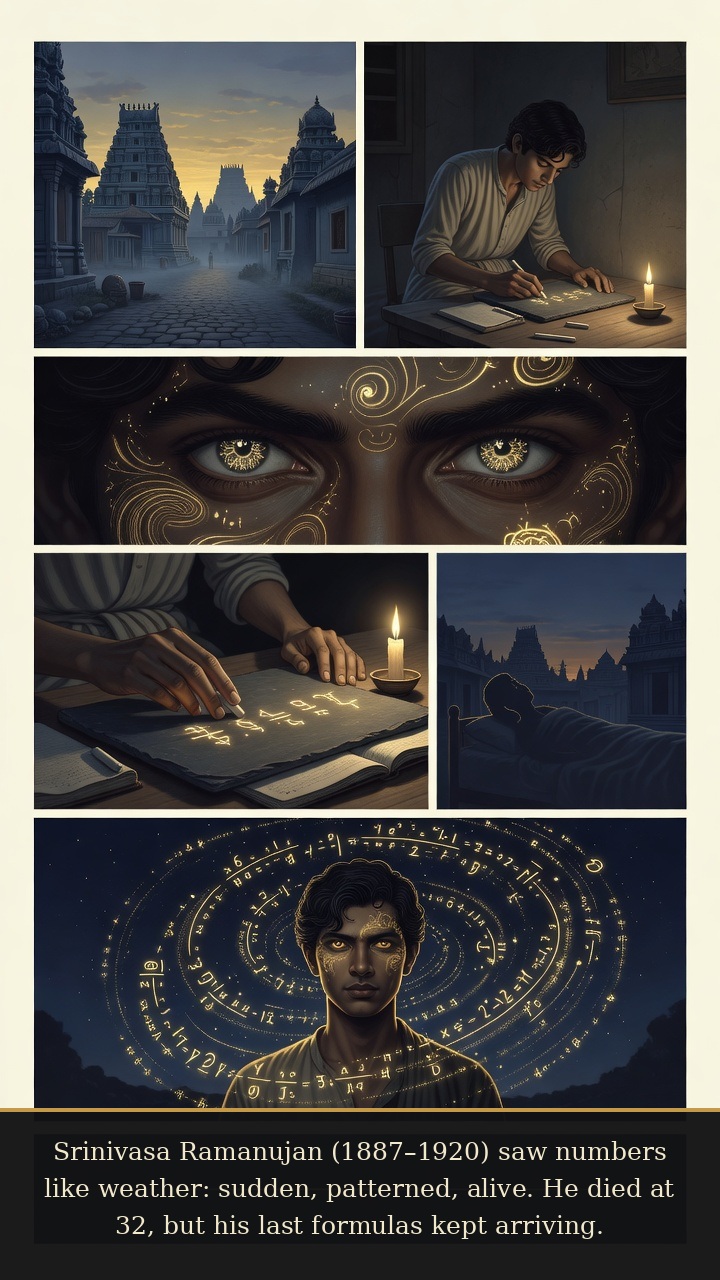
The dying mathematician whose last formulas kept opening doors.
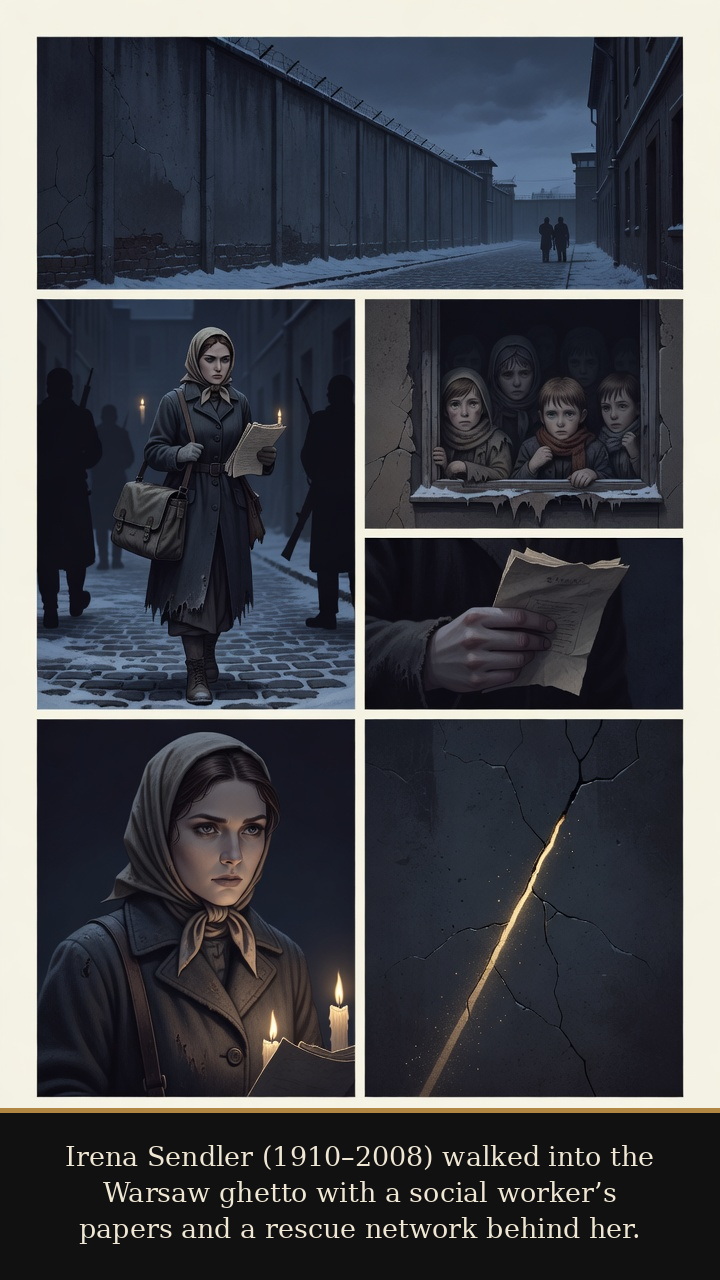
The Polish social worker who helped smuggle children from the Warsaw ghetto — and hid their real names in jars.
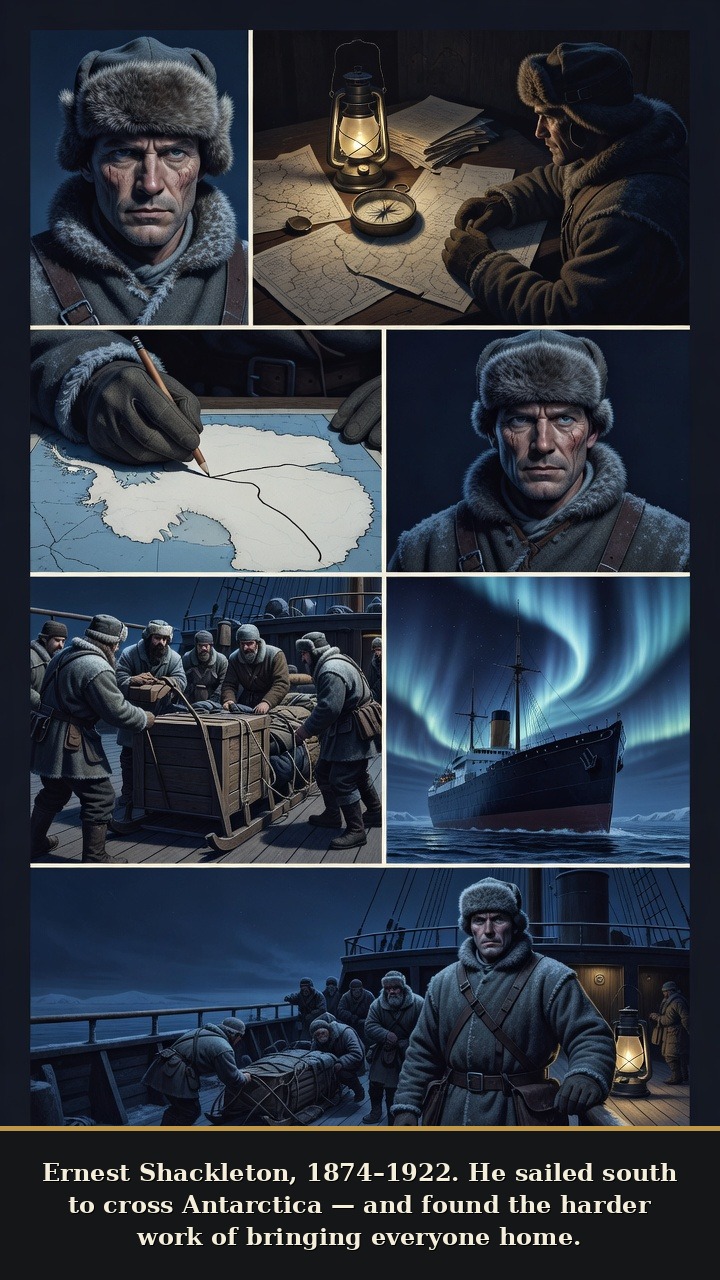
The Antarctic explorer whose failed crossing became one of history’s clearest studies in leadership: when Endurance sank, he brought every man home alive.
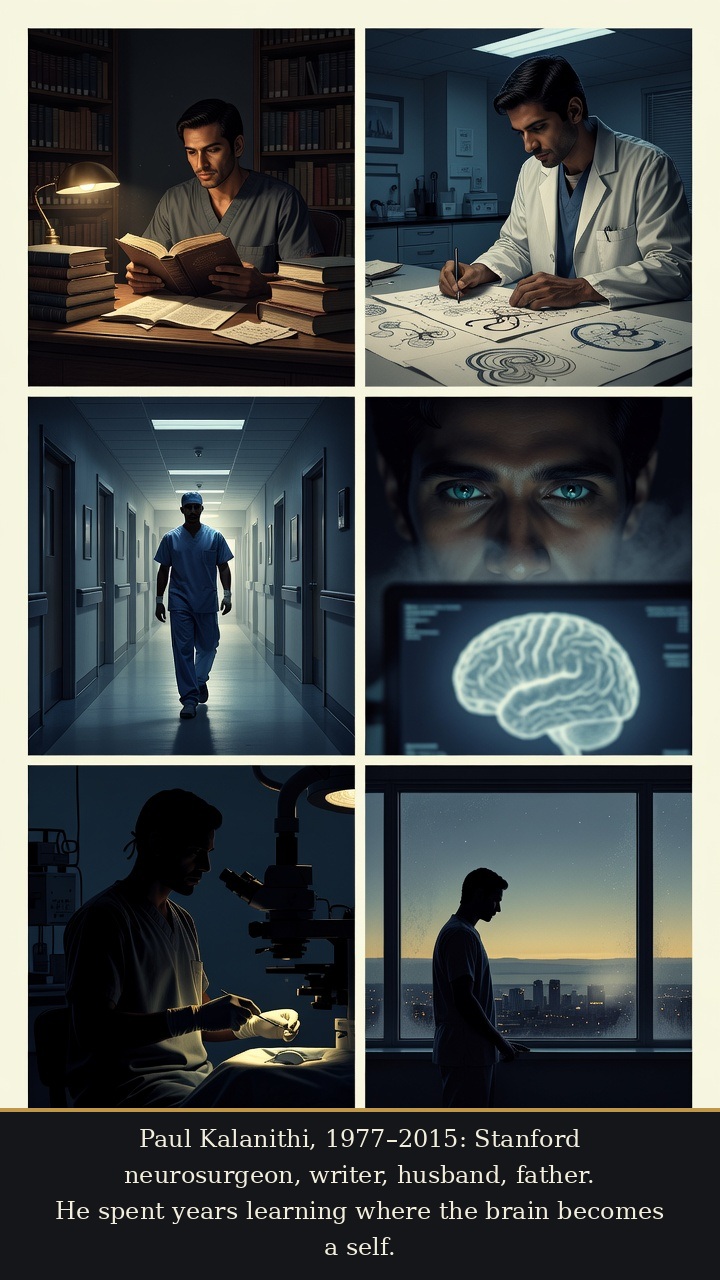
Stanford neurosurgeon and writer whose posthumous memoir turned a terminal diagnosis into a lucid witness on medicine, mortality, fatherhood, and meaning.
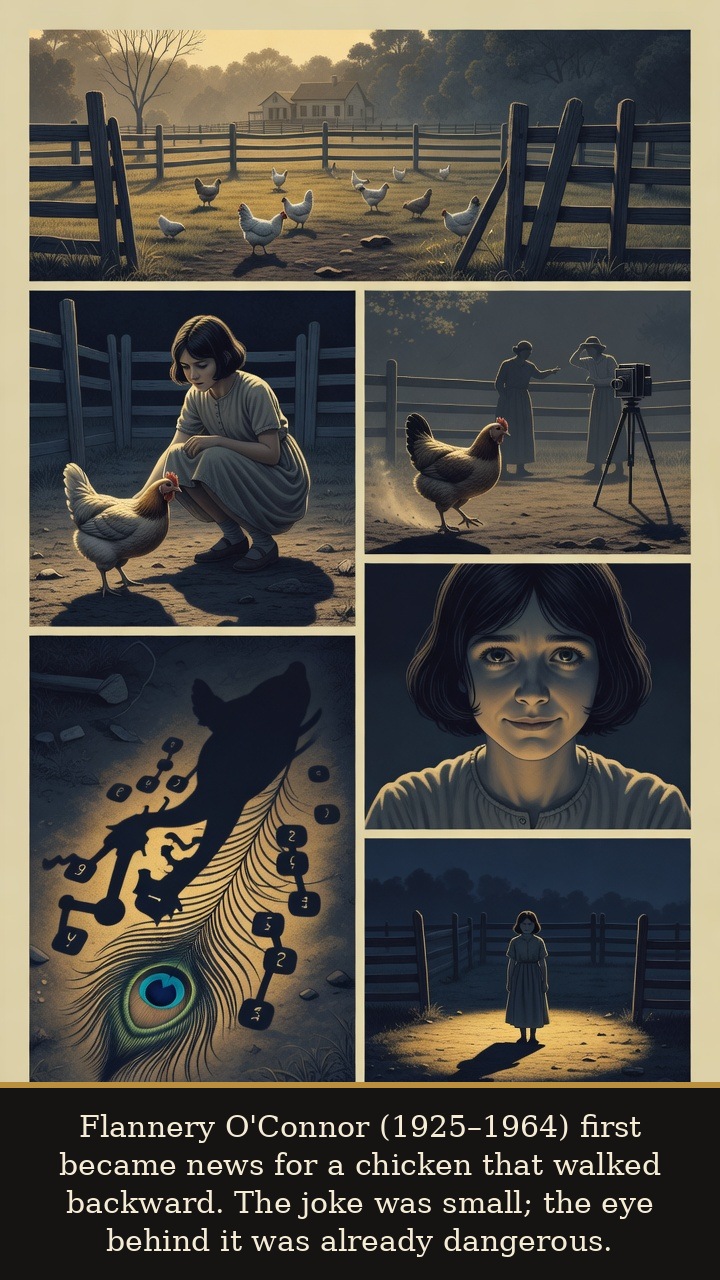
The Southern Gothic writer who made a shortened life speak in hard comic grace.
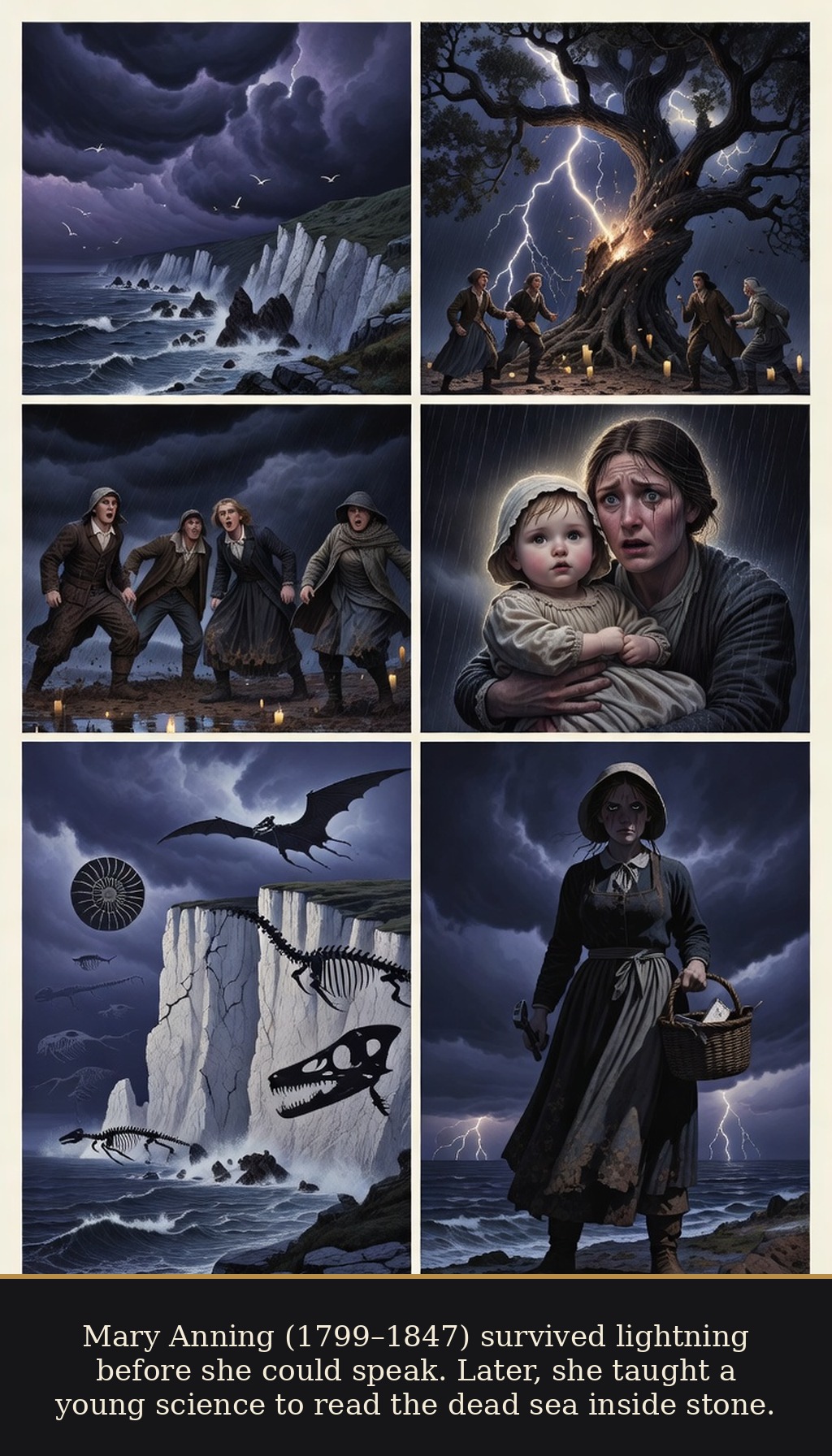
The fossil hunter who survived lightning and taught science to read deep time.
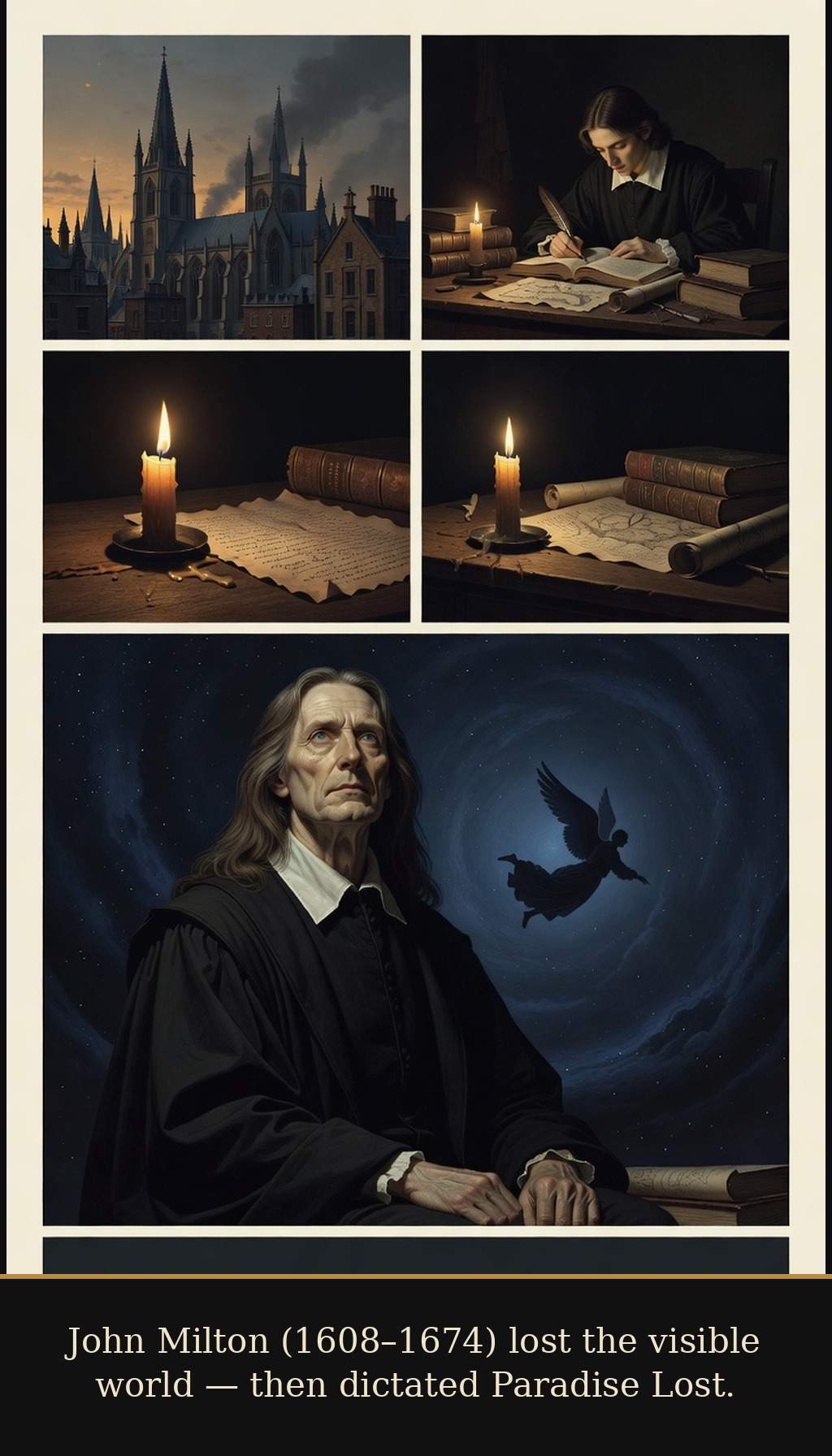
The blind poet who dictated Paradise Lost after sight failed.
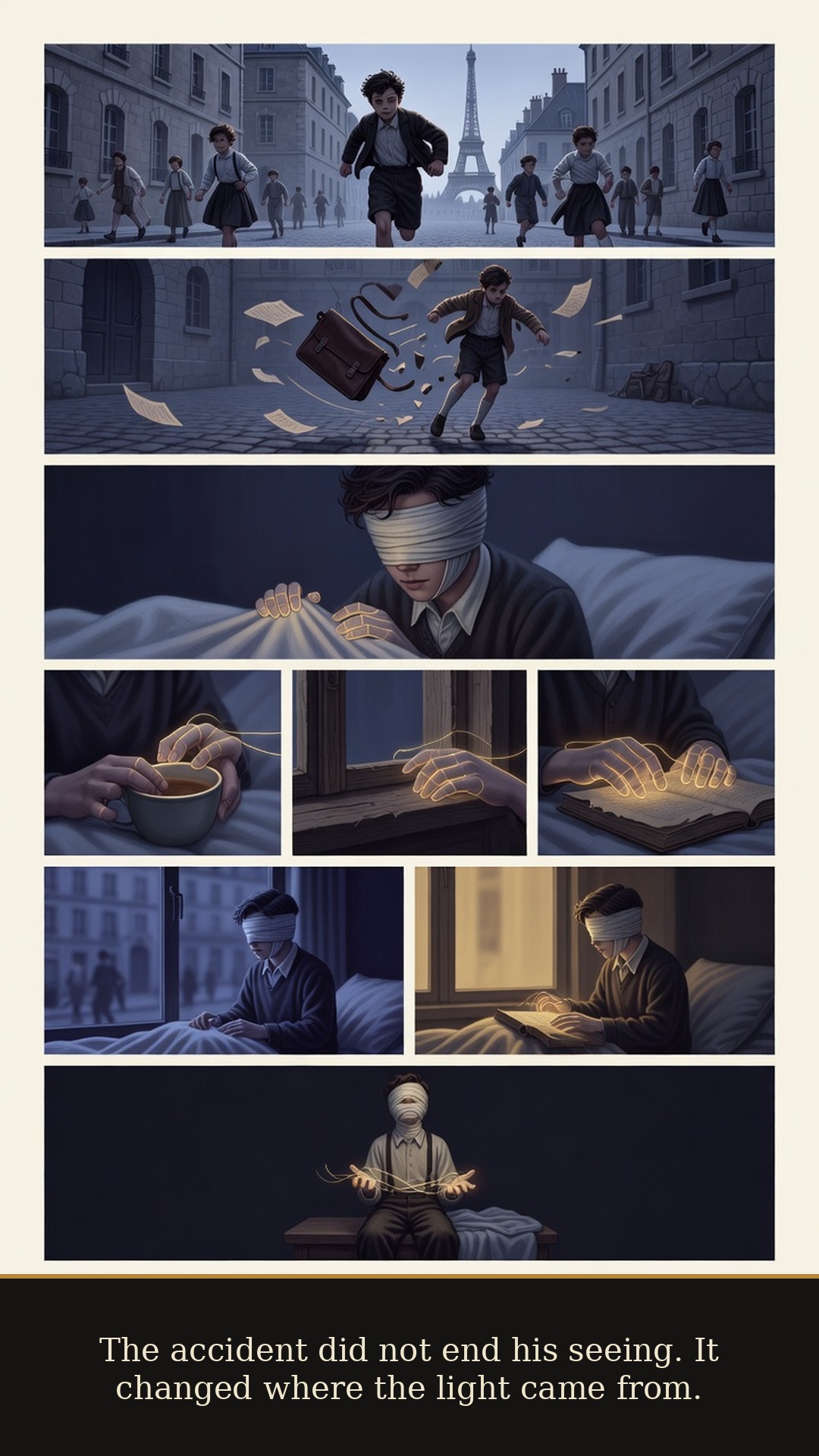
Blind French Resistance organizer, Buchenwald survivor, and author of And There Was Light.
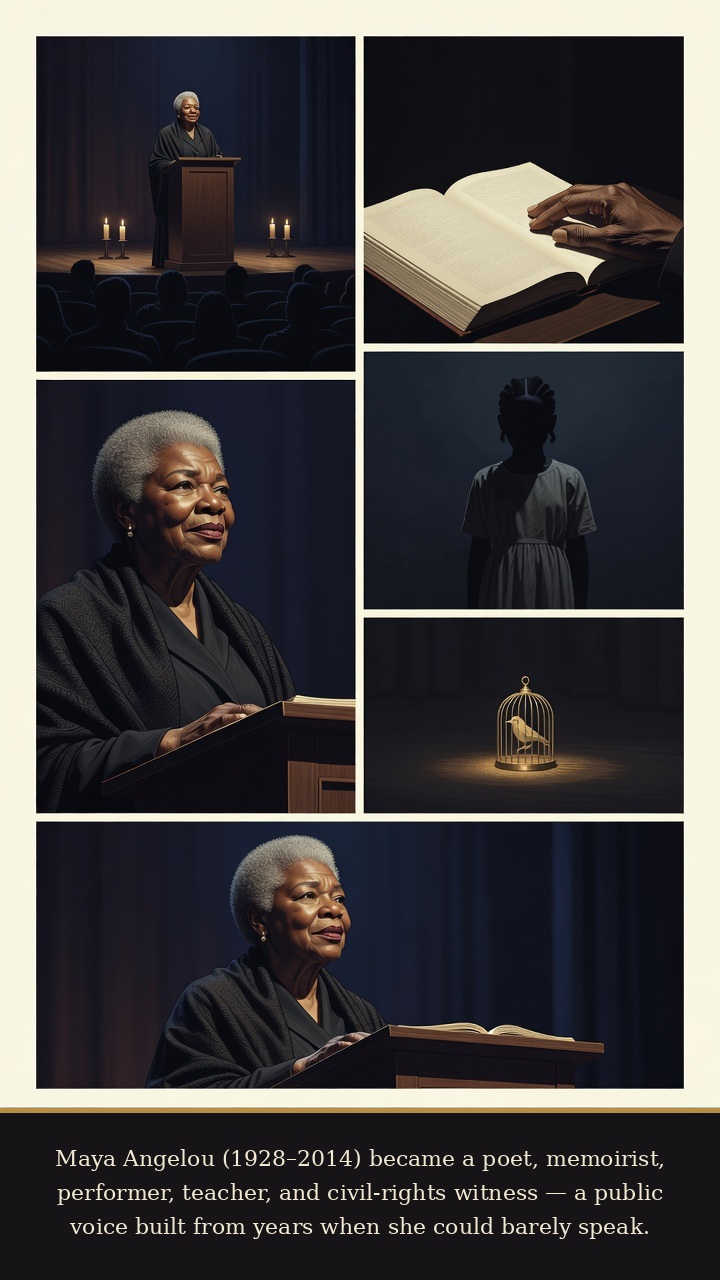
The poet who turned years of silence into a public language of survival.
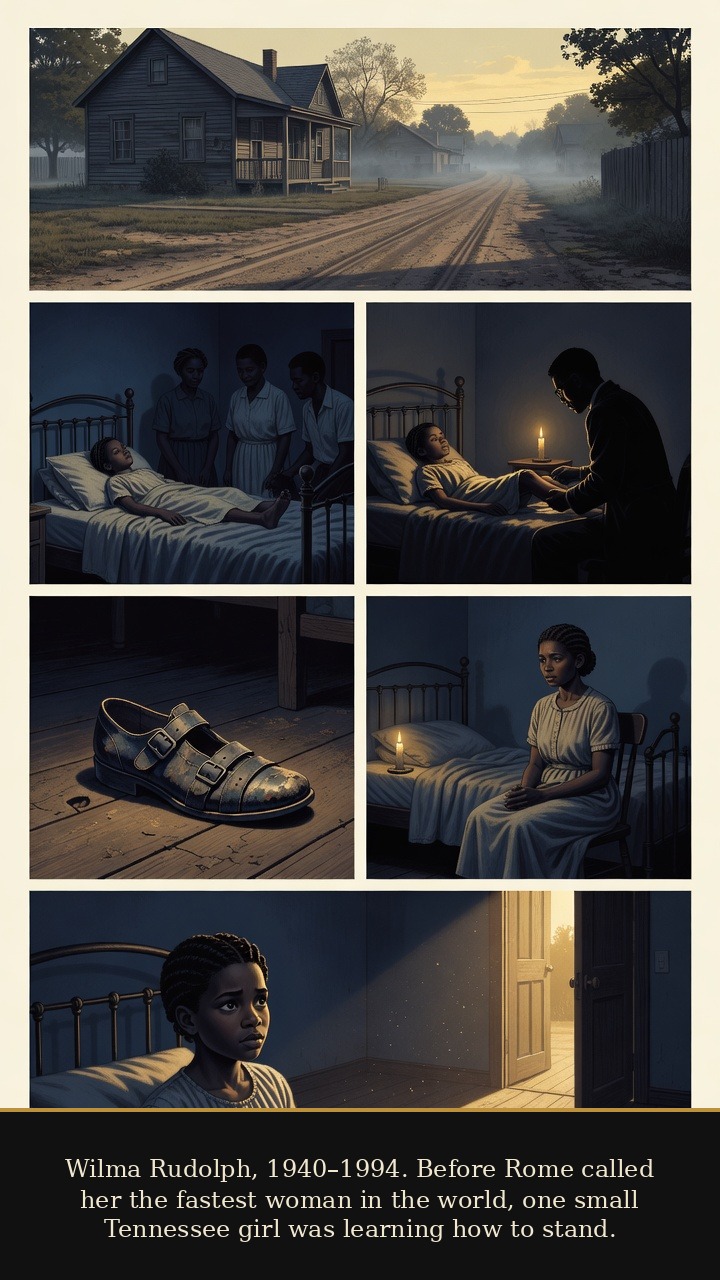
A child marked by polio became the first American woman to win three track-and-field gold medals at one Olympics.
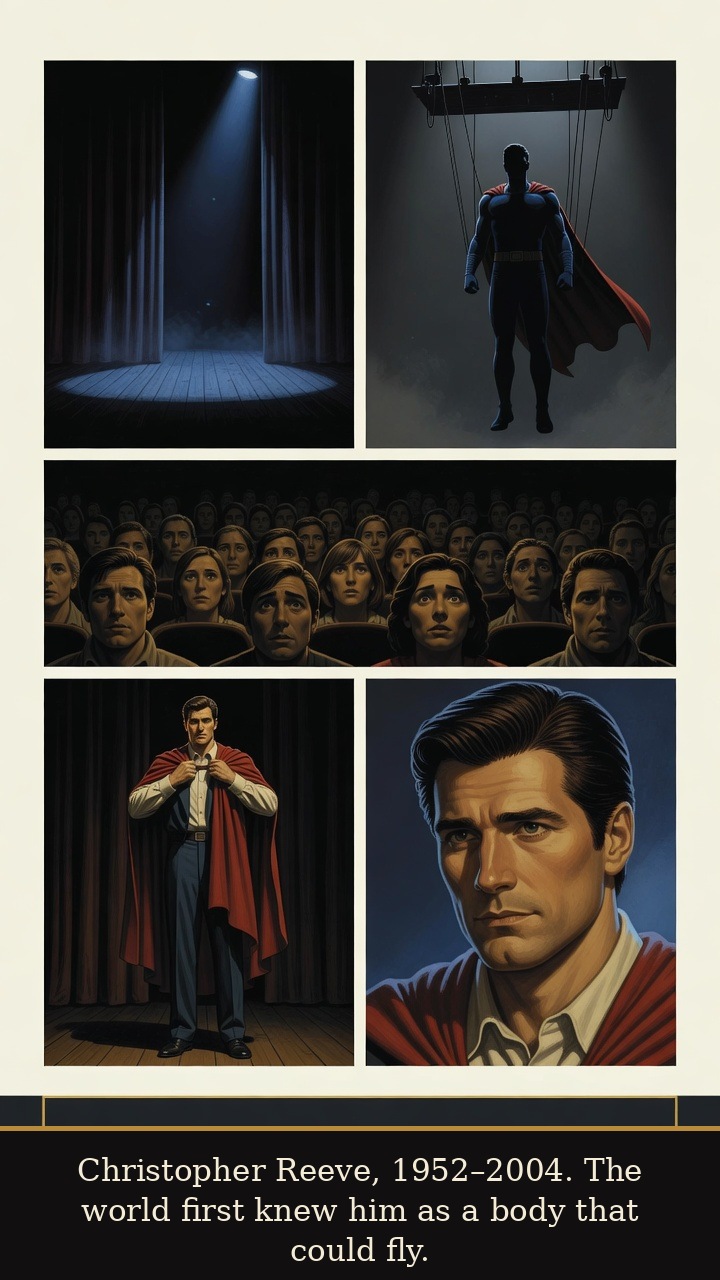
American actor and disability advocate who turned life after a 1995 spinal-cord injury into a public fight for paralysis research, access, and dignity.
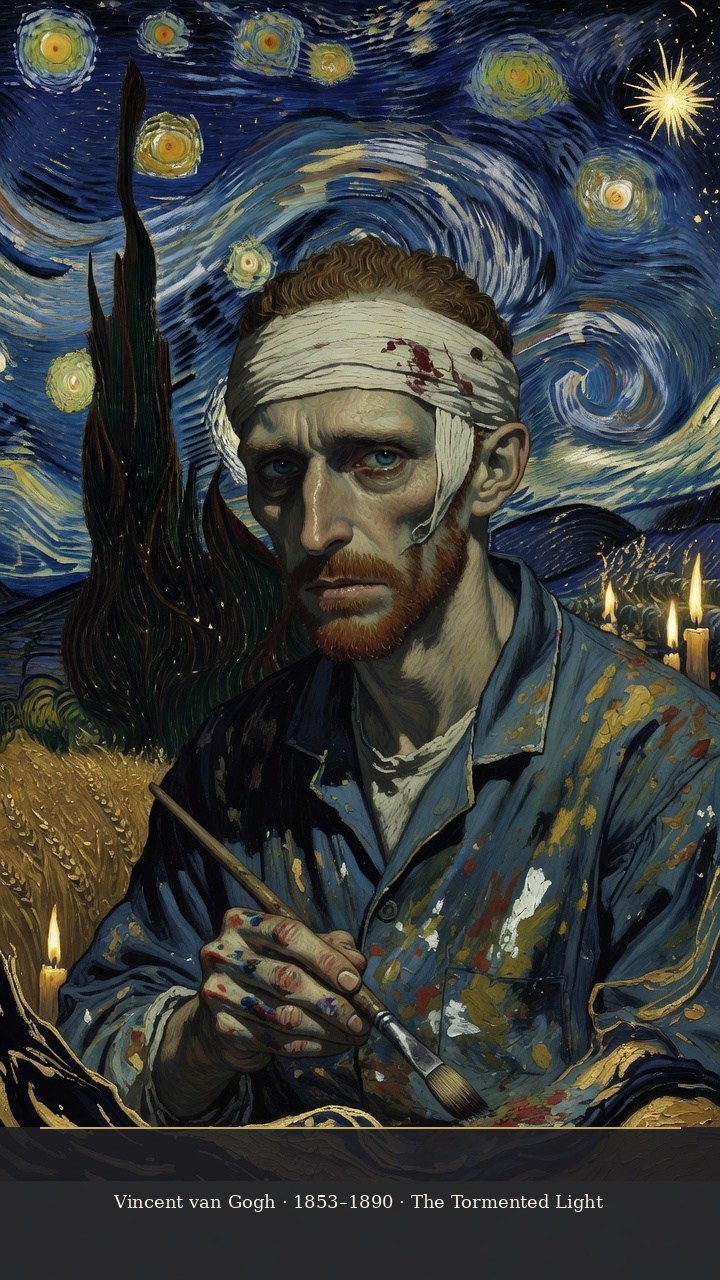
Dutch Post-Impressionist painter who created over 2,000 artworks in a decade, most in the final years before his death at 37.
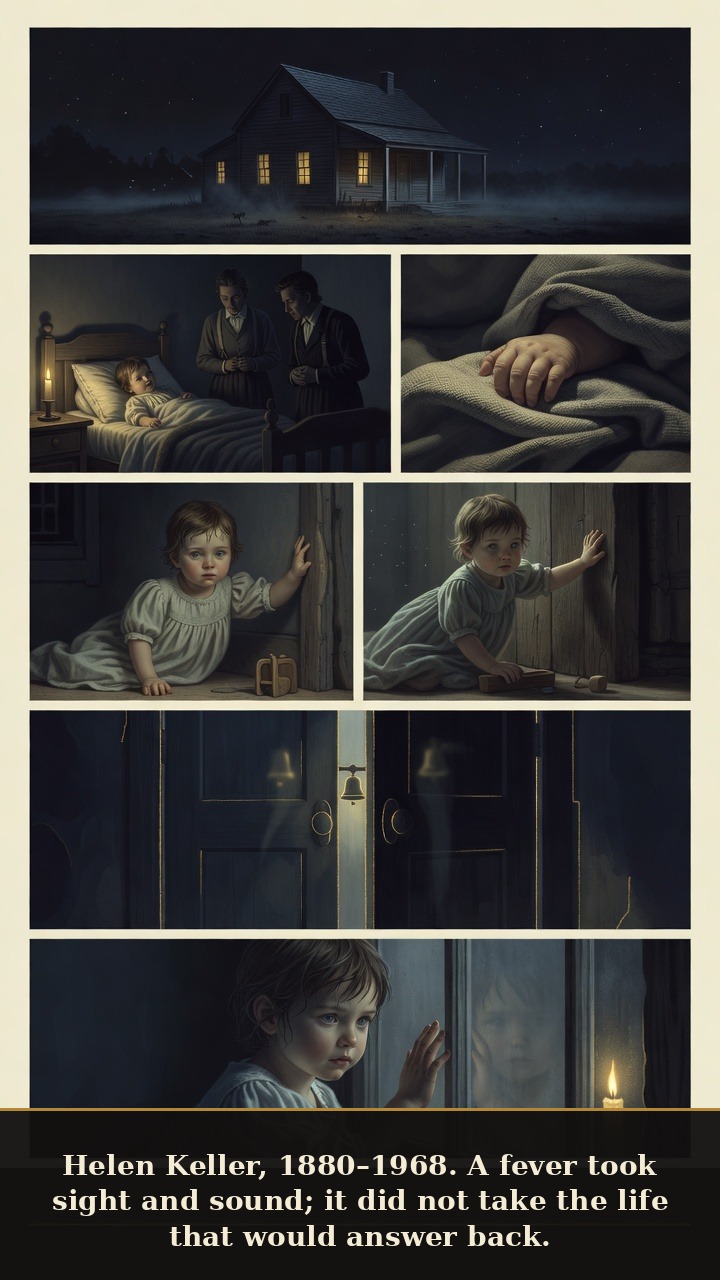
A fever closed sight and sound; touch reopened the world.
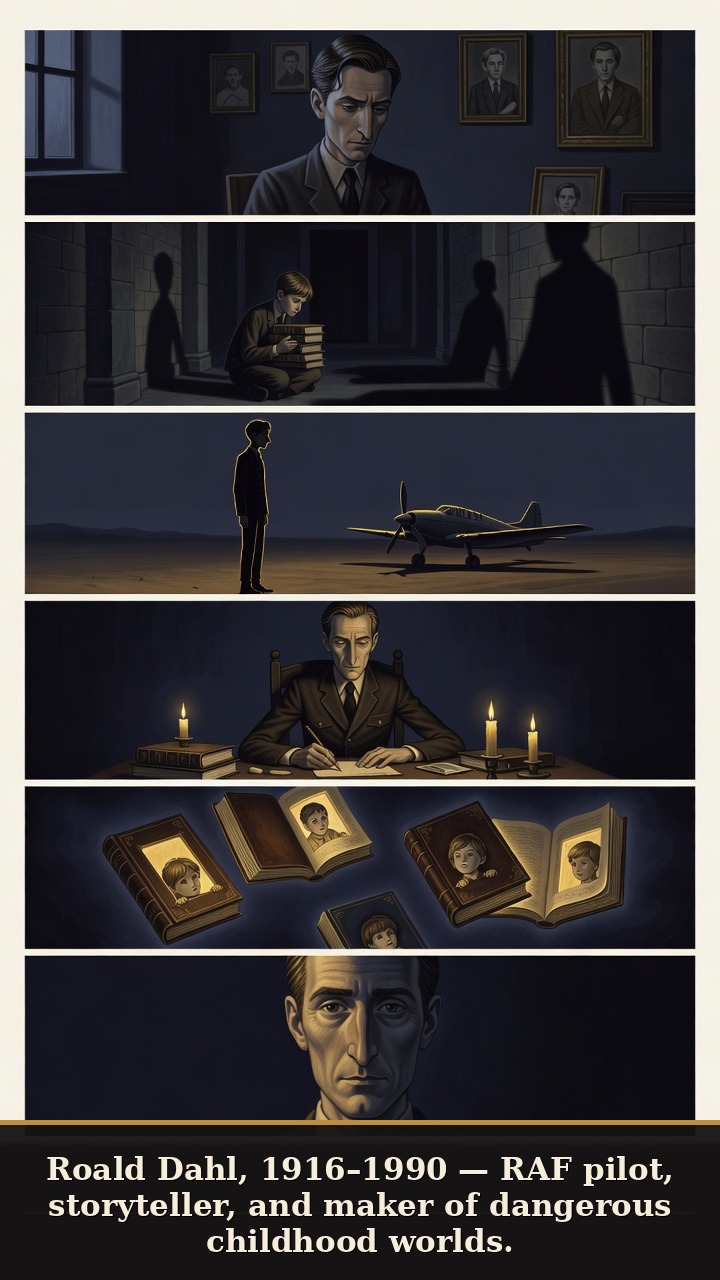
The pilot who survived the desert and gave children dangerous stories.
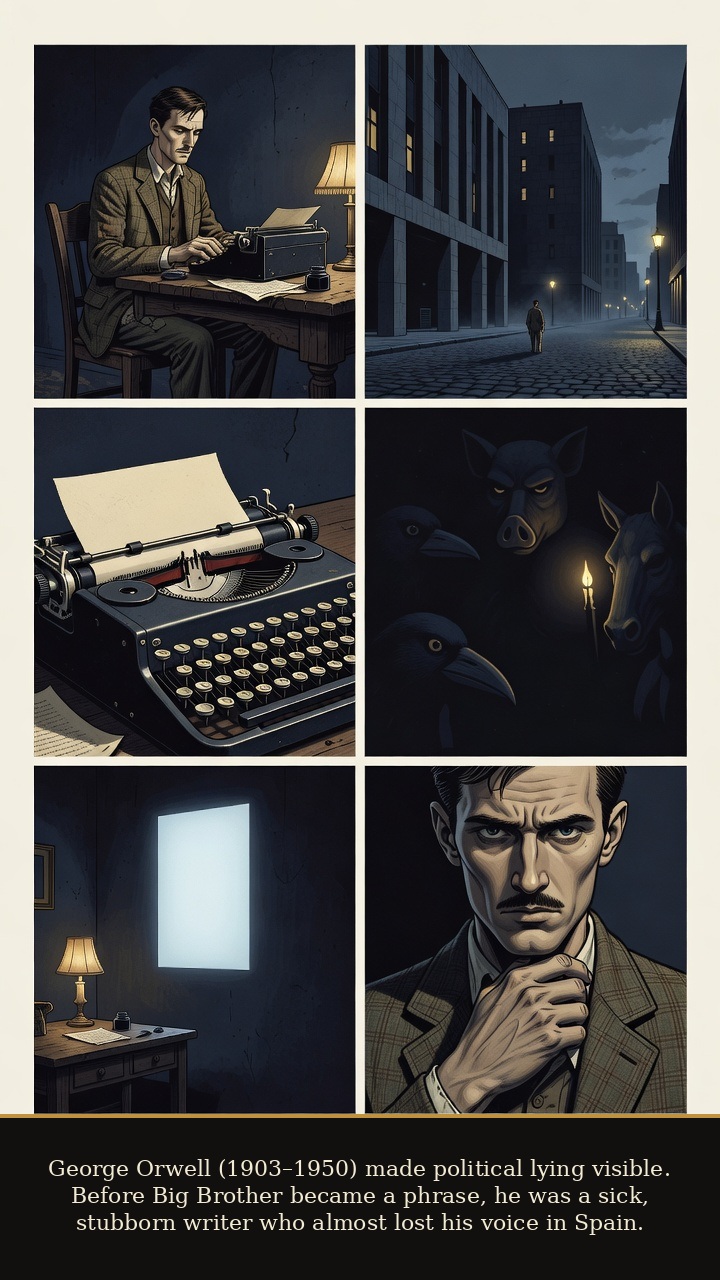
The writer who survived a bullet through the throat and gave power a name.
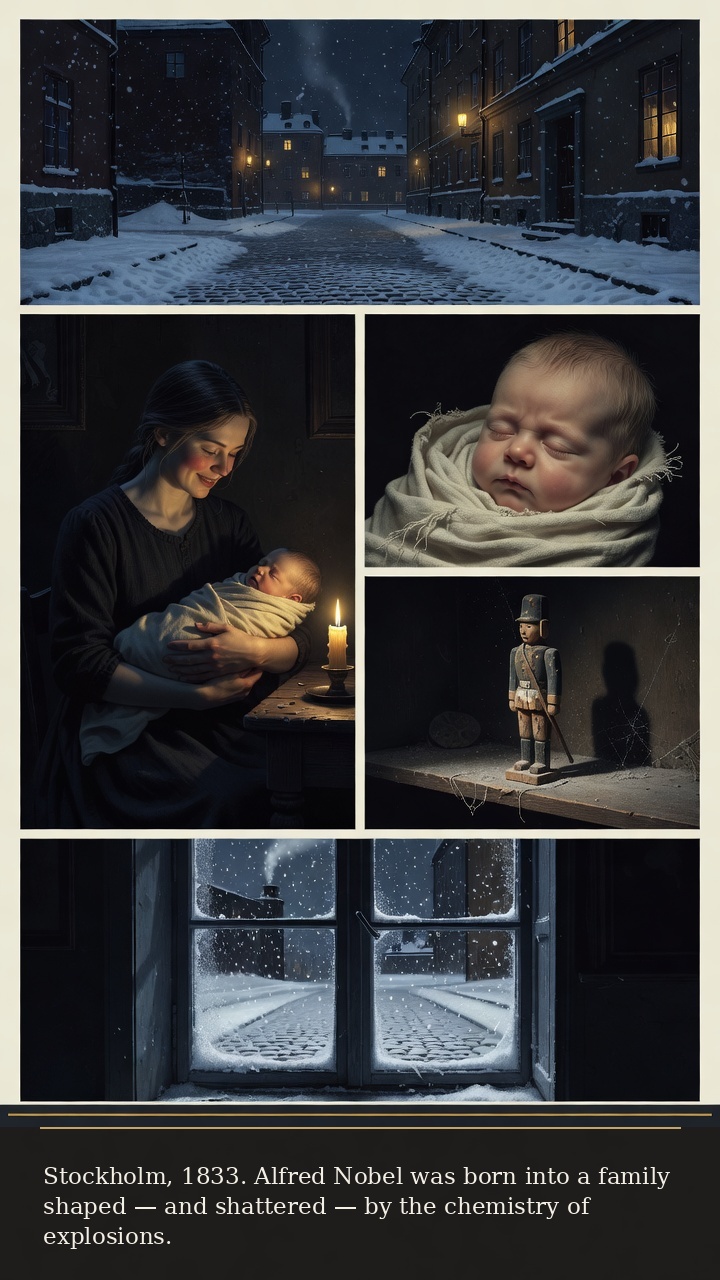
Swedish chemist who invented dynamite, read his own premature obituary, and rewrote his legacy by founding the Nobel Prizes.
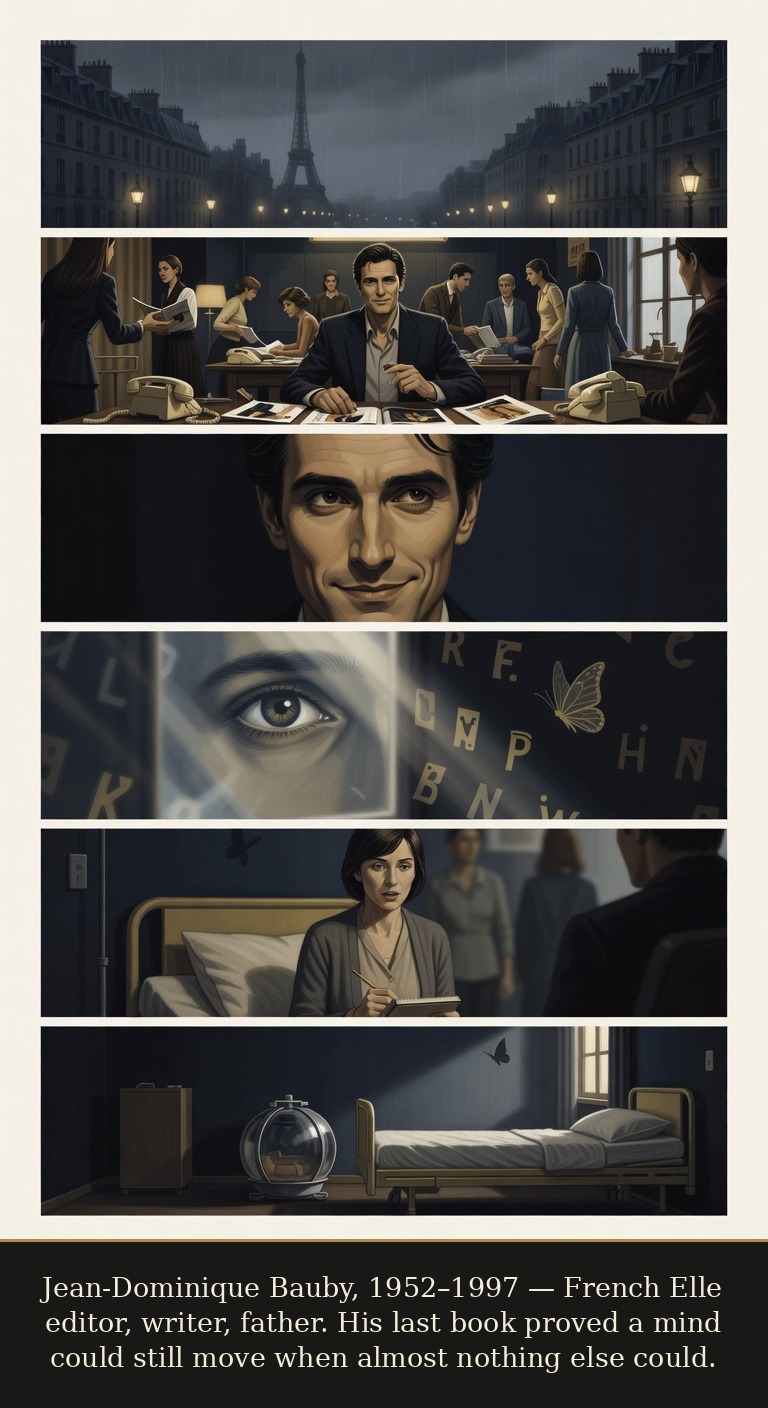
French Elle editor who dictated a landmark memoir one eyelid blink at a time.
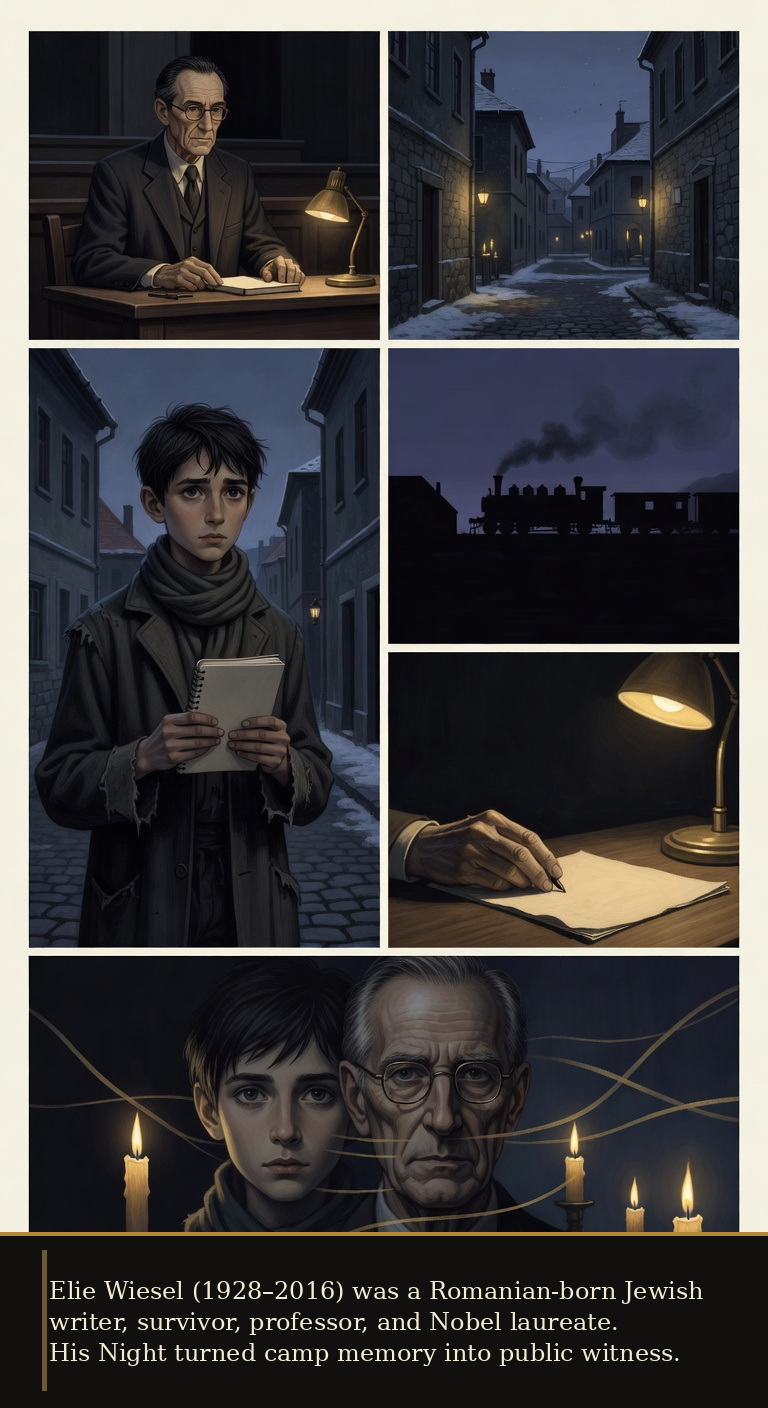
Romanian-born Jewish writer, Holocaust survivor, professor, and Nobel Peace Prize laureate whose Night made survivor testimony impossible to ignore.
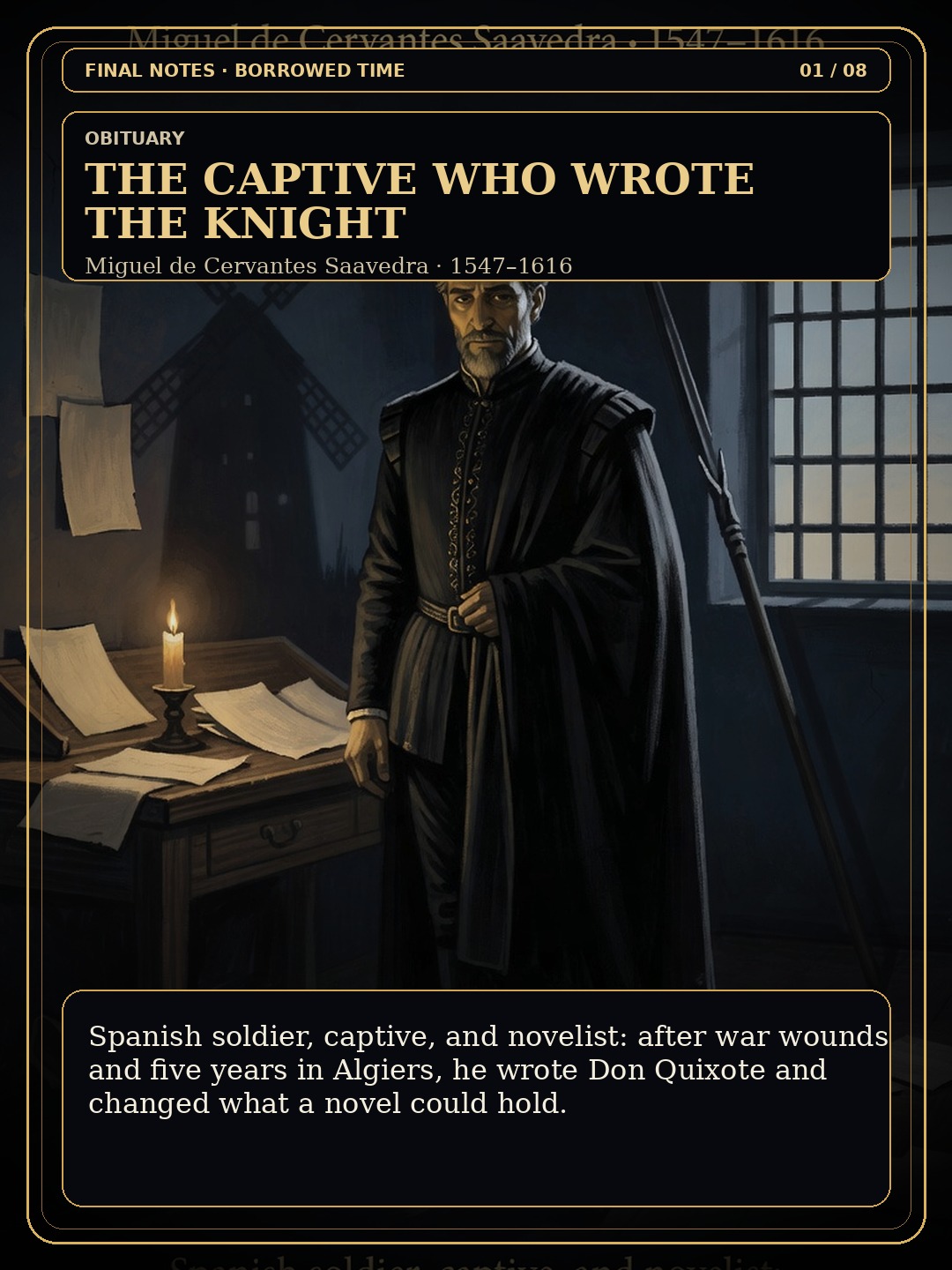
Spanish soldier, captive, playwright, and novelist whose Don Quixote helped invent the modern novel.
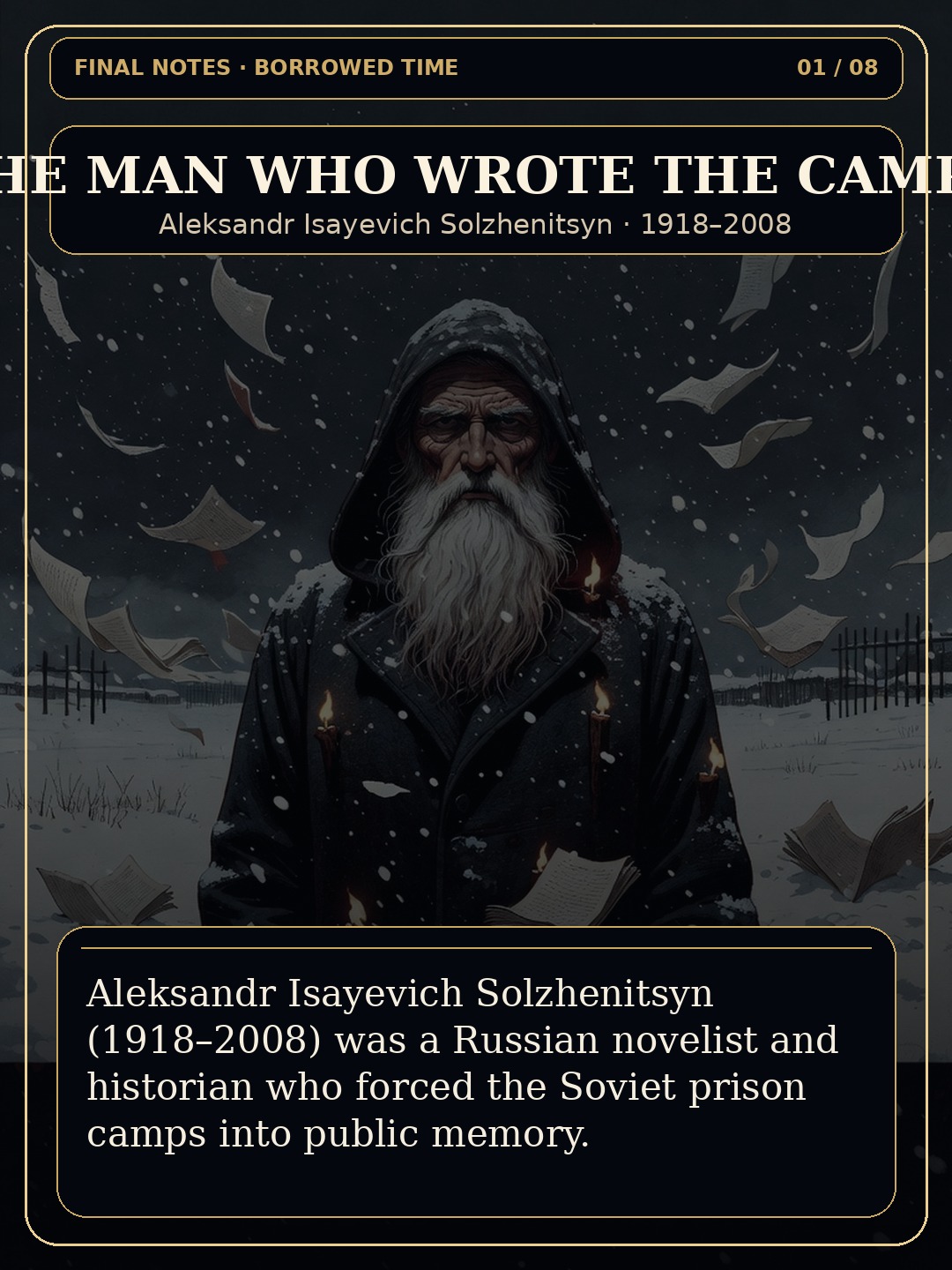
Russian novelist and historian who exposed the Soviet Gulag.
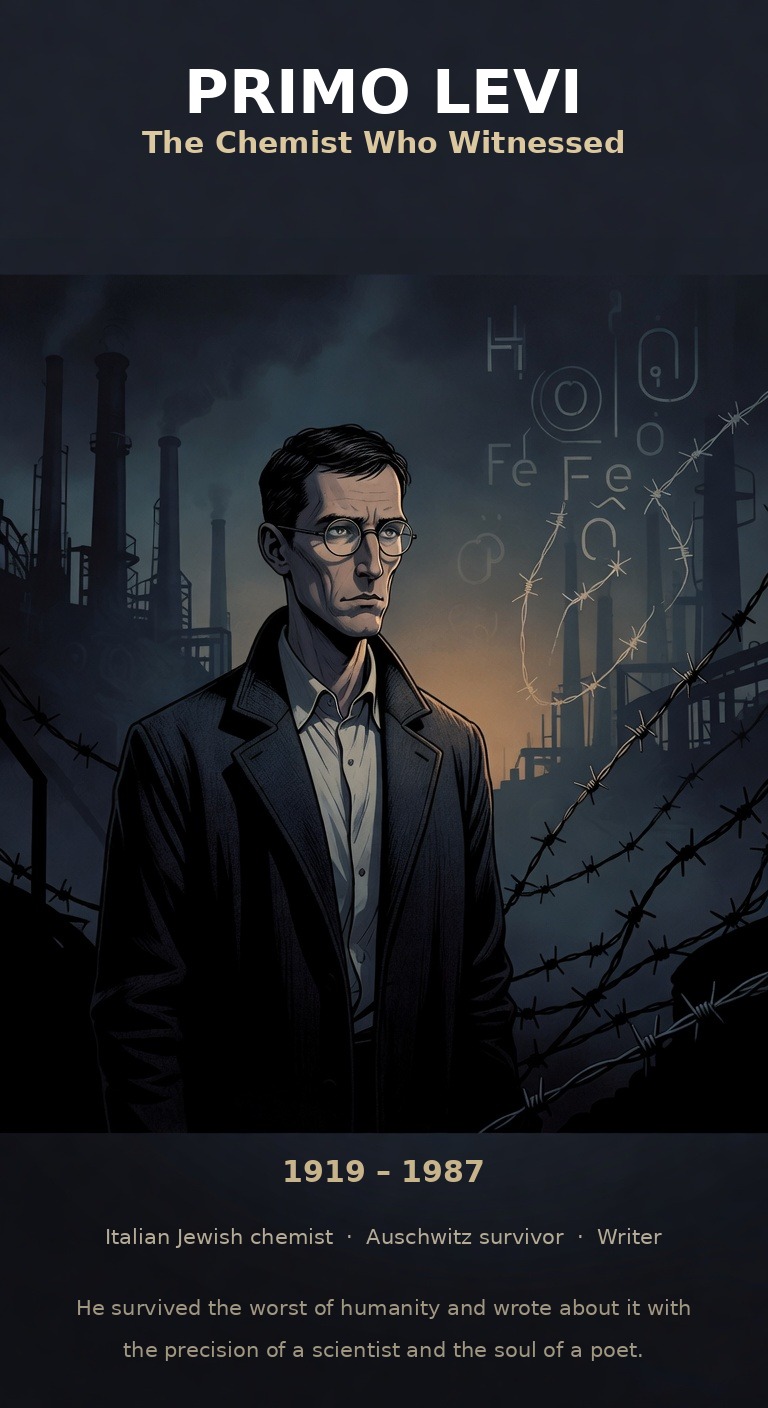
Italian Jewish chemist, Auschwitz survivor, and writer who turned survival into literature
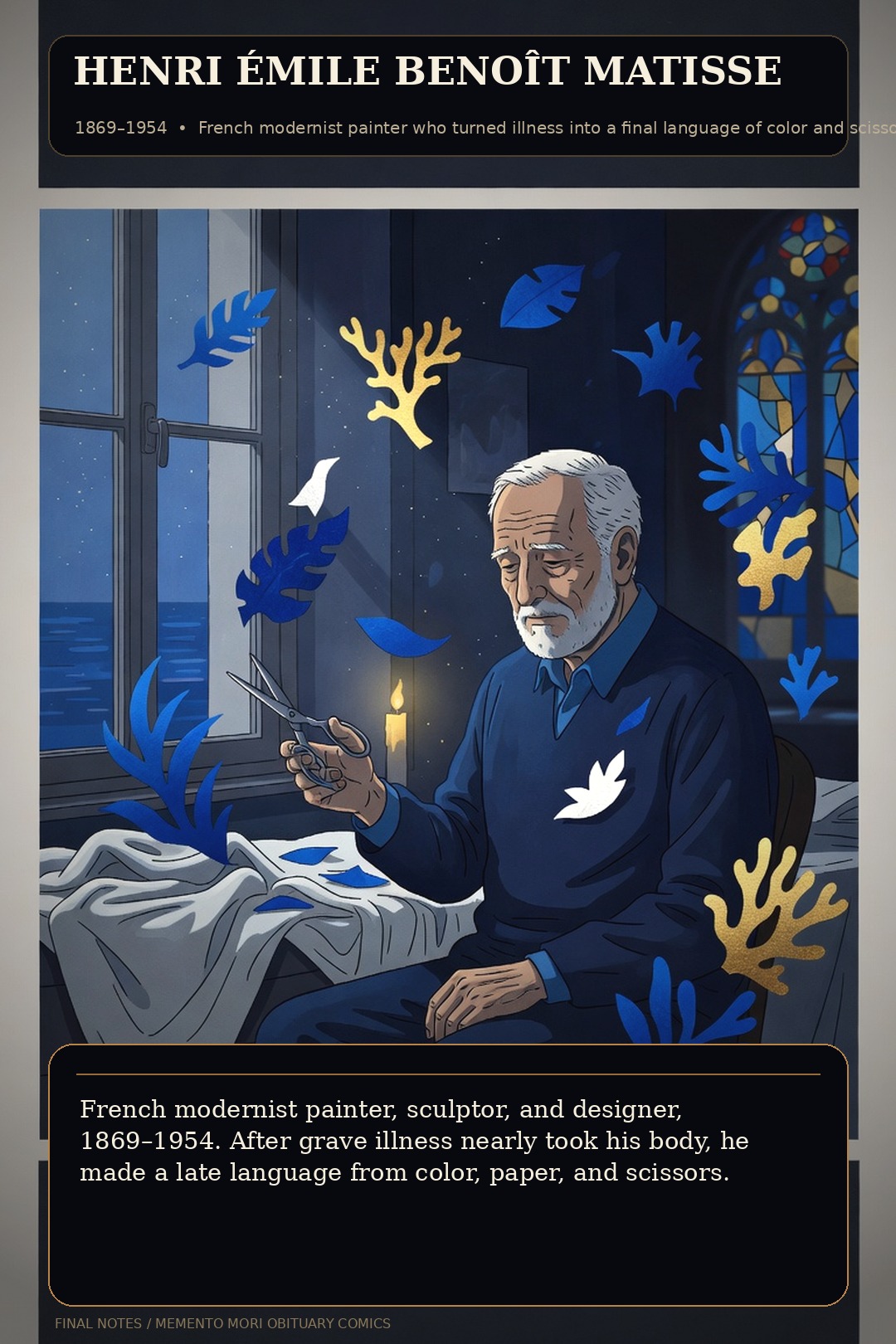
French modernist painter who turned illness into a final language of color and scissors.
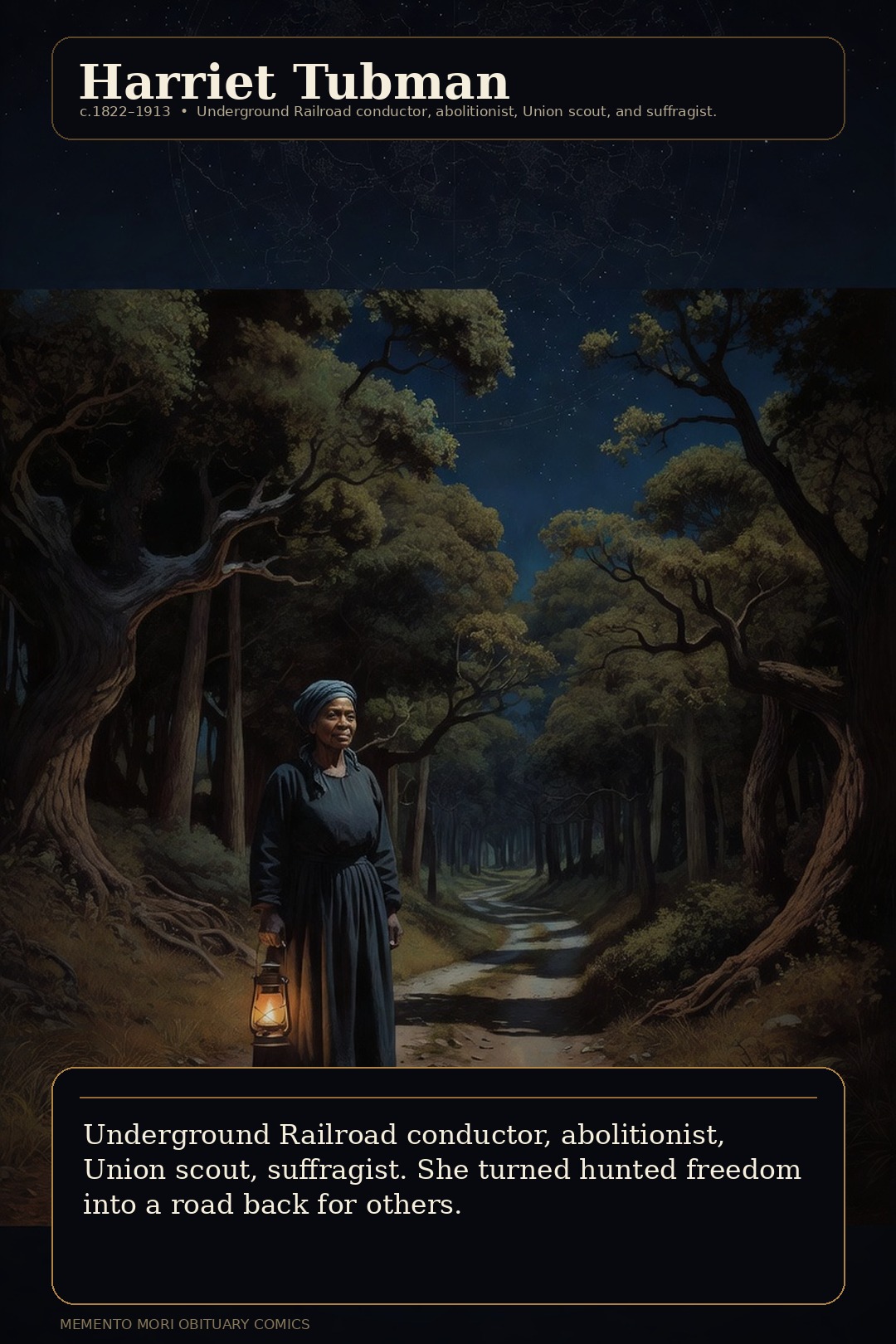
Underground Railroad conductor, abolitionist, Union scout, and suffragist.
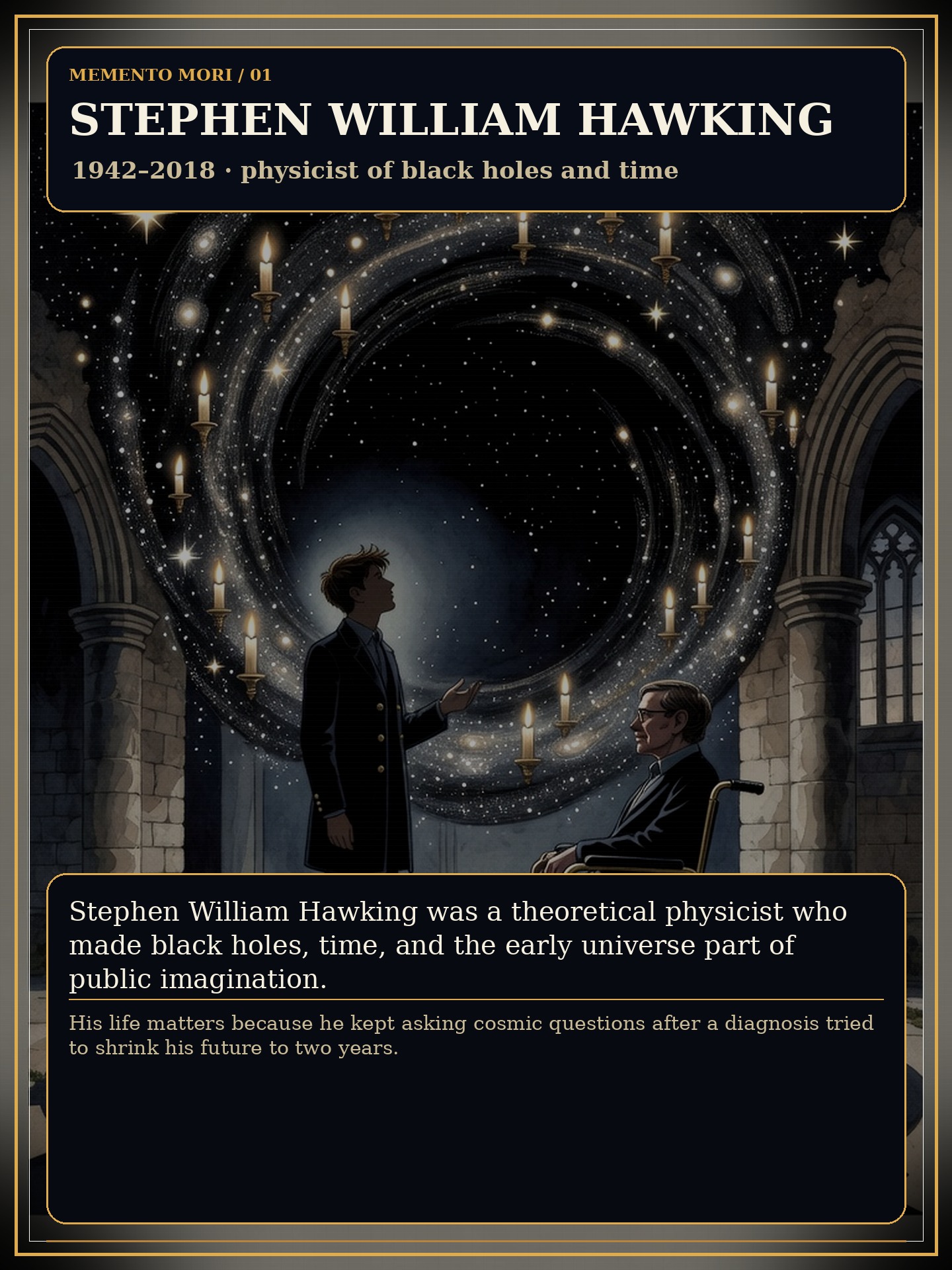
Theoretical physicist and public explainer who kept thinking about black holes, time, and the universe after a terminal diagnosis tried to close the future.
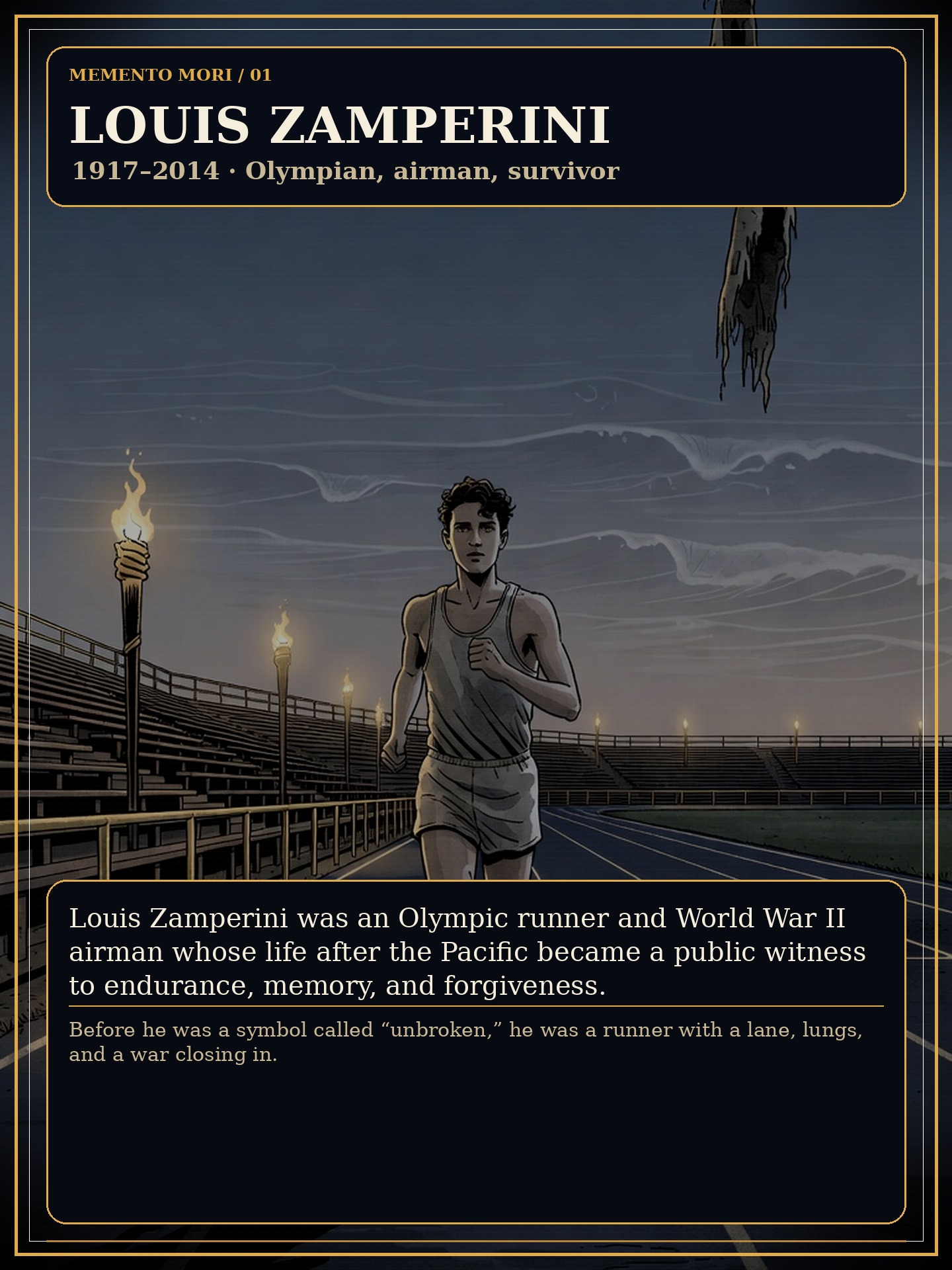
Olympic runner, World War II airman, survivor, and public witness to endurance after the Pacific nearly erased him.
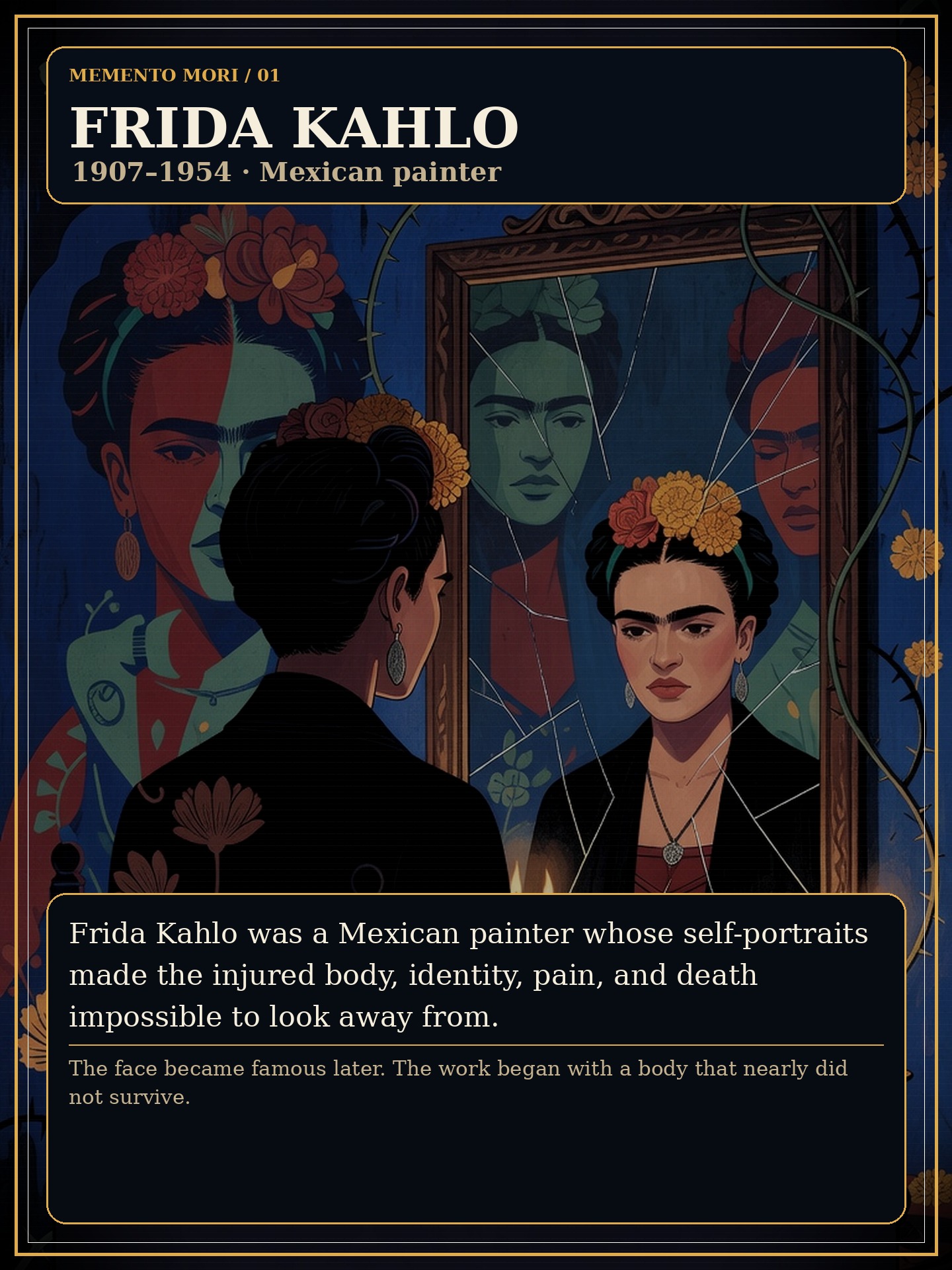
Mexican painter whose self-portraits made pain, identity, the body, and death modern art's evidence.
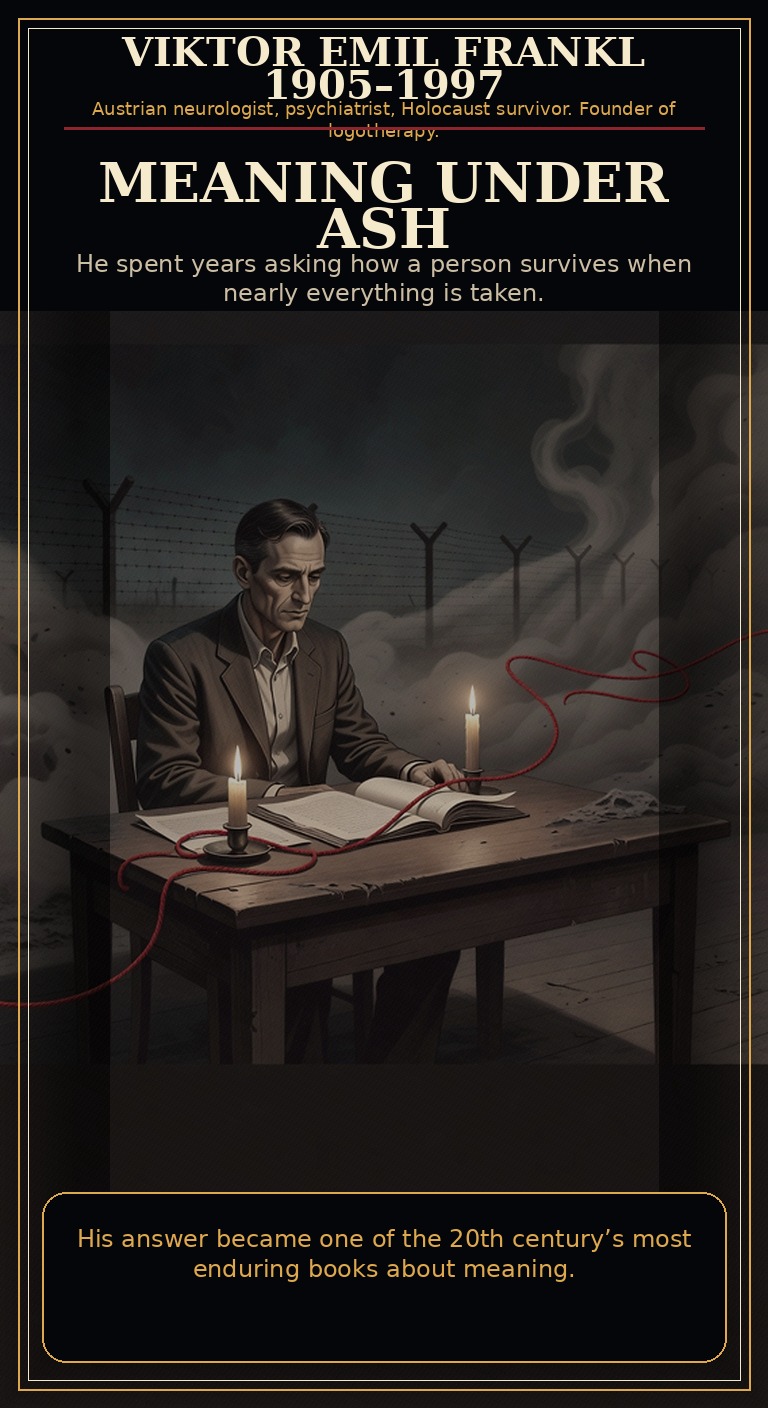
Austrian neurologist, psychiatrist, Holocaust survivor, and founder of logotherapy.
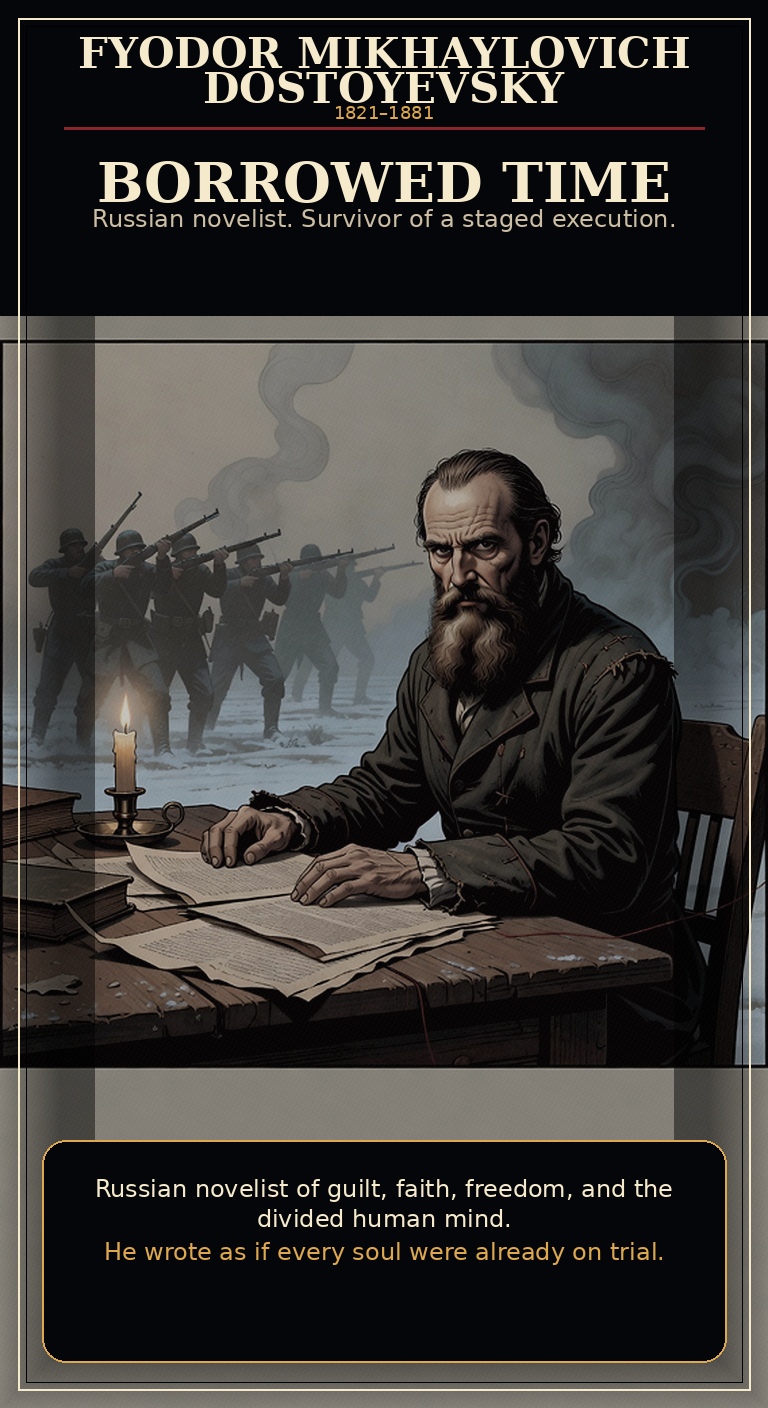
Russian novelist. Survivor of a staged execution.
Short visual biographies built for readers and crawlers.
Memento Mori Obituary Comics publishes compact, source-backed stories about artists, thinkers, athletes, and witnesses whose work was shaped by a direct encounter with mortality. Each entry keeps the comic pages as the primary reading experience, then adds crawlable summaries, dated context, source links, PDF access, and structured data so search engines and AI systems can understand the subject without relying on image OCR. Start with the obituary stories and articles index, or read what obituary comics are.