Who was Betye Saar, and what is this comic about?

Betye Saar (1926–2026) was verified through Encyclopaedia Britannica, the Los Angeles Times, PBS NewsHour, and The Art Newspaper. Britannica confirms that she was born in Los Angeles on July 30, 1926, died there on July 26, 2026, and became an American artist and educator renowned for assemblages that lampooned racist attitudes, including Black Girl’s Window and The Liberation of Aunt Jemima. The Los Angeles Times obituary confirms she died in her sleep at 99, days before her centennial, and describes how she transformed racist memorabilia into meditations on slavery, Jim Crow, and Black spirituality. PBS identifies her as a central Black Arts Movement figure who reclaimed found objects as totems of liberation. The Art Newspaper confirms late-life recognition and her focus on spirituality, African American heritage, and the Black female experience. Her worth is the alchemy: discarded objects became witnesses; stereotype became resistance.

Sources
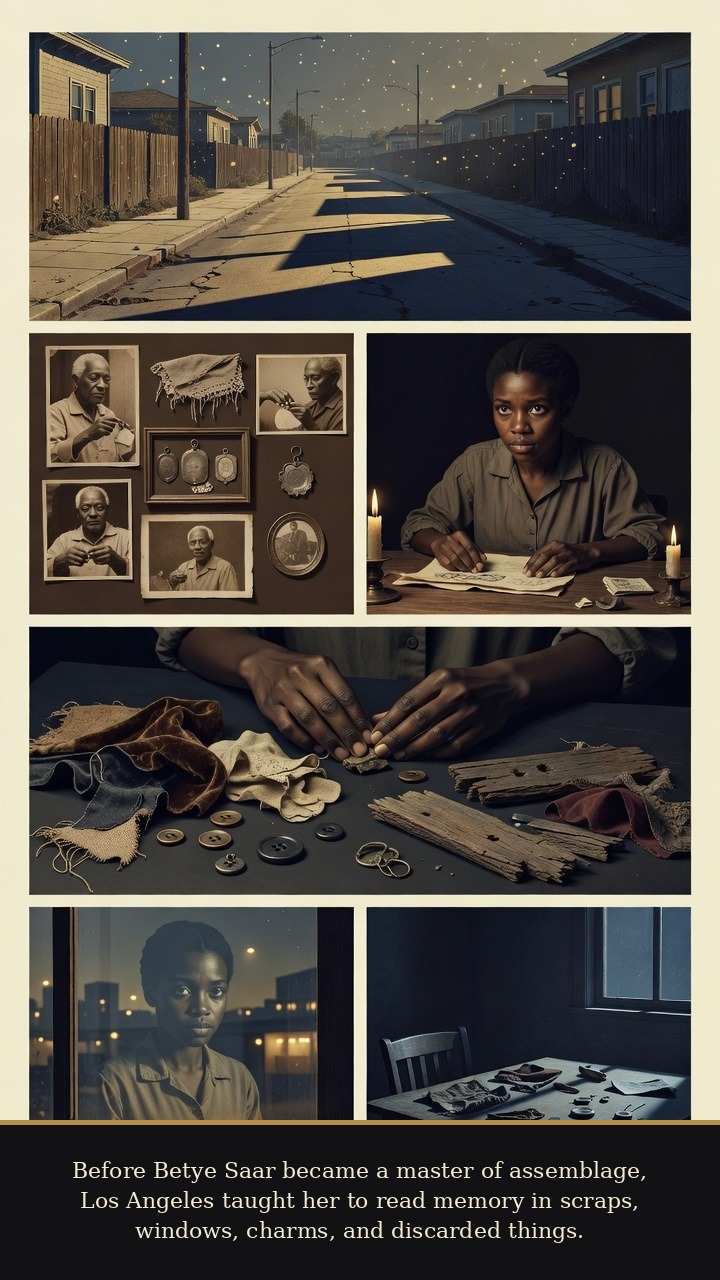
Page 1 of Betye Saar: Betye Saar: Liberation Box - Los Angeles teaches young Betye Saar to read memory in scraps, windows, charms, and discarded things.
Los Angeles teaches young Betye Saar to read memory in scraps, windows, charms, and discarded things.
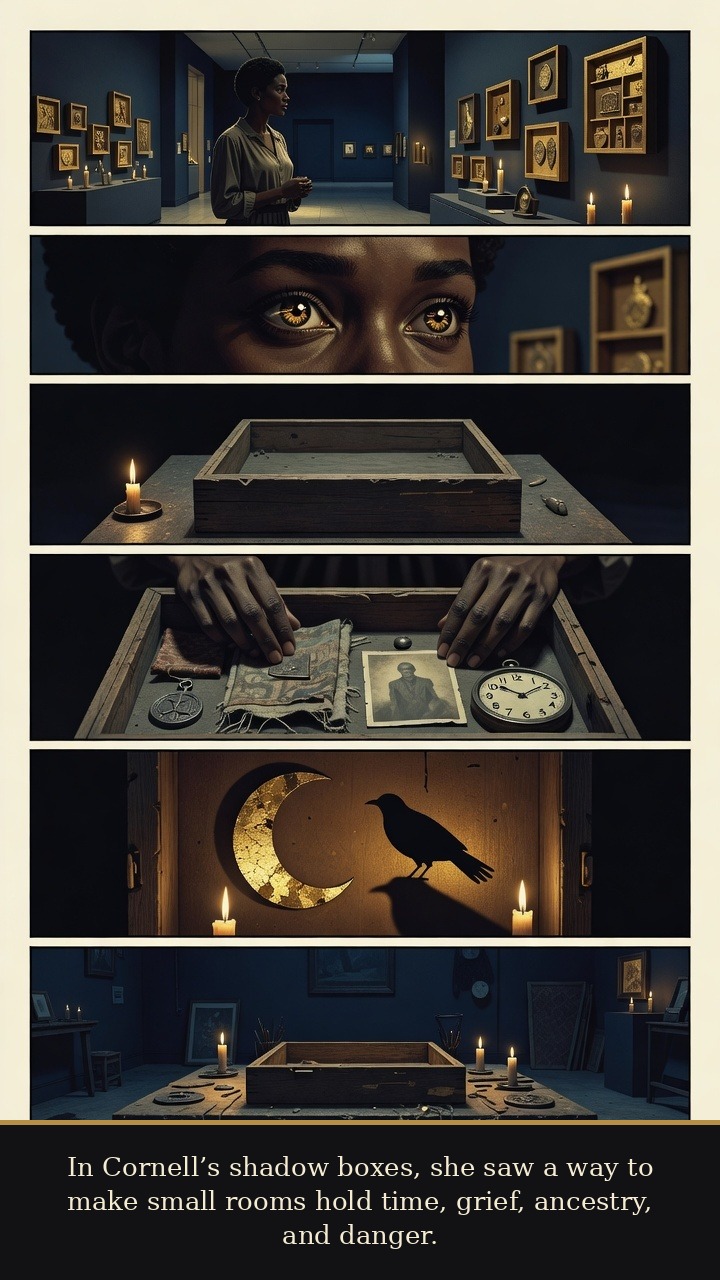
Page 2 of Betye Saar: Betye Saar: Liberation Box - A shadow-box encounter shows Saar how small rooms can hold time, grief, ancestry, and danger.
A shadow-box encounter shows Saar how small rooms can hold time, grief, ancestry, and danger.
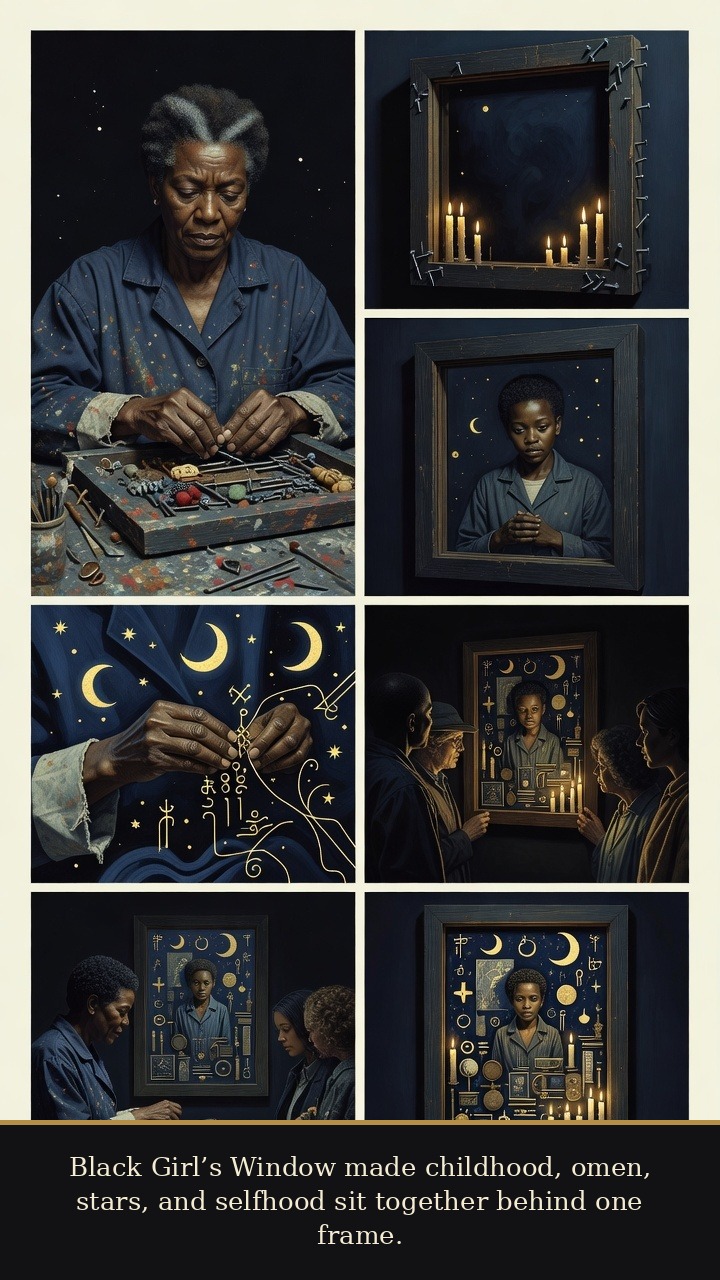
Page 3 of Betye Saar: Betye Saar: Liberation Box - Black Girl’s Window gathers childhood, omen, stars, and selfhood into one charged frame.
Black Girl’s Window gathers childhood, omen, stars, and selfhood into one charged frame.
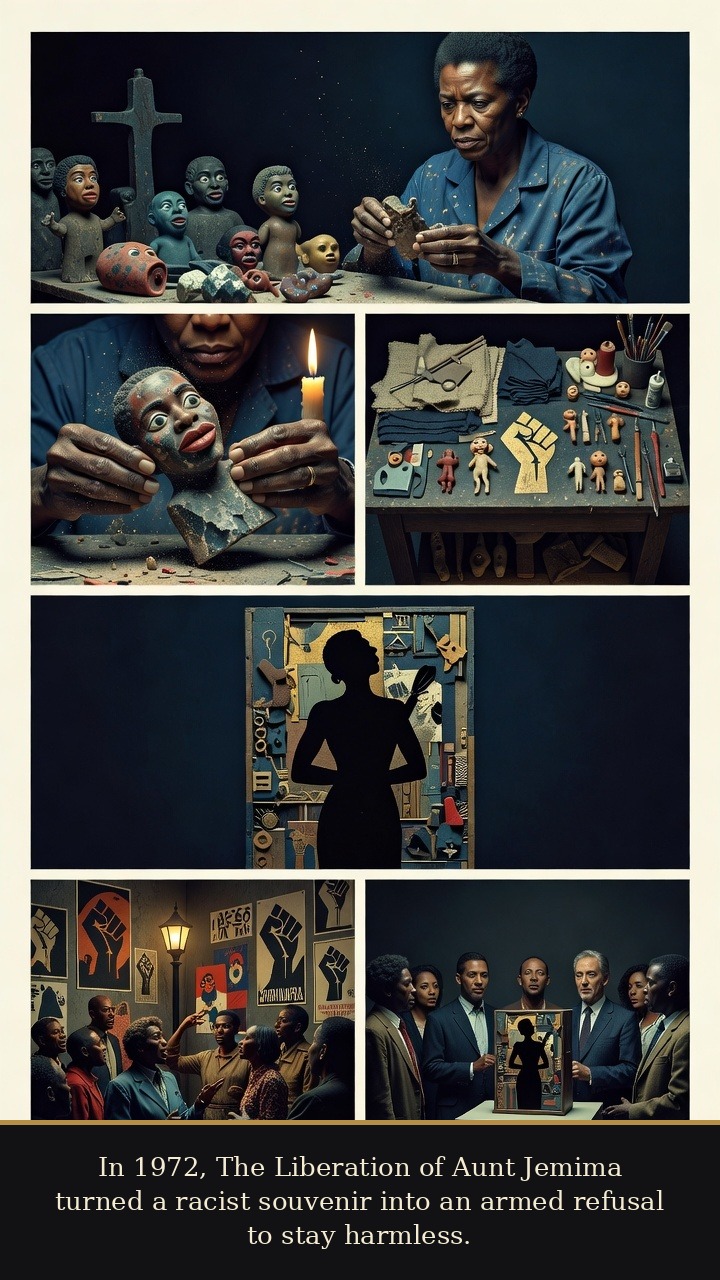
Page 4 of Betye Saar: Betye Saar: Liberation Box - The Liberation of Aunt Jemima transforms a racist souvenir into a defiant refusal to remain harmless.
The Liberation of Aunt Jemima transforms a racist souvenir into a defiant refusal to remain harmless.
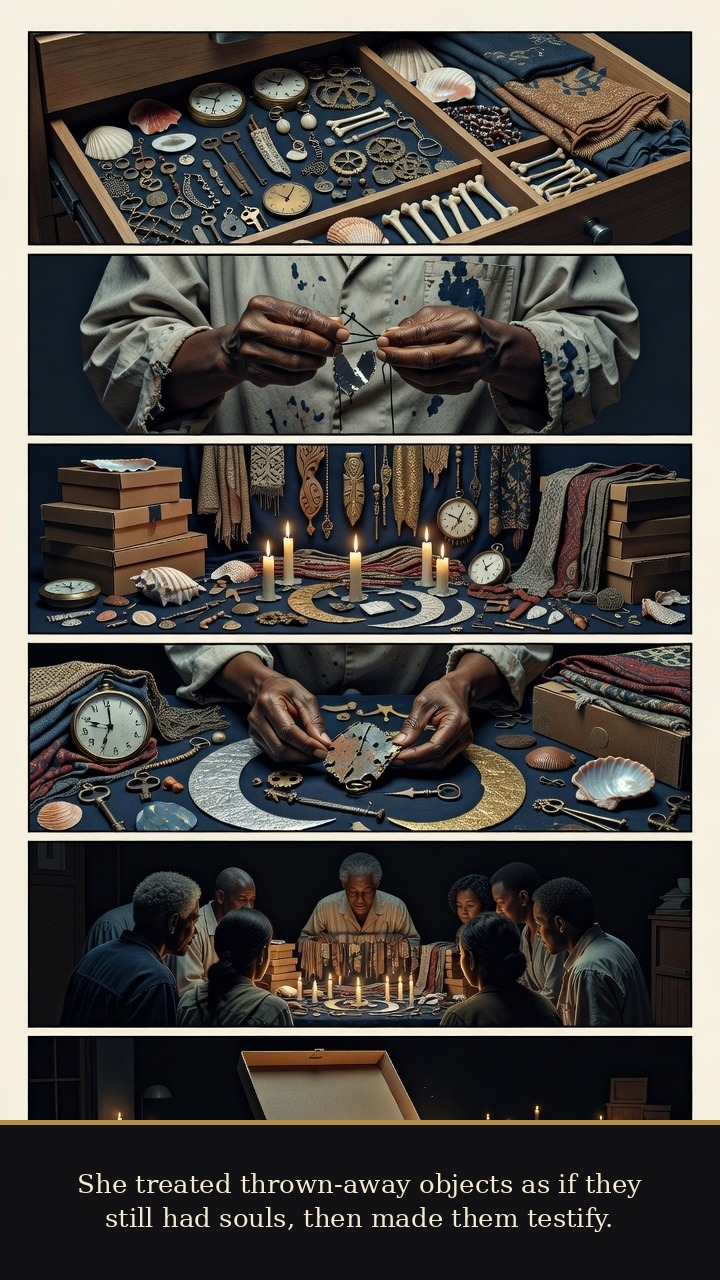
Page 5 of Betye Saar: Betye Saar: Liberation Box - Saar treats thrown-away objects as living witnesses and builds altars of testimony from them.
Saar treats thrown-away objects as living witnesses and builds altars of testimony from them.
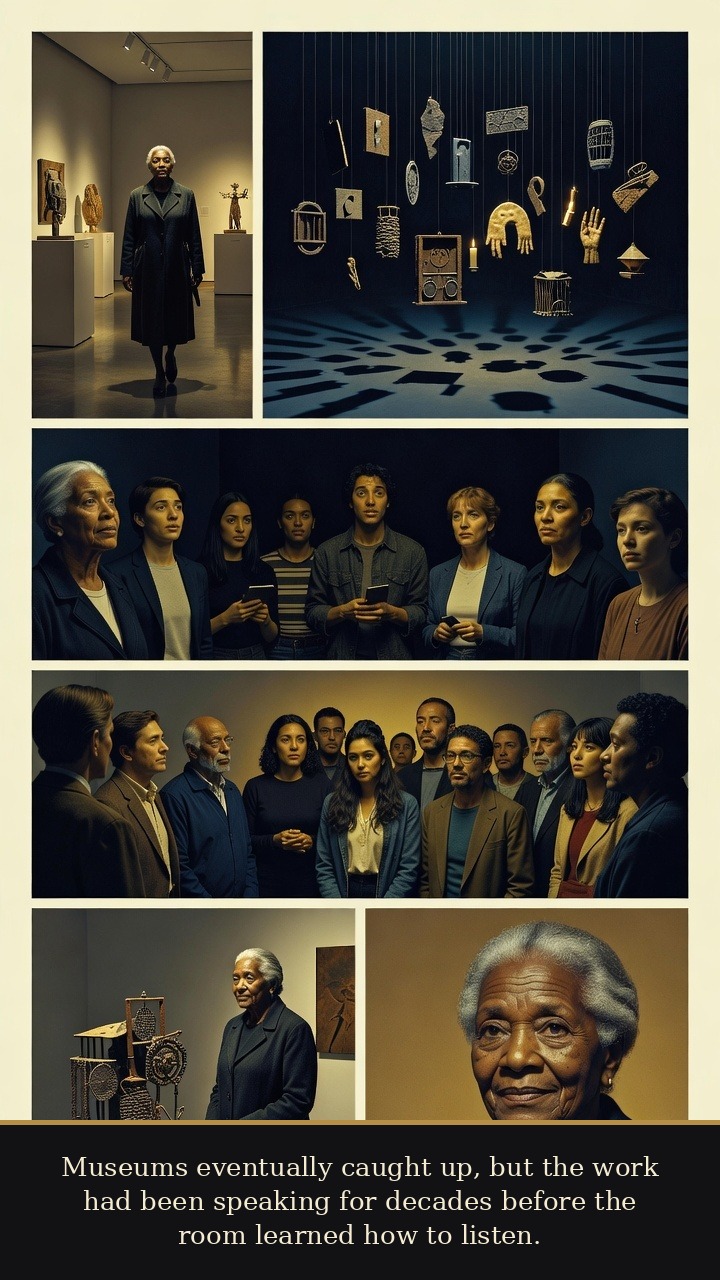
Page 6 of Betye Saar: Betye Saar: Liberation Box - Museums and younger artists eventually catch up to work that had been speaking for decades.
Museums and younger artists eventually catch up to work that had been speaking for decades.
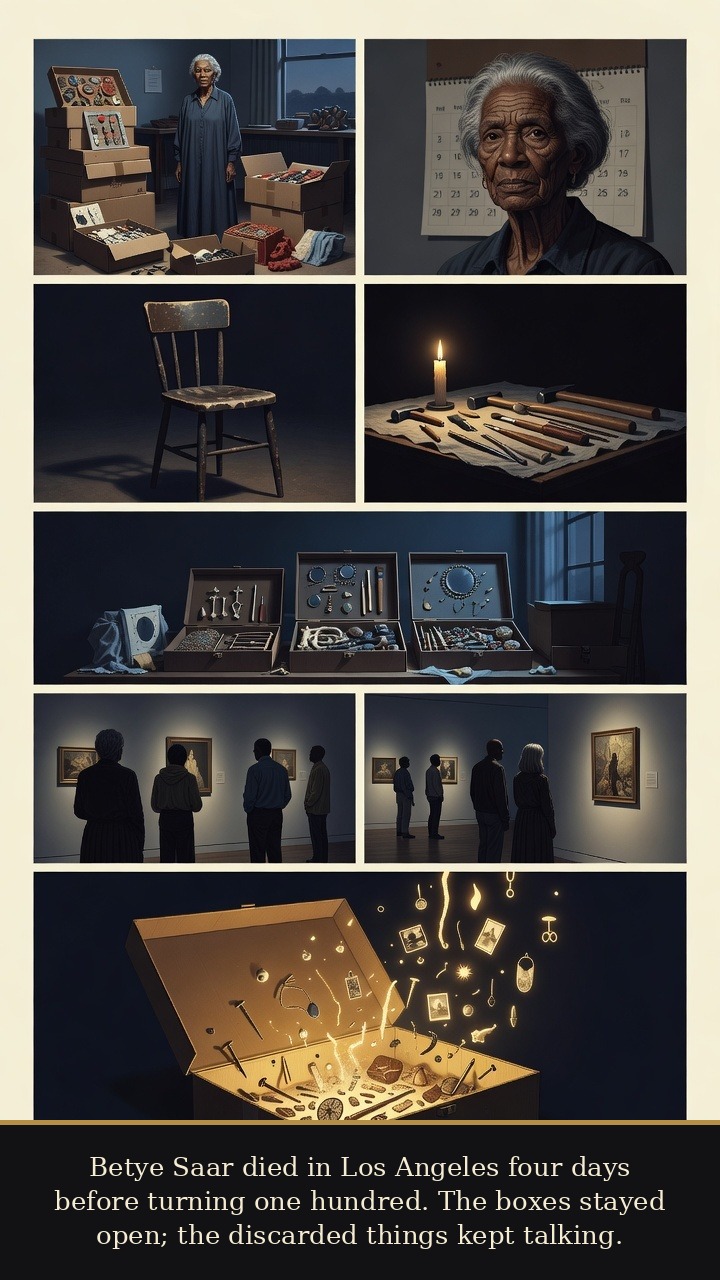
Page 7 of Betye Saar: Betye Saar: Liberation Box - Saar dies four days before turning one hundred, leaving boxes that keep memory and resistance open.
Saar dies four days before turning one hundred, leaving boxes that keep memory and resistance open.